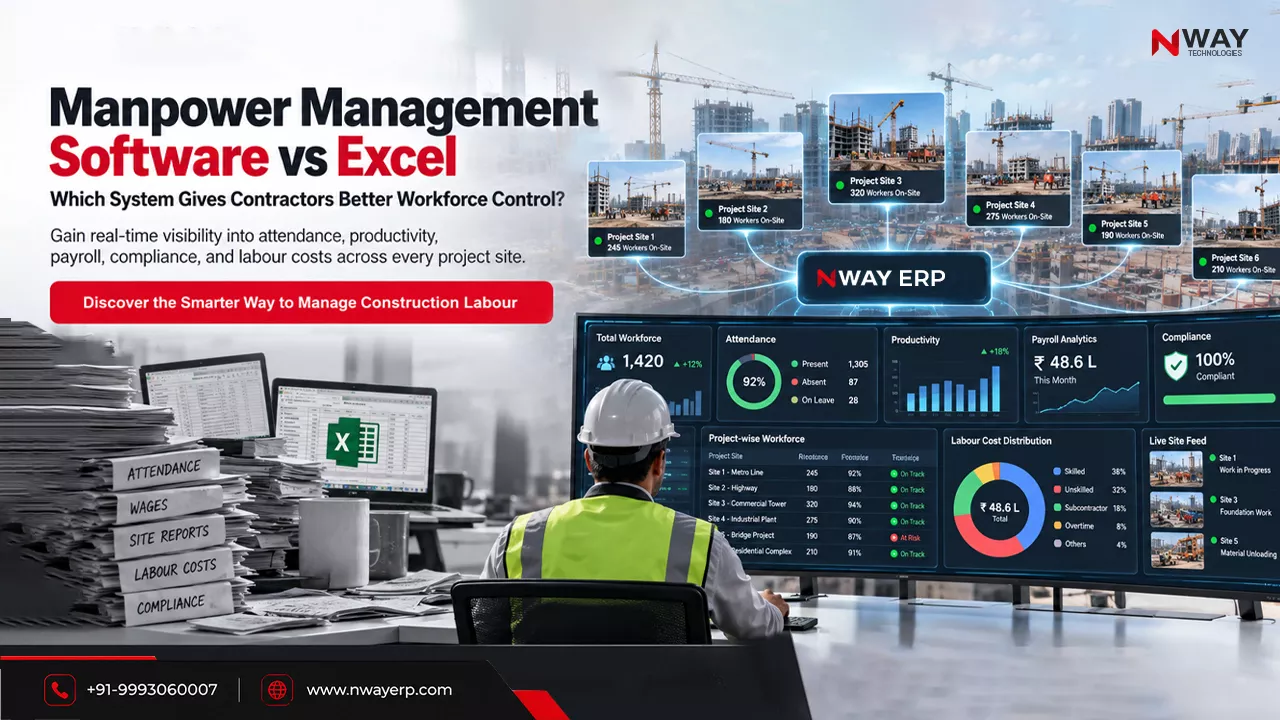
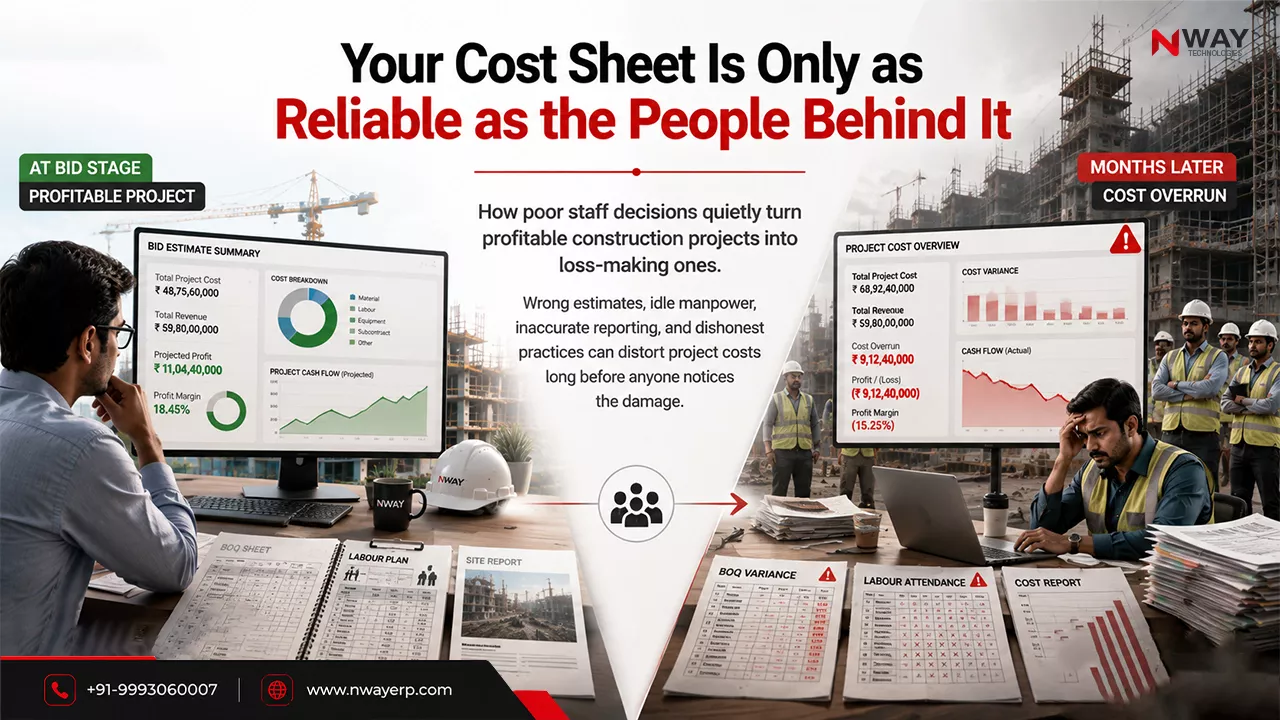
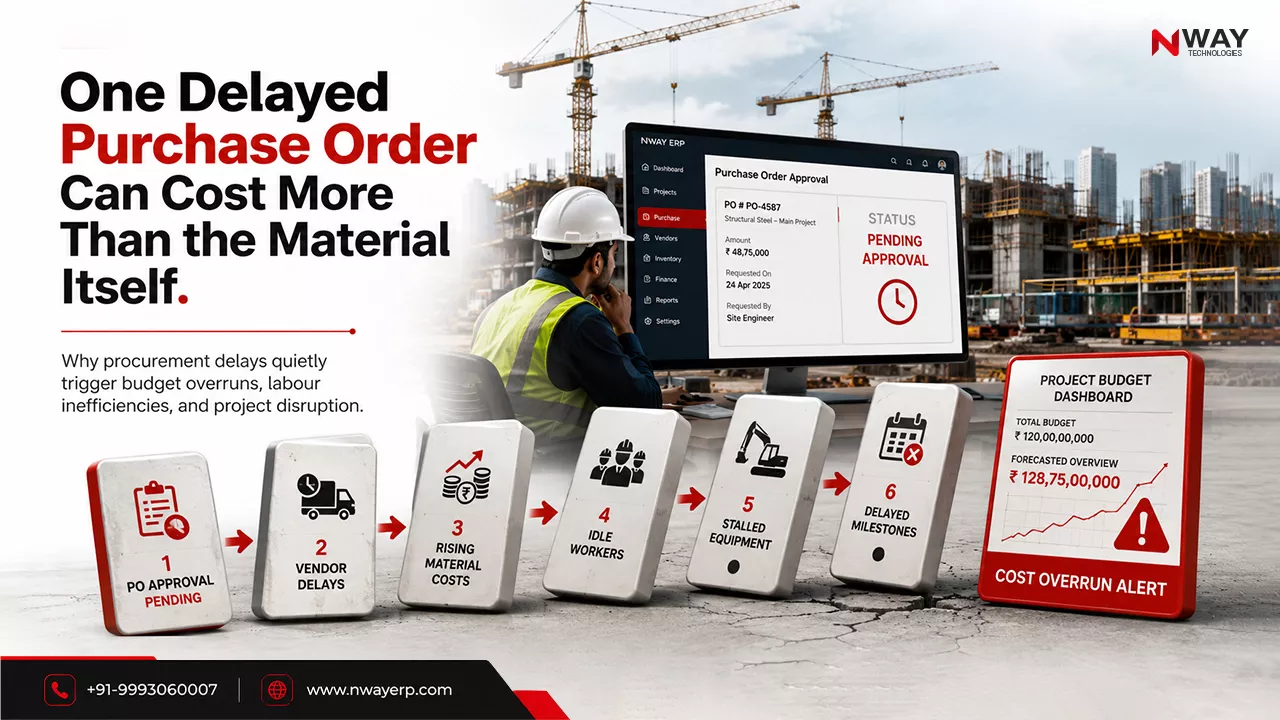
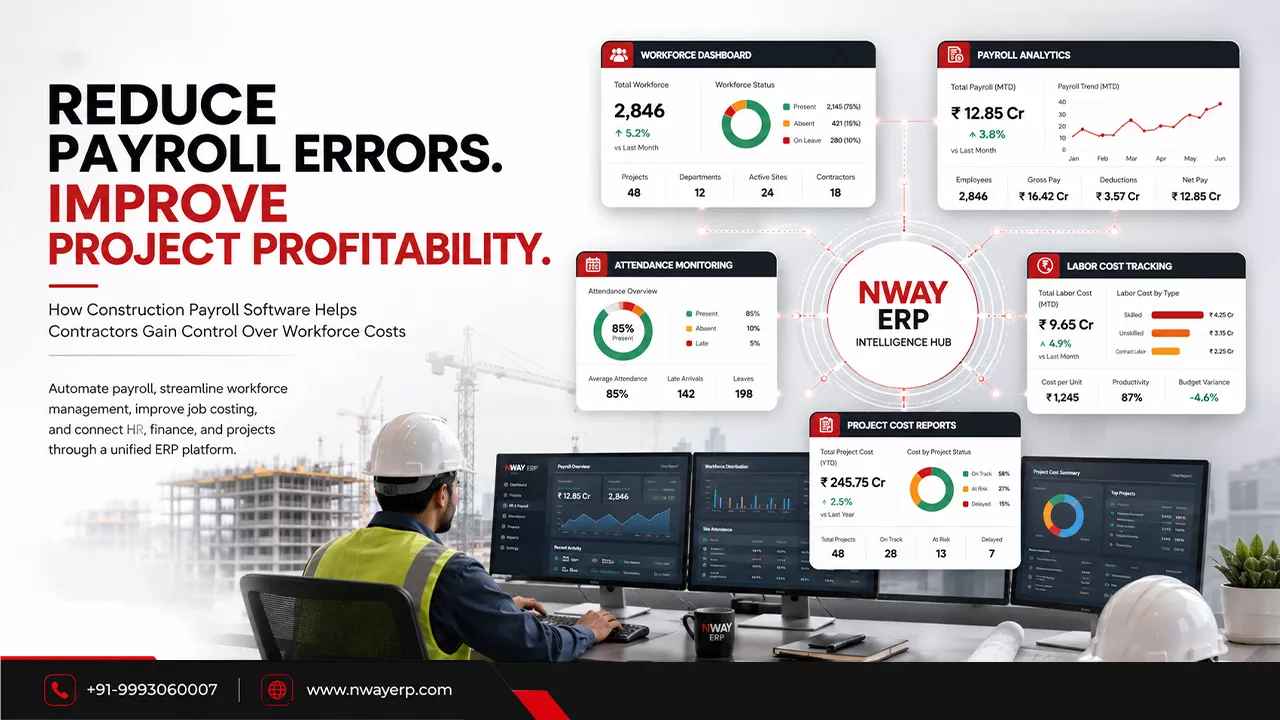
As populations grow, so does the need for safe and efficient roads. But building and maintaining highways is hard work. A single package can include excavation, grading, sub-base, bituminous or concrete paving, culverts, bridges, striping and road furniture, spread across many kilometres. Crews, equipment and materials move every day. With this many moving parts, delays and cost overruns are common. Estimates sit in spreadsheets, site progress arrives by WhatsApp, and billing is prepared weeks later. By the time a cost overrun shows up in the books, the money has already been spent. Heavy highway construction software fixes this by putting estimating, bidding, budgets, site reporting, equipment, procurement and billing on one platform. This guide explains what that software should do, how it controls cost on linear projects, and what road contractors should check before choosing a vendor. Overview of All-In-One Heavy Highway Construction Software All-in-one construction software brings many tools together on a single platform. For heavy highway contractors, that means project management, scheduling, estimating, procurement, equipment, billing and accounting all work from the same project data. This is different from using separate tools for each job. When the estimate, the site report and the invoice all sit in one

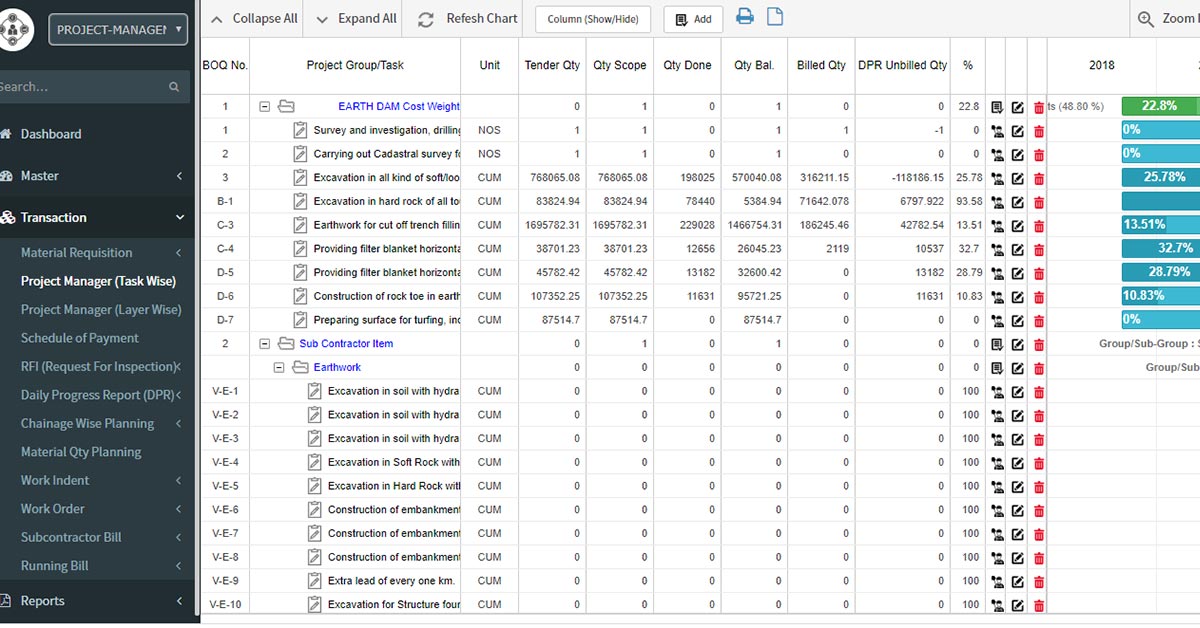 CPM (Construction Project Management) is the activity of managing construction projects. But when it comes to managing a construction project in contrast to other types of projects, the distinction is mostly that construction is target-based and manages resources over the life cycle. Apply various tools and methodologies to control scope, cost, time, quality, etc. CPM (Construction Project Management) is required for simple home building to large complex bridge construction, from engineering a dam build to a road project. Contractors manage the complete process cycle of a project build, often managing on-site to ensure safe, successful construction. Different process in Construction Construction Project Management Tools You need the right tool to manage construction Projects successfully. Nway ERP provides construction project planning, estimating, scheduling, vendor management, procurement & cost management in construction projects, and tons of features to work more effectively & efficiently. When you work with interactive construction ERP solution like NwayERP.com, construction project management become much easier. It provides you with a platform on which you can collaborate and provide a platform to your team and the tracking process become easier. NWAYERP has a construction management solution that has the following features. Cloud-Based Gantt Chart BOQ Material Consumed Daily Progress