Table of Contents:
- Introduction
- Why Labour Attendance Tracking Matters More Than Ever
- The Unique Challenge of Multi-Site Construction Workforce Management
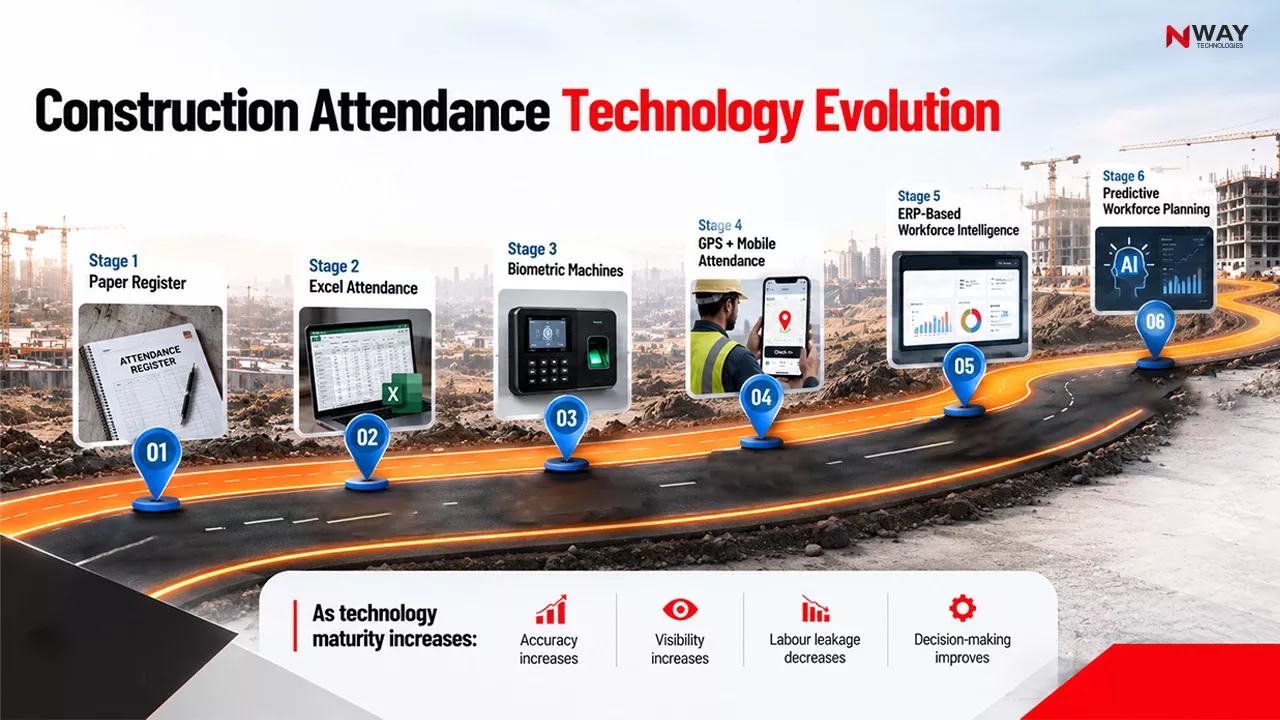
- The Evolution of Labour Attendance Management
- Strategic Comparison: Manual vs Digital Attendance Tracking
- Technologies Powering Modern Construction Site Attendance Tracking
- A Practical Framework for Tracking Labour Across Multiple Sites
- Best Practice Checklist for Construction Workforce Management
- Conclusion
Introduction
Imagine managing a construction company with 3,500 workers spread across twelve active projects.
Every morning begins with supervisors collecting attendance manually. By afternoon, workers have moved between sites. By evening, project managers are asking questions nobody can answer confidently:
- How many workers were actually present today?
- Which project is understaffed?
- Which subcontractor deployed fewer workers than committed?
- How much labour cost was incurred today?
- Why is productivity declining at Site 7?
Now multiply that uncertainty across an entire month.
For contractors, developers, EPC companies, and infrastructure firms, labour represents one of the largest controllable costs. Yet many organizations still rely on paper registers, spreadsheets, and verbal updates for workforce monitoring.
The problem is no longer attendance.
The problem is visibility.
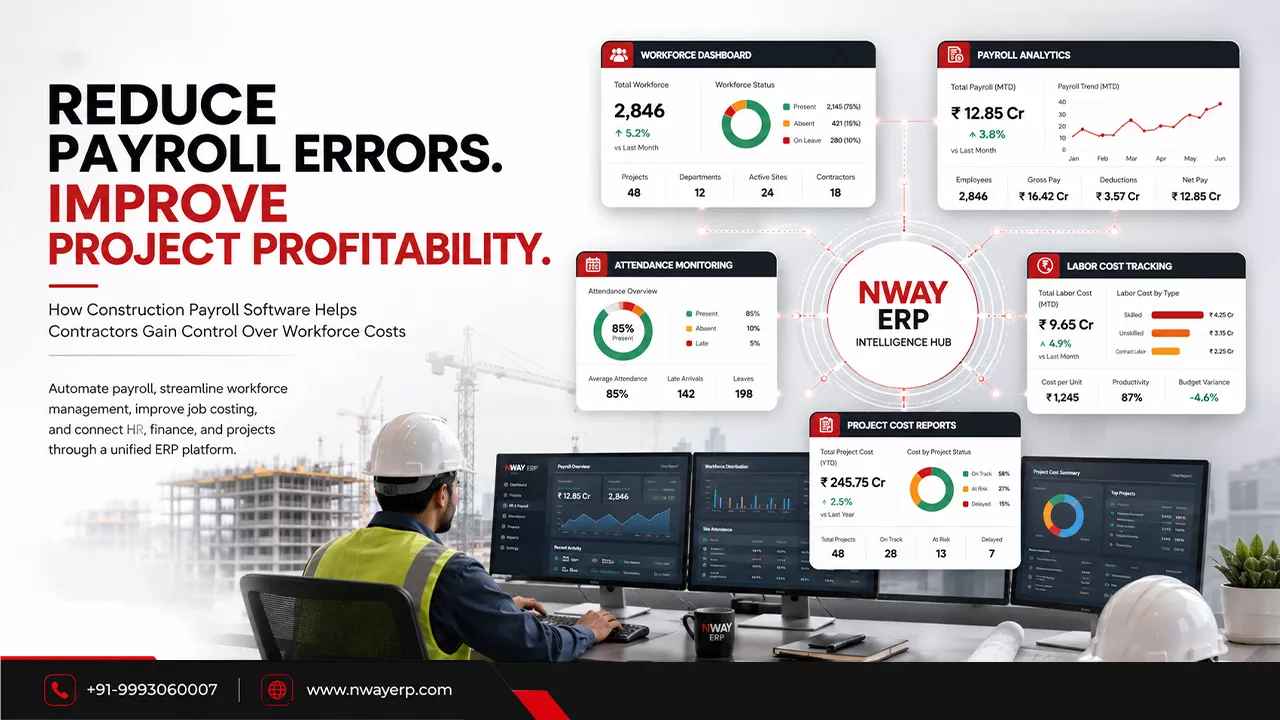
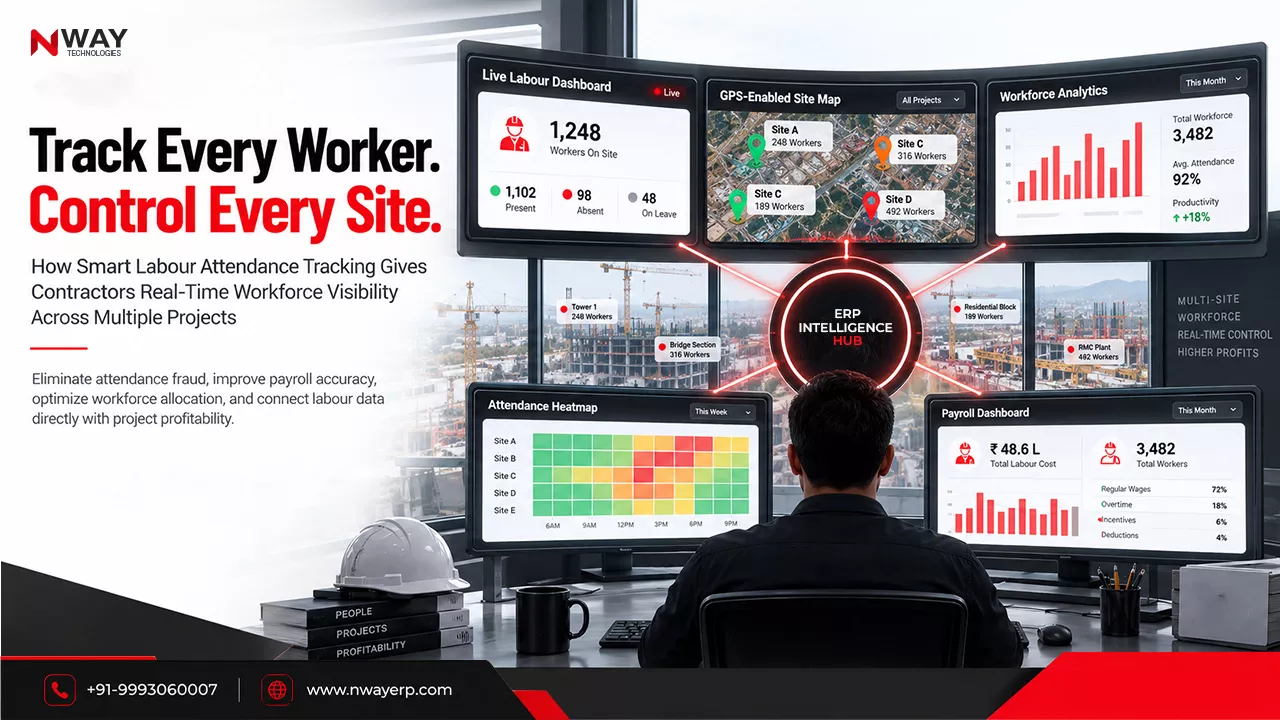
As construction projects become larger, geographically distributed, and schedule-driven, construction labour attendance tracking has evolved from a payroll requirement into a critical project control process.
Why Labour Attendance Tracking Matters More Than Ever
Labour Cost Is Directly Connected to Profitability
A contractor can accurately estimate material costs.
They can negotiate procurement rates.
They can control equipment utilization.
But if labour deployment remains invisible, project profitability becomes unpredictable.
Why It Matters
Labour attendance data affects:
- Payroll processing
- Project budgeting
- Resource planning
- Productivity analysis
- Contractor billing
- Compliance reporting
- Workforce forecasting
Without reliable construction worker attendance data, every downstream business process becomes less accurate.
Quick Insight
Attendance is no longer an HR activity. It is a project intelligence activity.

The Unique Challenge of Multi-Site Construction Workforce Management
Unlike traditional businesses, construction workers do not operate from a single location.
A worker may:
- Start the day at Site A
- Visit Site B for temporary work
- Report to Site C the next day
- Work under a subcontractor one week and a direct supervisor the next
This dynamic environment creates major challenges.
Common Challenges
1. Workforce Mobility
Workers frequently move between:
- Projects
- Work zones
- Contractors
- Shifts
Tracking movement manually becomes nearly impossible.
2. Attendance Fraud
Common issues include:
- Buddy punching
- Ghost workers
- Duplicate attendance entries
- Unauthorized overtime
3. Delayed Reporting
Many organizations receive attendance reports after the workday has ended.
Management decisions are therefore based on outdated information.
4. Payroll Disputes
Missing attendance records often result in:
- Wage disputes
- Overtime disagreements
- Contractor conflicts
5. Lack of Site Visibility
Project managers cannot instantly determine:
- Actual labour strength
- Workforce shortages
- Productivity concerns
- Attendance trends
The Evolution of Labour Attendance Management
Before: Manual Attendance Process
Typical Workflow
Worker Arrives ↓ Supervisor Marks Register ↓ Site Office Consolidates Records ↓ Excel Update ↓ Payroll Processing ↓ Error Checking ↓ Dispute Resolution
Hidden Risks
- Manual errors
- Lost records
- Delayed payroll
- Duplicate entries
- No real-time visibility
After: Digital Labour Attendance Management
Modern Workflow
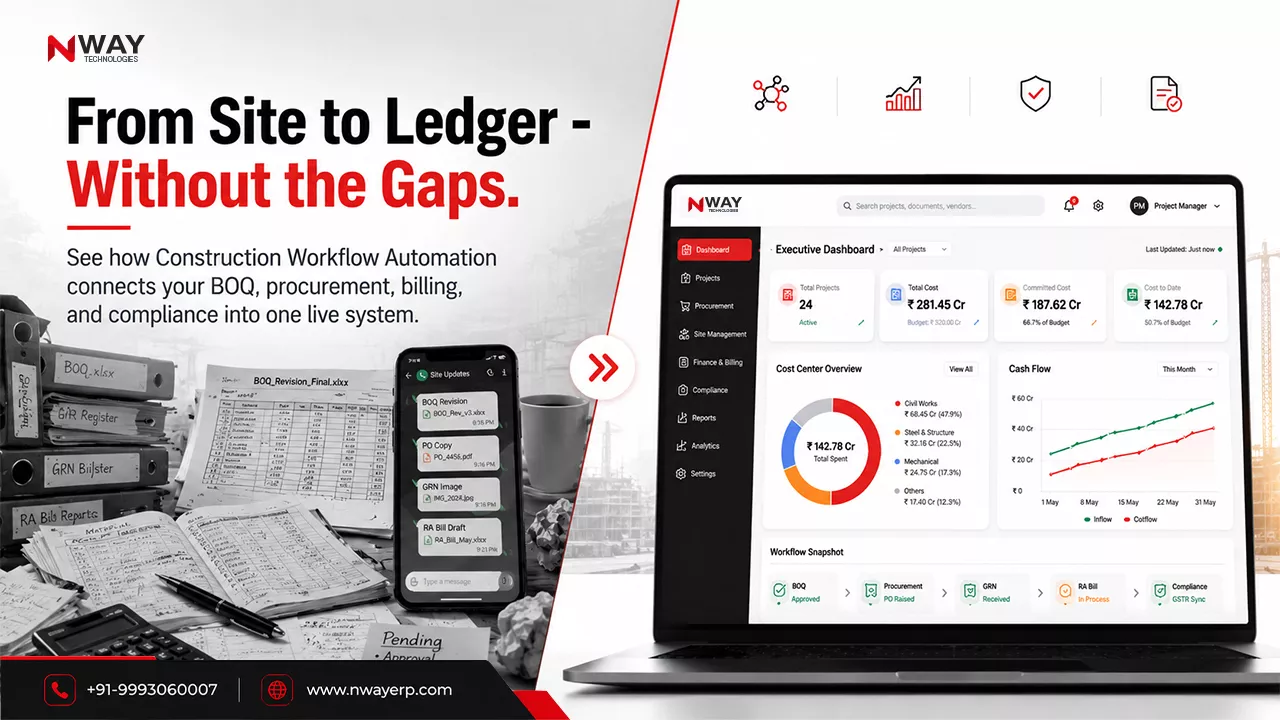
Worker Arrives ↓ Mobile/Biometric Check-In ↓ GPS Validation ↓ Real-Time Dashboard Update ↓ Automatic Payroll Sync ↓ Project Cost Allocation ↓ Management Notifications
Expected Outcomes
- Faster reporting
- Higher accuracy
- Improved compliance
- Better workforce utilization
Strategic Comparison: Manual vs Digital Attendance Tracking
| Criteria | Manual Process | Digital Attendance Management |
|---|---|---|
| Attendance Recording | Paper Register | Mobile/Biometric |
| Site Visibility | Delayed | Real Time |
| Payroll Accuracy | Moderate | High |
| Multi-Site Tracking | Difficult | Automated |
| Resource Planning | Reactive | Proactive |
| Labour Cost Allocation | Manual | Integrated |
| Compliance Readiness | Limited | Automated |
| Executive Dashboards | No | Yes |
Technologies Powering Modern Construction Site Attendance Tracking
GPS-Based Attendance Tracking
GPS-enabled attendance ensures workers check in from approved project locations.
Benefits
- Eliminates location fraud
- Tracks site-wise deployment
- Improves accountability
- Supports mobile workforce management
Biometric Attendance Systems
Biometrics verify worker identity before attendance is recorded.
Common Options
- Fingerprint scanners
- Face recognition
- Mobile facial verification
Best For
- Large projects
- Infrastructure sites
- Workforce-intensive operations
Mobile Attendance Applications
Mobile attendance has become the preferred approach for modern contractors.
Advantages
- No dedicated hardware requirement
- Easy deployment
- Multi-site scalability
- Real-time updates
Expert Tip
The most effective construction attendance management software combines GPS validation, mobile attendance, and payroll integration instead of relying on a single attendance method.
A Practical Framework for Tracking Labour Across Multiple Sites
Step 1: Standardize Attendance Capture
Every site should use the same attendance process.
Avoid:
- Registers at one site
- Biometric machines at another
- Excel uploads elsewhere
Use one standardized attendance system.
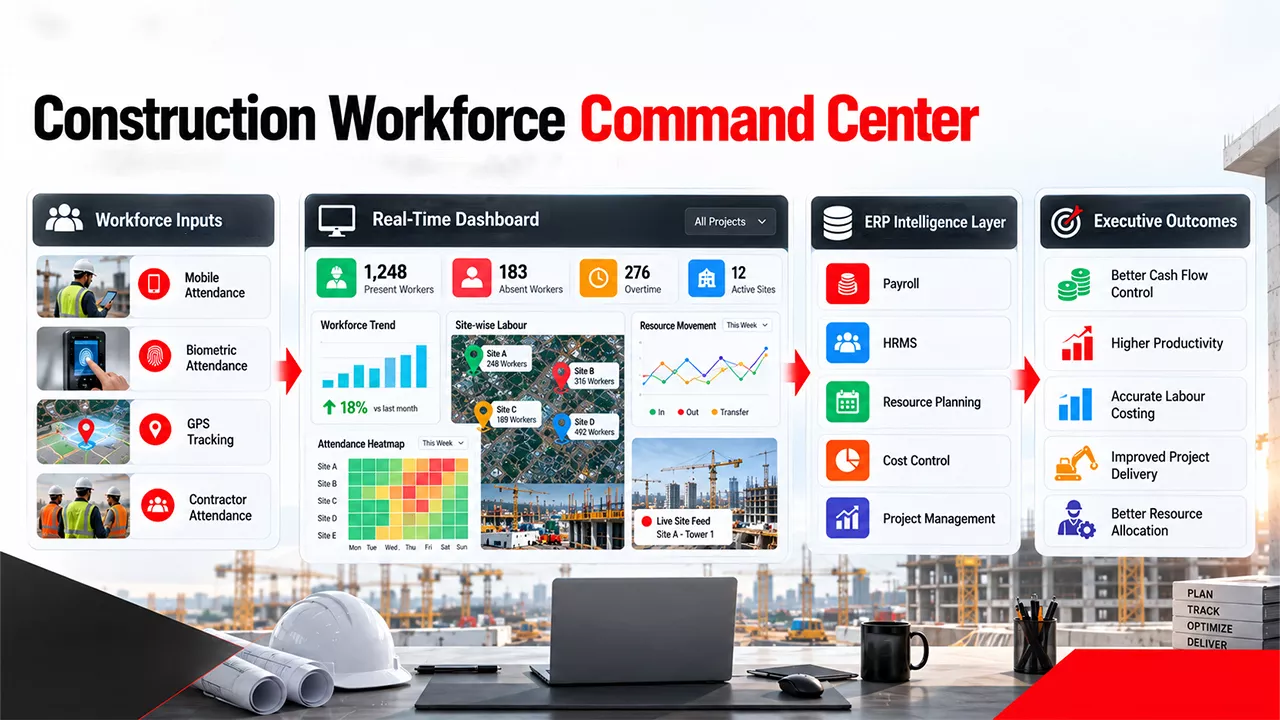
Step 2: Create Site-Wise Workforce Visibility
Each project should display:
- Workers present today
- Absent workers
- Subcontractor manpower
- Shift allocation
- Overtime hours
Step 3: Automate Worker Allocation Tracking
Project managers should instantly know:
- Available labour
- Workers transferred between sites
- Resource shortages
- Productivity gaps
Step 4: Connect Attendance With Payroll
Attendance should automatically drive:
- Wage calculations
- Overtime calculations
- Contractor payments
- Payroll processing
Step 5: Link Attendance to Project Costing
This is where true business value emerges.
Attendance data should flow directly into:
- Project budgets
- Labour cost reports
- Profitability analysis
- Cash flow forecasting
Mini Case Scenario
The Eight-Site EPC Contractor
An EPC contractor was managing:
- 8 active projects
- 2,400 workers
- 35 subcontractors
Before digitization:
- Attendance reports arrived daily
- Payroll verification took days
- Workforce shortages were discovered late
After implementing centralized labour attendance tracking:
- Workforce visibility became immediate
- Payroll disputes reduced significantly
- Resource allocation decisions improved
- Management could monitor site-wise manpower from a single dashboard
The improvement wasn’t merely operational.
It improved decision-making speed across the organization.(See: HR & Payroll Management Software )
Best Practice Checklist for Construction Workforce Management
Attendance Management Checklist
- Standardize attendance processes across sites
- Implement GPS validation
- Use biometric verification where practical
- Enable mobile attendance capture
- Track subcontractor workforce separately
- Integrate attendance with payroll
- Connect attendance to project costing
- Create real-time workforce dashboards
- Monitor overtime trends
- Review site-wise productivity regularly
Common Mistake
Many contractors digitize attendance but leave payroll, project costing, and resource management disconnected.
This creates digital data silos instead of true workforce intelligence.
Conclusion
Construction companies do not struggle with attendance because workers fail to report to work. They struggle because workforce information is fragmented, delayed, and disconnected from project decision-making.
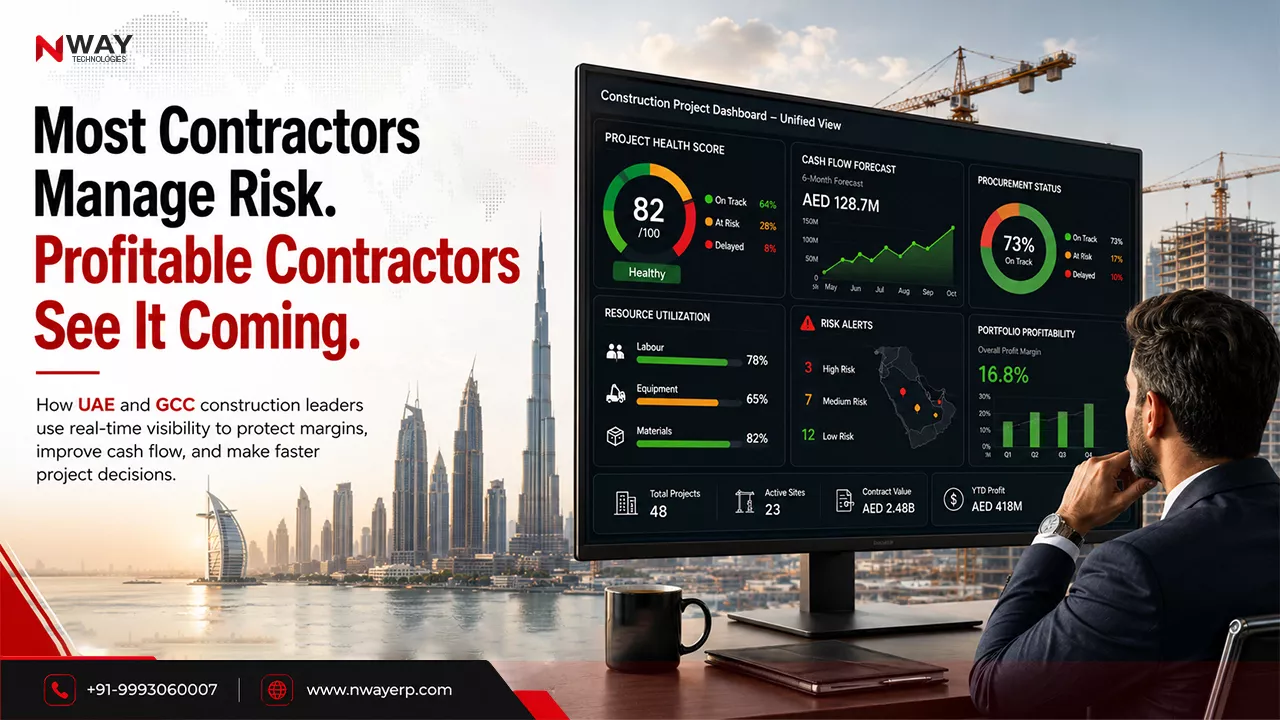
As projects become larger and more geographically distributed across India, the UAE, Saudi Arabia, and the wider GCC region, labour attendance tracking has become a foundational component of modern construction operations.
Contractors that adopt real-time construction site attendance tracking gain more than payroll accuracy. They gain workforce visibility, cost control, operational agility, and the ability to make better project decisions faster.
The future of construction workforce management is not about tracking attendance.
It is about turning attendance data into business intelligence.