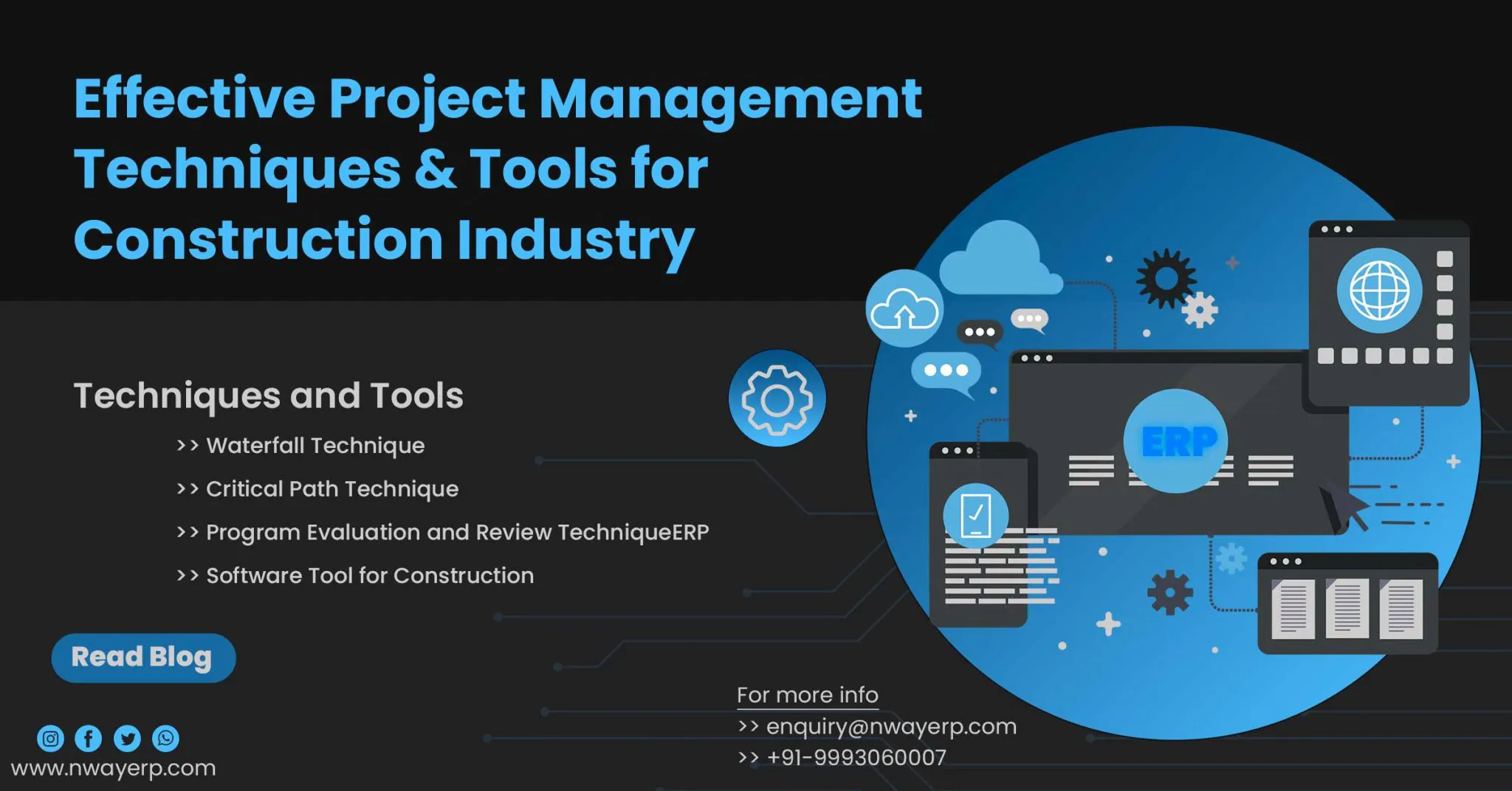
What are Effective Project Management Techniques and Tools for Construction Industry

Effective Project Management Tools

Project management in the construction industry is a challenging task because it is not easy to manage the collaboration between all the departments and the workforce to accomplish a particular construction project activity. All the project management techniques and tools take management skills to apply in a system to make tasks easier, achievable, and more realistic.

Techniques and tools are very needful for construction so that projects can be completed without spending much revenue and workforce because if we spend more time and money on construction project activities without considering proper technology and tools, we will get into serious trouble. So today we will learn what are the effective project management techniques & tools for the construction industry to complete the project successfully.

Project Management Techniques and Tools

Waterfall technique

The traditional, sequential approach — each phase (design, procurement, execution, handover) must finish before the next begins. Best suited to projects with fixed scope and few late-stage changes, like standard residential builds or government infrastructure with locked specifications.

Best for: Fixed-scope projects, regulatory/government contracts.

Limitation: Little room to adapt once a phase is signed off.

Critical Path Technique

CPM maps every task and its dependencies to find the longest unbroken chain of activities — the “critical path” — which determines the minimum possible project duration. Any delay on a critical-path task delays the entire project; tasks off that path have float (slack) and can shift without affecting the deadline.

Best for: Multi-contractor projects with complex task dependencies

Limitation: Needs accurate task-duration estimates to be reliable — garbage in, garbage out

Program Evaluation and Review Technique (PERT)

PERT is CPM’s cousin for projects where task durations are uncertain. Instead of one estimate per task, it uses optimistic, pessimistic, and most-likely time estimates to calculate a weighted average — visualized as a network chart. It’s the standard choice for long-duration, high-uncertainty projects like infrastructure and highway construction.

Best for: Long-term projects with unpredictable variables (weather, land acquisition, approvals)

Lean Construction

Adapted from Lean manufacturing, this technique focuses on eliminating waste — of material, time, and labor — through continuous improvement and just-in-time delivery of materials to site. It pairs well with the Last Planner System (below) for weekly work planning.

Best for: Projects where material wastage and idle labor are eating into margins

Last Planner System (LPS)

A collaborative scheduling technique where the people actually doing the work — site supervisors, foremen — commit to weekly task plans instead of a single top-down master schedule. It surfaces blockers early and dramatically improves schedule reliability on-site.

Best for: Large sites with multiple subcontractors working in parallel

Agile / Scrum for Construction

Borrowed from software development, Agile breaks work into short, reviewable cycles (“sprints”) rather than one long linear plan. In construction, this looks like phased design-build delivery or fast-track construction, where design and execution overlap. It suits projects where requirements evolve — interiors, fit-outs, real estate developments responding to buyer feedback.

Best for: Fast-track and design-build projects, real estate fit-outs

Earned Value Management (EVM)

EVM measures project performance by comparing planned value, earned value, and actual cost — giving a real-time answer to “are we ahead or behind, and by how much money.” It’s the technique finance-conscious project owners lean on most, because it ties schedule performance directly to budget performance.

Best for: Projects with tight budget oversight and multiple stakeholders demanding cost visibility

Conclusion

In conclusion, efficient approaches and technologies must be used to manage departmental collaboration and successfully finish projects on schedule and within budget in the construction business. Some of the most often used project management methods in the construction industry are the Waterfall method, Critical Path technique, and Project Evaluation and Review technique (PERT). Additionally, the use of ERP software for construction project management has grown in popularity as a result of its capacity to integrate different software systems into a single, all-encompassing solution, enabling effective management of a project’s entire life cycle. Professionals in the construction industry can optimise project performance, cut costs, and boost efficiency by using these methods and equipment.

FAQs
Which project management technique is best for small construction firms?

Waterfall is usually the simplest starting point for small, single-site firms with fixed scope — it needs the least specialized planning skill. As project complexity grows (multiple contractors, phases), CPM becomes more valuable.

Is ERP software better than standalone project management tools for construction?

For Indian construction companies specifically, yes in most cases — standalone PM tools like Procore or MS Project handle scheduling well but don’t cover GST billing, labour compliance, or machinery tracking natively, which means running 2–3 disconnected systems. A construction ERP consolidates project management with finance, purchase, and labour in one platform.

What is the difference between CPM and PERT?

CPM uses single, fixed time estimates for each task to calculate the critical path. PERT uses three estimates (optimistic, pessimistic, most likely) per task, making it better suited to projects where durations are uncertain, like infrastructure builds dependent on weather or approvals.

Can Agile project management work for construction?

Yes, particularly for fast-track and design-build projects, or real estate developments where design continues to evolve during construction. It’s less suited to fixed-scope government or regulatory projects, where Waterfall or CPM fit better.

What tools do construction project managers use daily?

Most site teams use a combination of a scheduling tool (Gantt/CPM-based), a budget/cost tracking system, and increasingly a single ERP platform that combines both with labour, material, and machinery tracking — reducing the need to reconcile data across multiple disconnected tools


Manage Your Construction Projects Better

See how NWAY can help you manage project costs, materials, labour, machinery and billing in one place.

Recent Blogs
BOQ vs Budget vs Estimate: What's the Difference?
BOQ vs Budget vs Estimate: What's the Difference?...
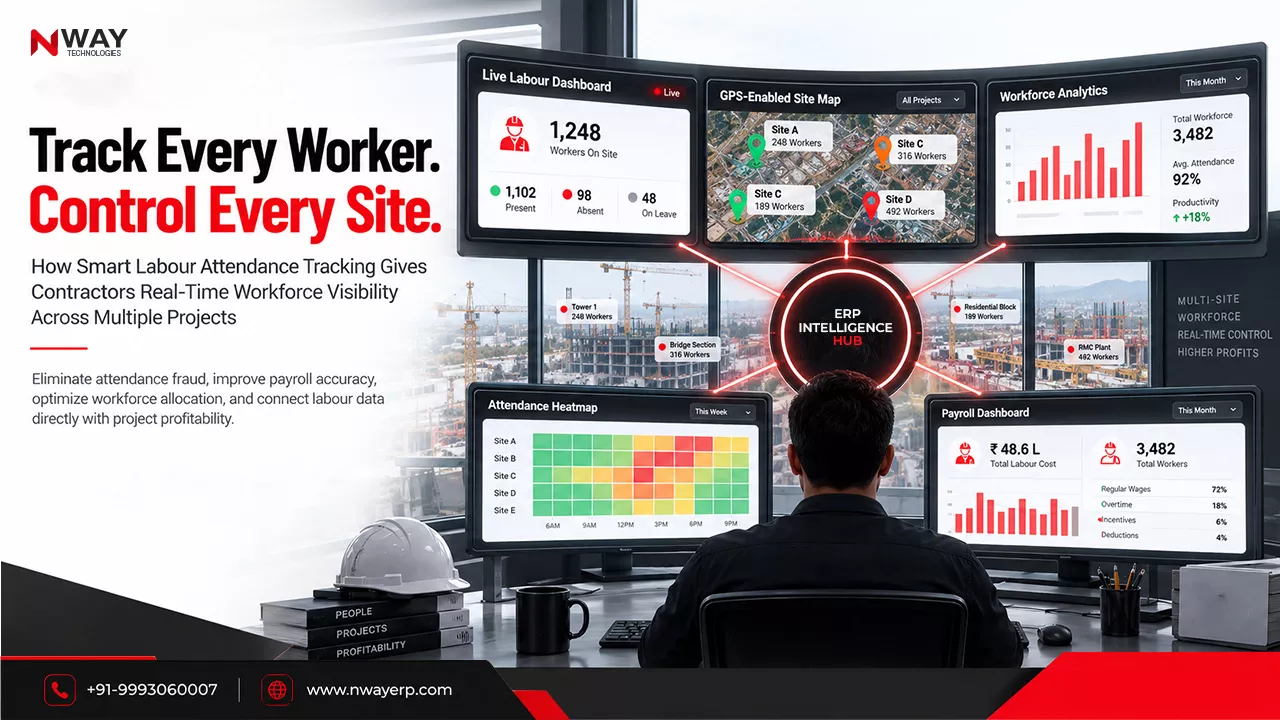
How to Track Labour Attendance Across Multiple Construction Sites
How to Track Labour Attendance Across Multiple Construction Sites...
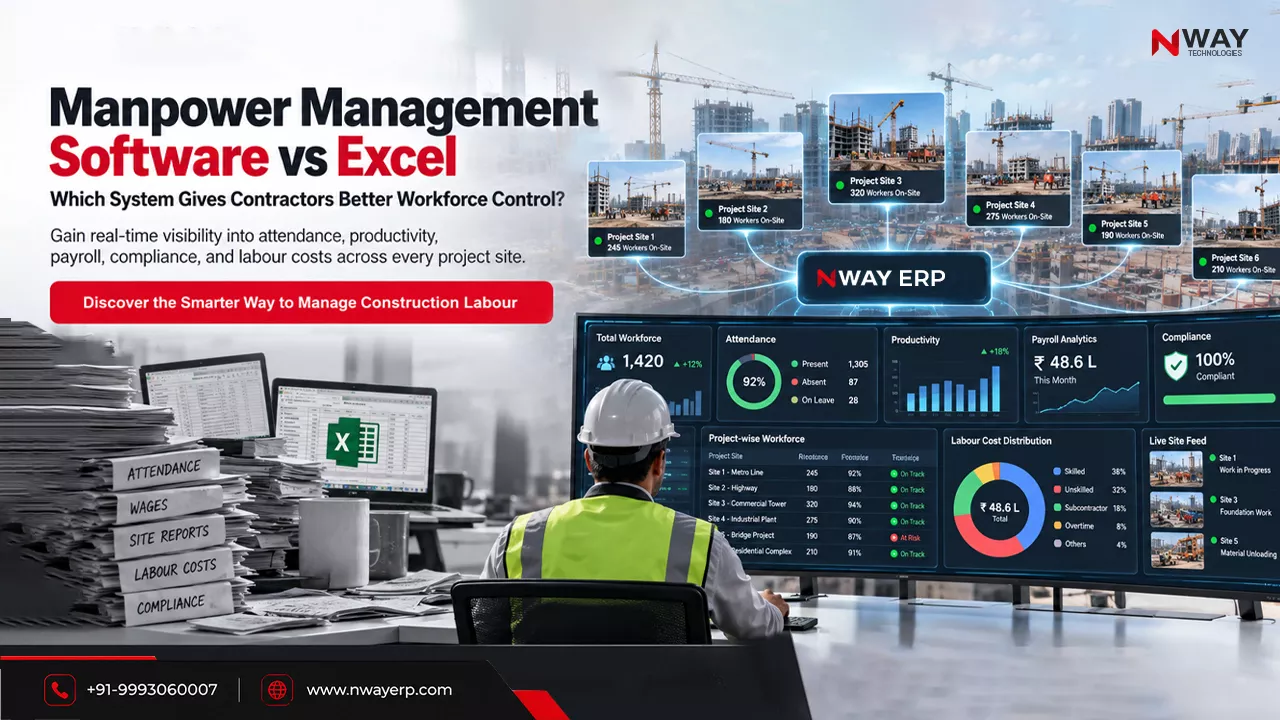
Manpower Management Software vs Excel: Which Is Better for Contractors?
Manpower Management Software vs Excel: Which Is Better for Contractors?...
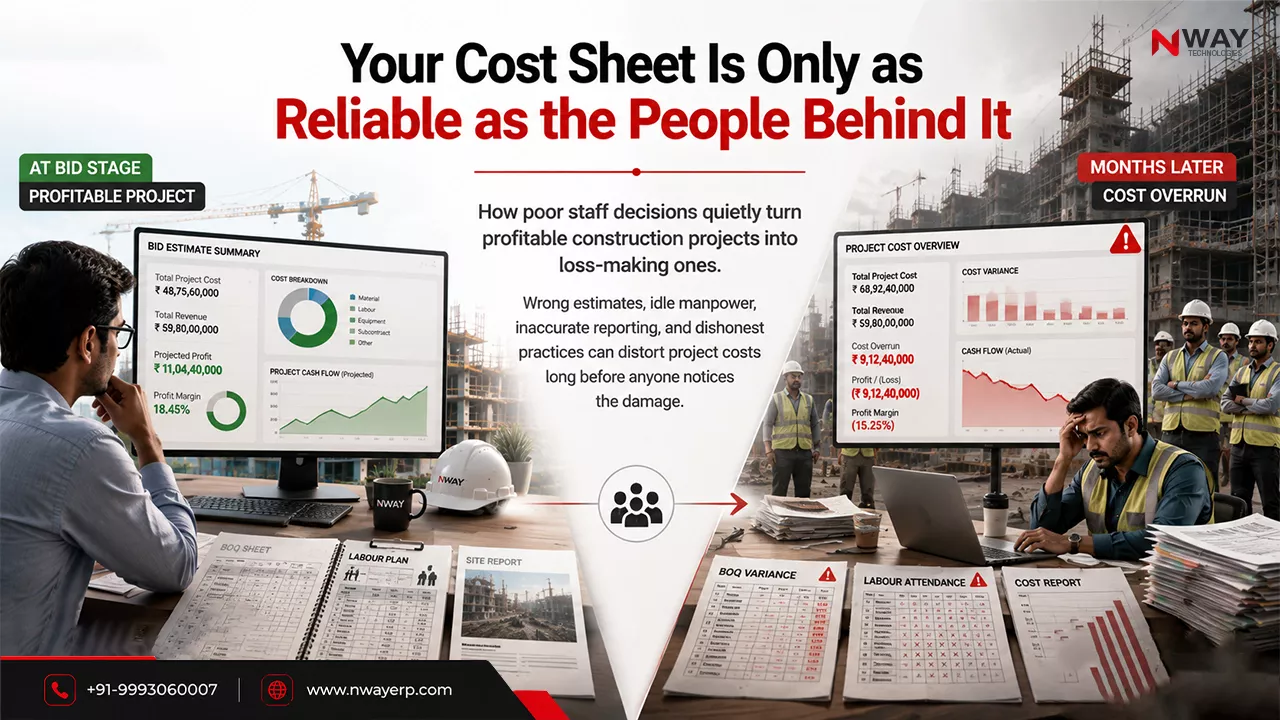
How Poor Staff Decisions Lead to Wrong Construction Cost Analysis
How Poor Staff Decisions Lead to Wrong Construction Cost Analysis...
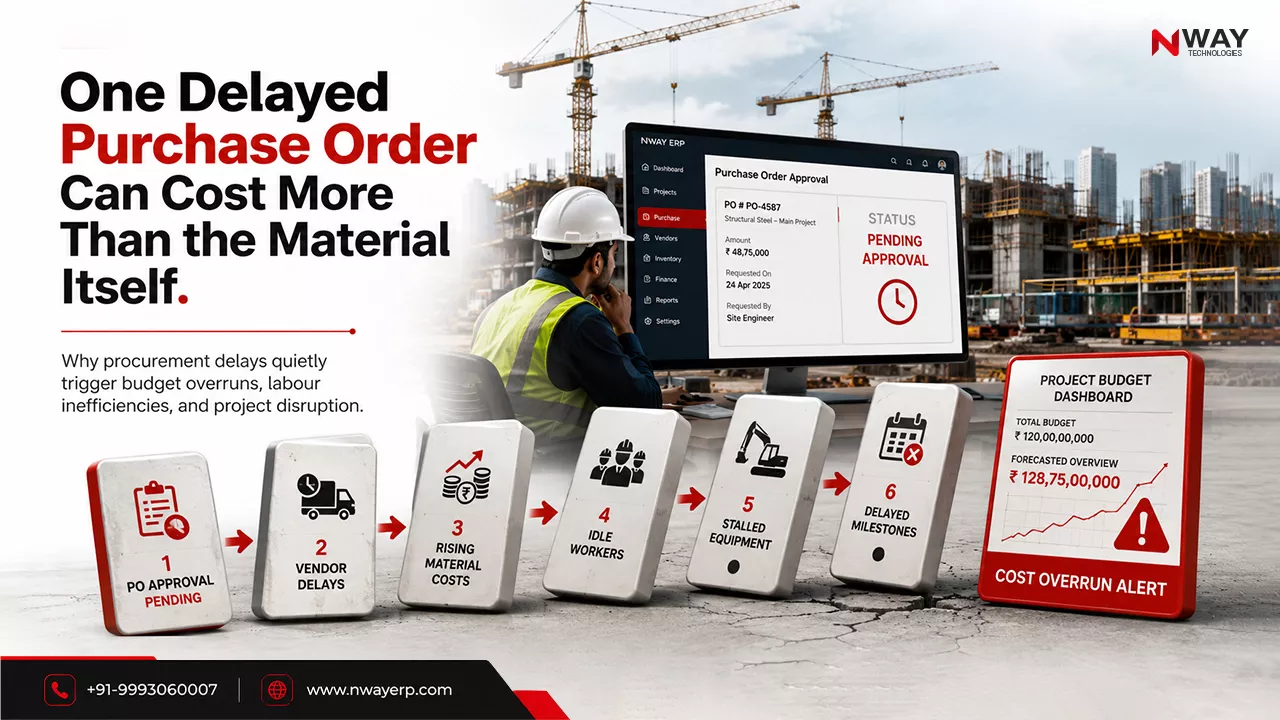
Procurement Delays Are a Chain Reaction: How One Late Purchase Order Wrecks Your Whole Budget
Procurement Delays Are a Chain Reaction: How One Late Purchase Order Wrecks Your...
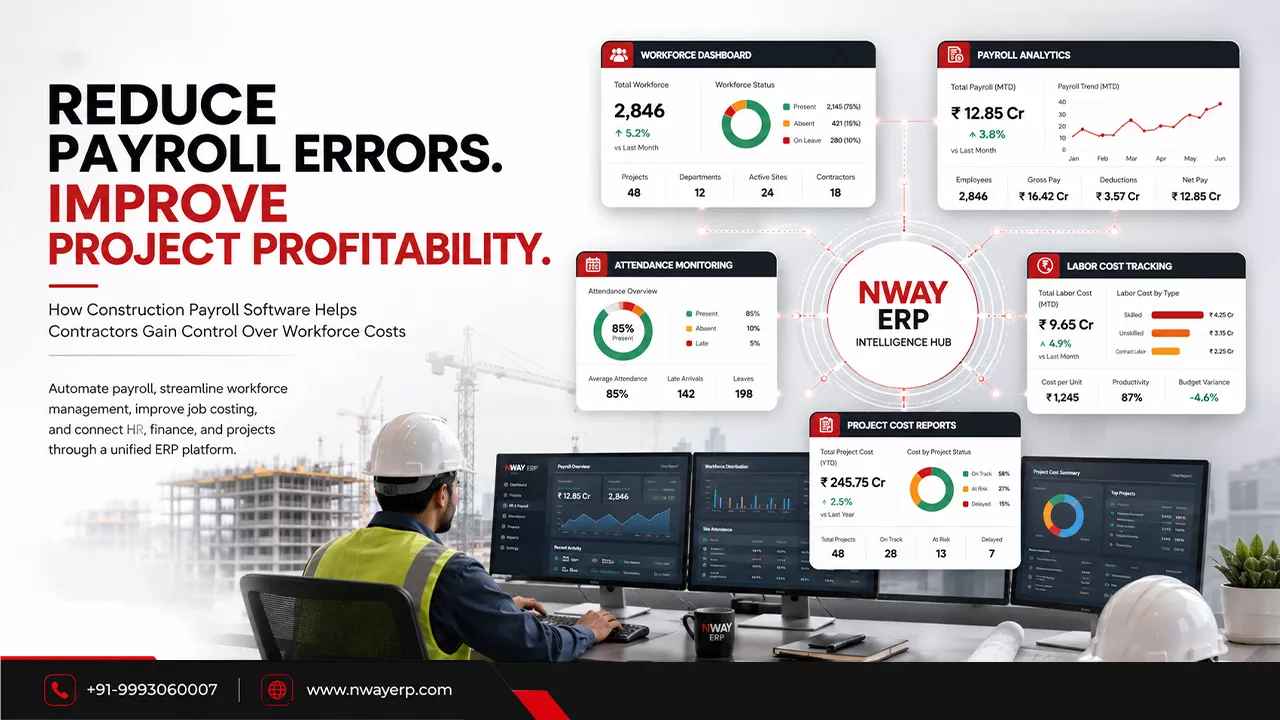
How to Reduce Payroll Errors in Construction Projects
How to Reduce Payroll Errors in Construction Projects...
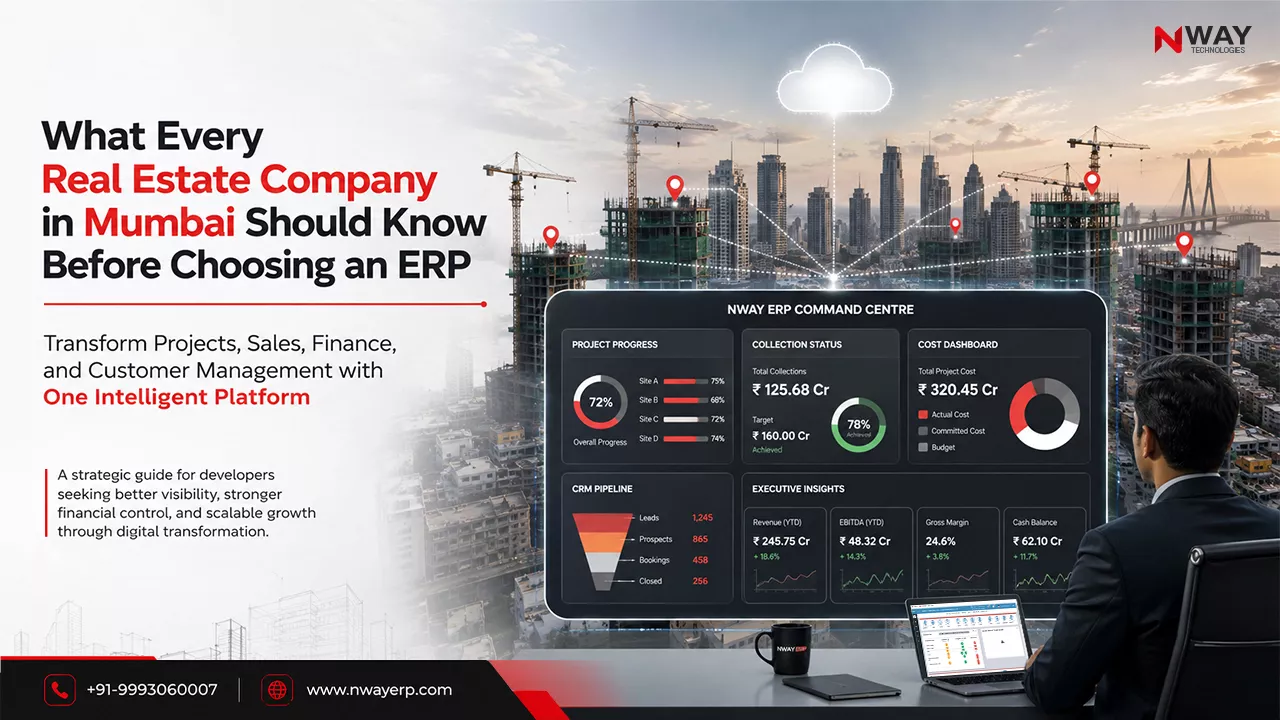
What Every Real Estate Company in Mumbai Should Know Before Choosing an ERP
What Every Real Estate Company in Mumbai Should Know Before Choosing an ERP...
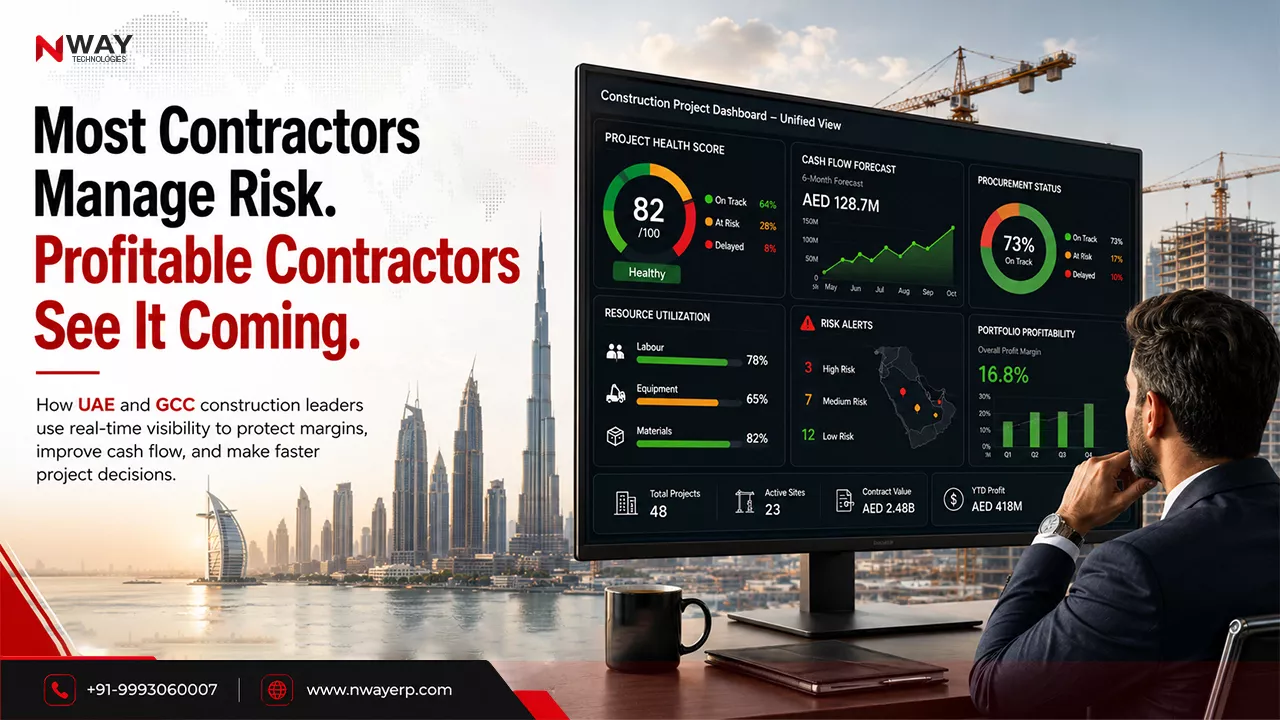
Why Profitable UAE Construction Companies Prioritise Risk Visibility Over Risk Management
Why Profitable UAE Construction Companies Prioritise Risk Visibility Over Risk M...
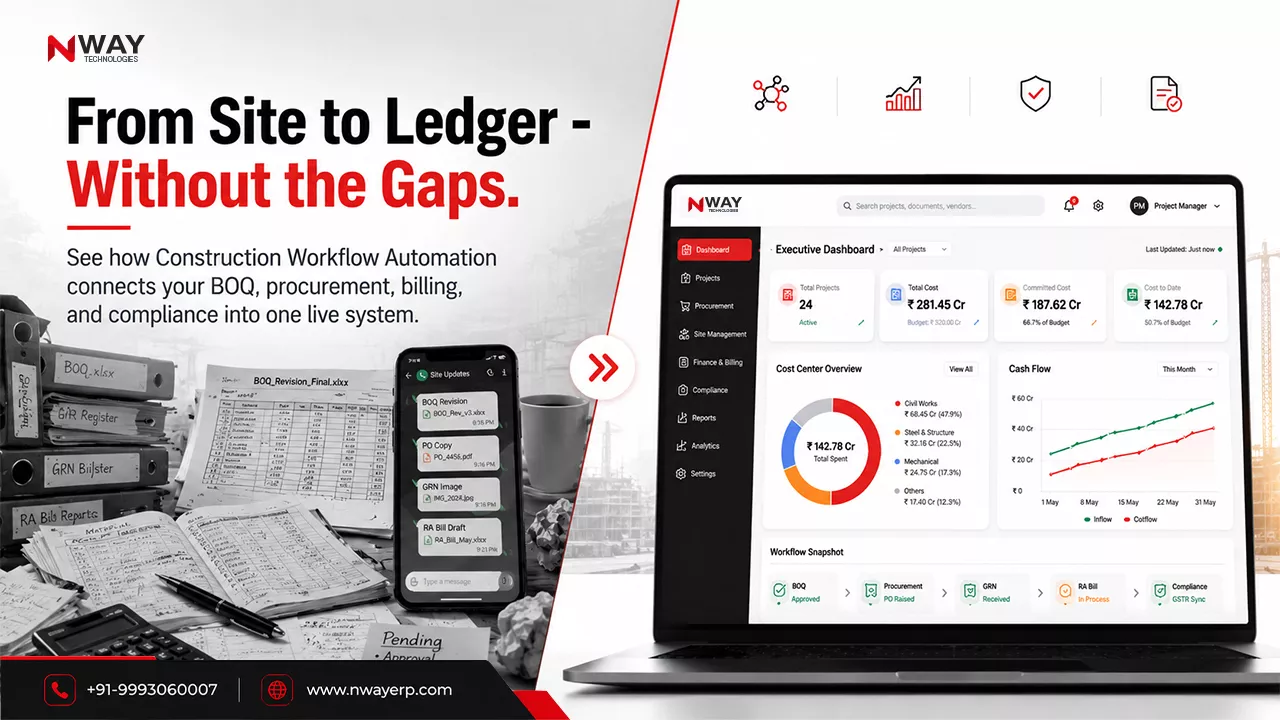
How Workflow Automation Transforms Construction Operations
How Workflow Automation Transforms Construction Operations...
How ERP Enables Data-Driven Decision-Making in Construction
How ERP Enables Data-Driven Decision-Making in Construction...
Why Construction Companies Lose Money in Procurement
Why Construction Companies Lose Money in Procurement...
How Construction ERP Software in India is Revolutionizing Project Management?
How Construction ERP Software in India is Revolutionizing Project Management?...
End-to-End AI in Project Management: From Planning to Billing
End-to-End AI in Project Management: From Planning to Billing...
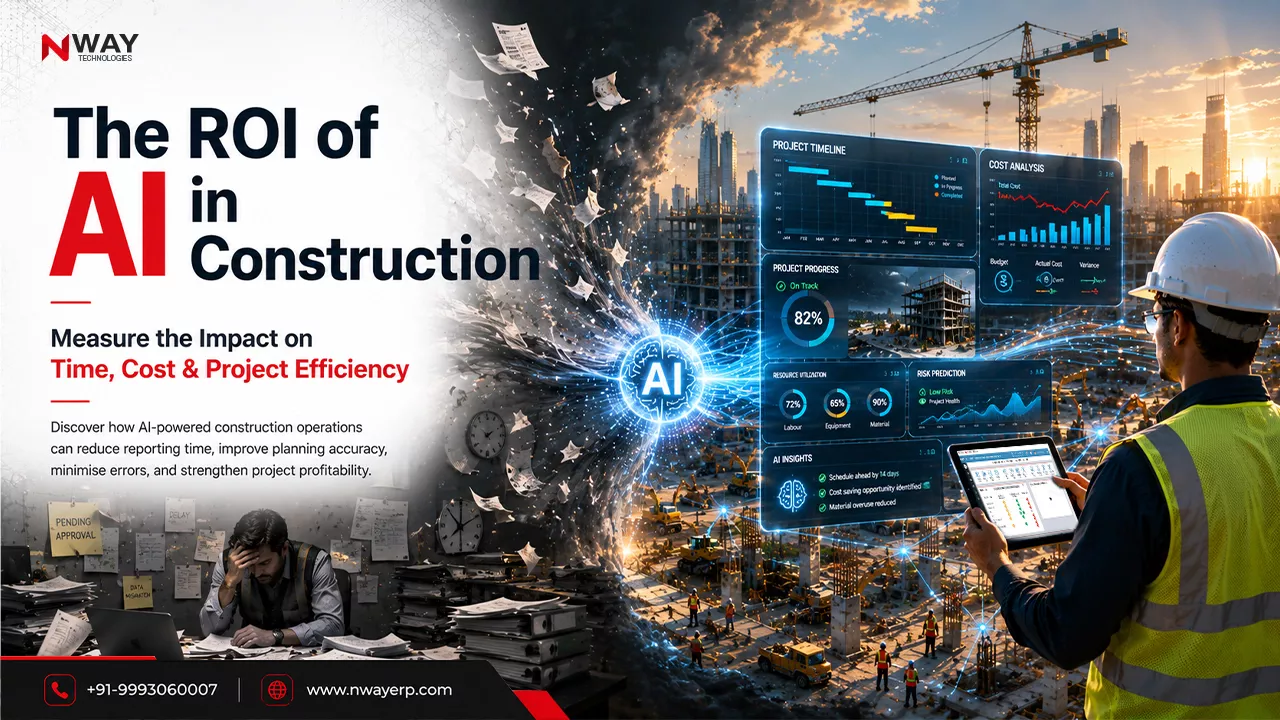
The ROI of AI in Construction: Measuring Time, Cost, and Efficiency Gains
The ROI of AI in Construction: Measuring Time, Cost, and Efficiency Gains...
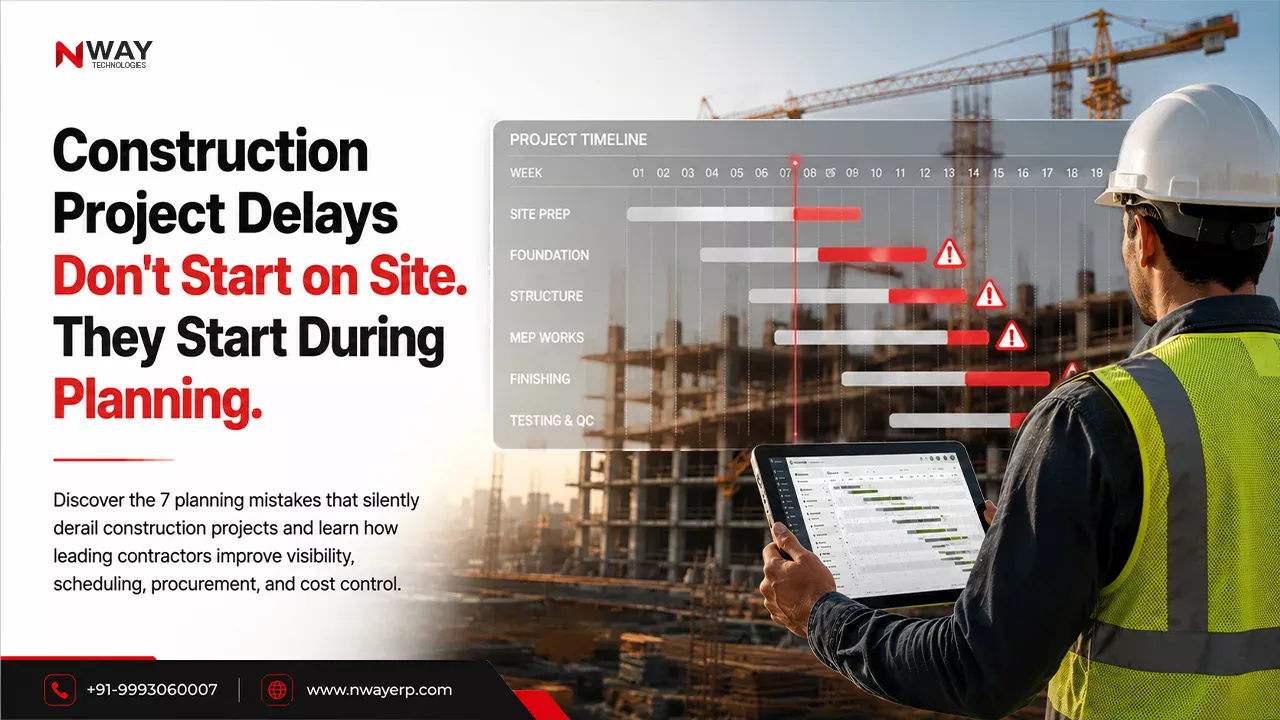
Construction Project Planning Mistakes That Lead to Delays
Construction Project Planning Mistakes That Lead to Delays...
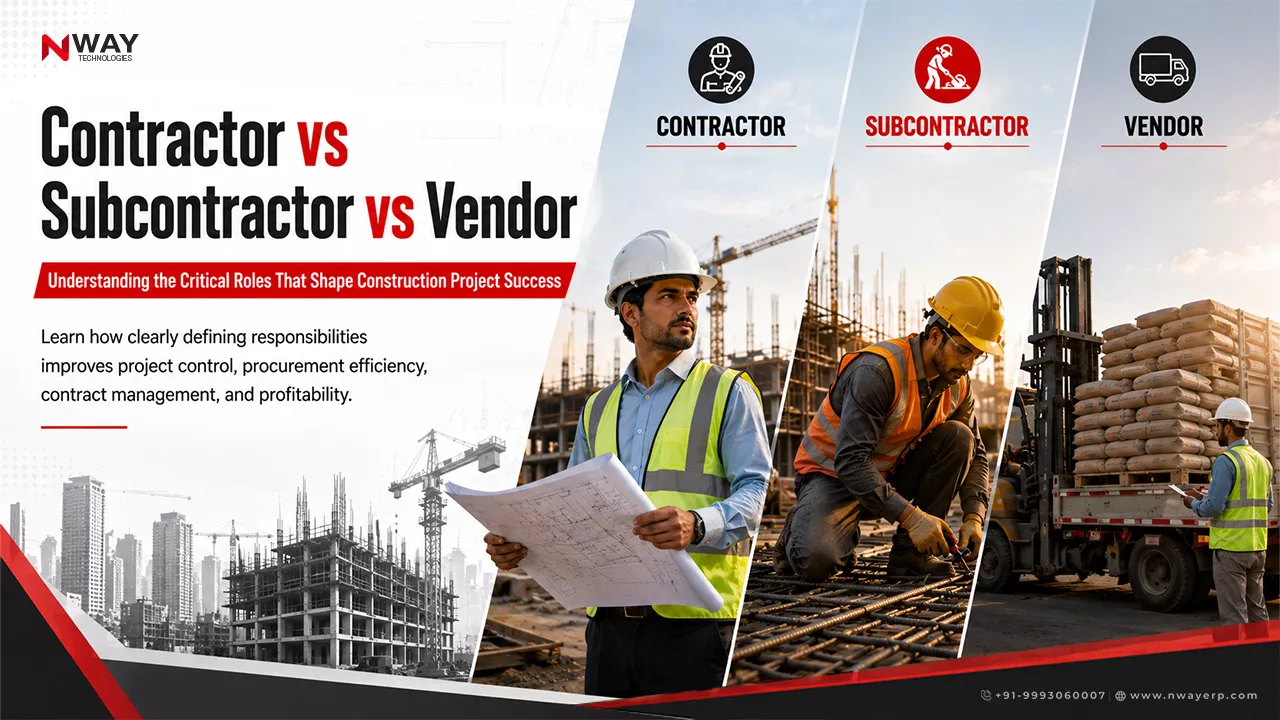
Contractor vs Subcontractor vs Vendor: What’s the Real Difference and Why It Matters More Than You Think
Contractor vs Subcontractor vs Vendor: What’s the Real Difference and Why It M...
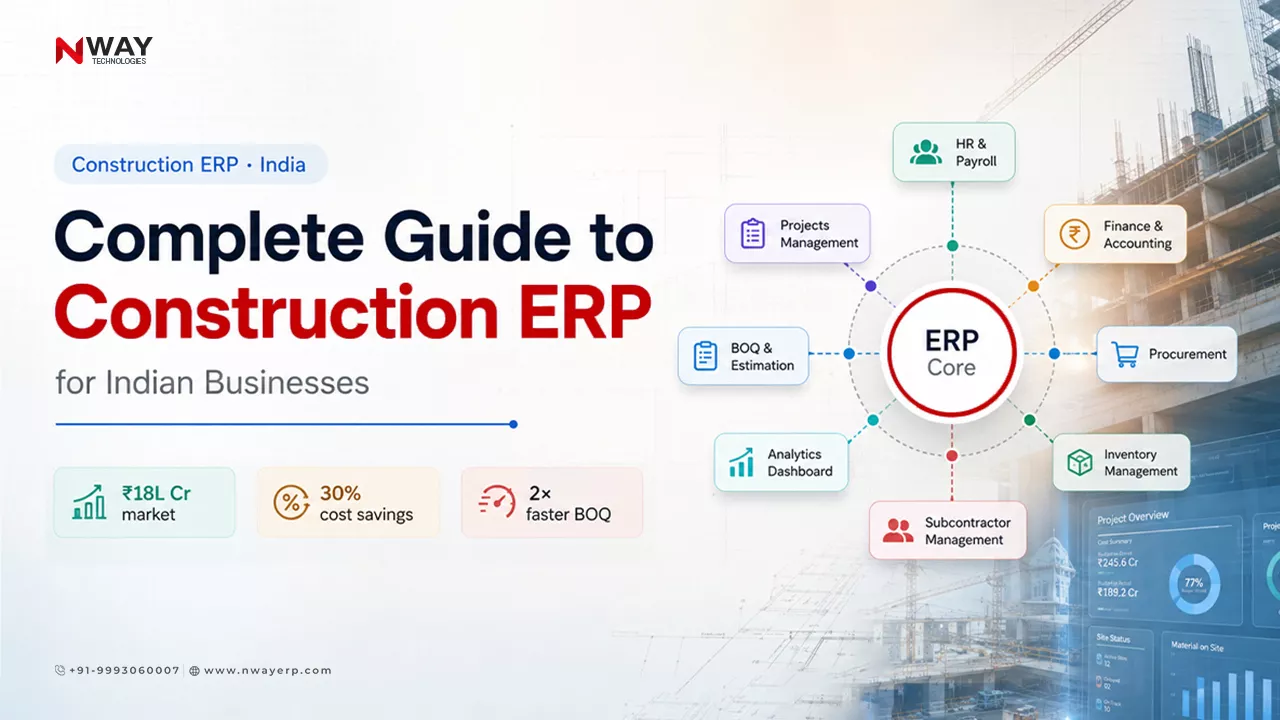
Complete Guide to Construction ERP Software in India: Build Smarter, Profit More
Complete Guide to Construction ERP Software in India: Build Smarter, Profit More...
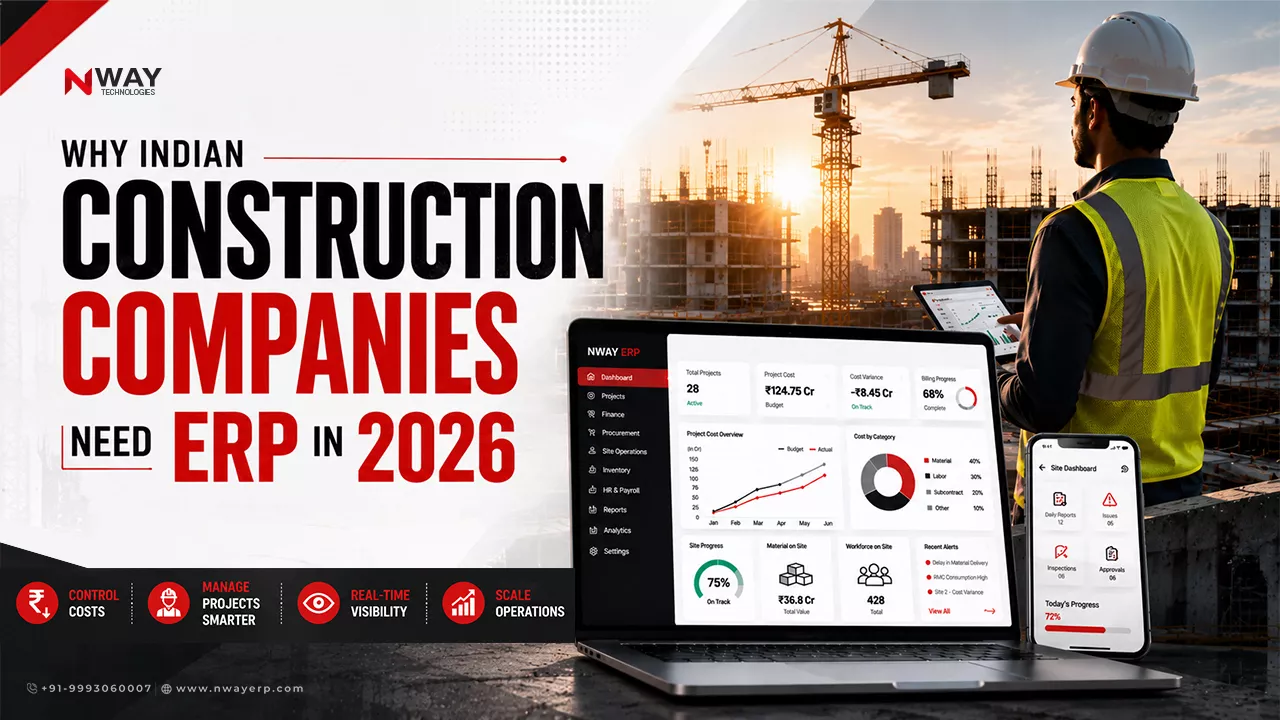
Why Indian Construction Companies Need ERP Software in 2026
Why Indian Construction Companies Need ERP Software in 2026...
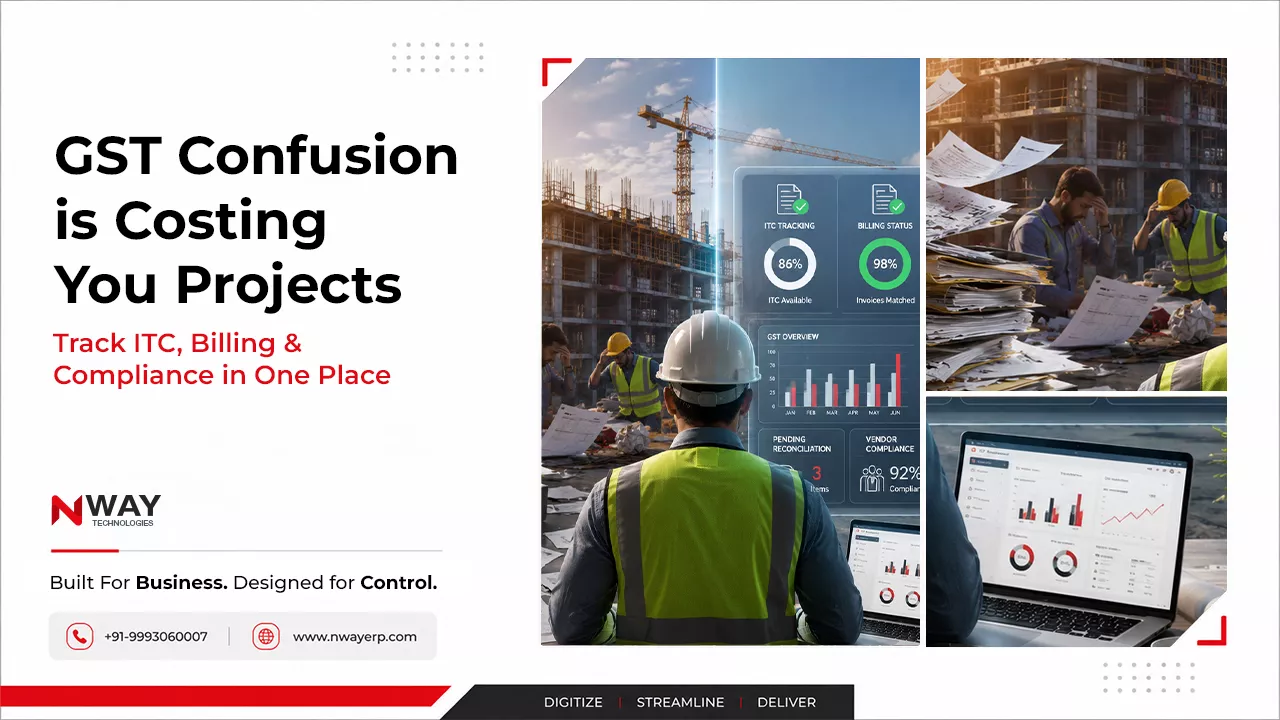
GST in Construction: Input Credit, Billing & Compliance Explained for Contractors & Project Leaders
GST in Construction: Input Credit, Billing & Compliance Explained for Contractor...
How to Manage Multiple Construction Sites Efficiently with Construction ERP Software
How to Manage Multiple Construction Sites Efficiently with Construction ERP Soft...
Why 2026 Is the Tipping Point: Indian Construction Companies Can No Longer Delay ERP Adoption
Why 2026 Is the Tipping Point: Indian Construction Companies Can No Longer Delay...
Construction Material Management: 5 Site Problems that are Costing you Money in 2026
Construction Material Management: 5 Site Problems that are Costing you Money in ...
Material Reconciliation in Construction: Format, Formula & Example
Material Reconciliation in Construction: Format, Formula & Example...
How Contractors Can Manage Cost Centers Easily with Construction Cost Management Software
How Contractors Can Manage Cost Centers Easily with Construction Cost Management...
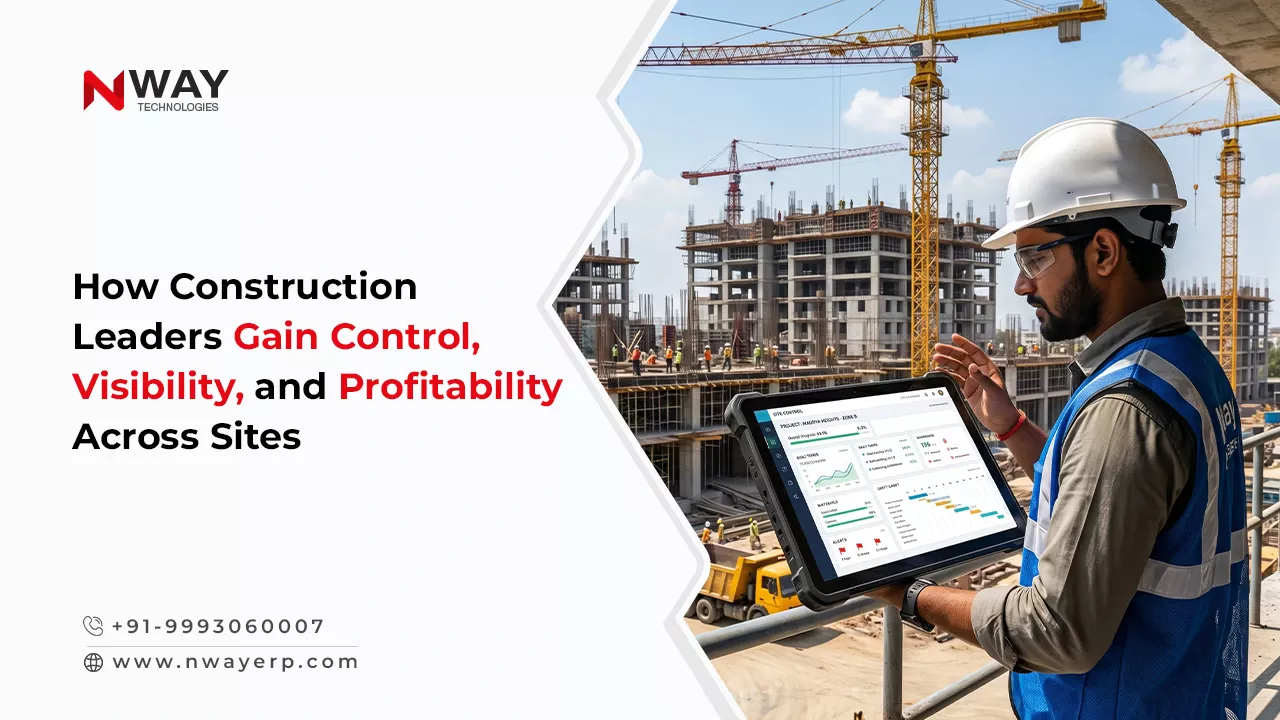
How ERP for EPC Construction Improves Project Visibility and Control
How ERP for EPC Construction Improves Project Visibility and Control...