Table of Contents:
- Introduction
- Why Logistics Management is Critical in Construction
- Understanding Construction Logistics Management Software
- How Construction Logistics Management Software Works
- Strategic Comparison: Manual Systems vs Spreadsheet vs Standalone Software vs Construction ERP
- Available Approaches to Construction Logistics Management
- Evaluation Criteria for Selecting Construction Logistics Management Software
- Business Benefits of Construction Logistics Management Software
- Where Construction ERP Fits Into Logistics Management
- Implementation Considerations
- Technology Evaluation Framework
- Conclusion
Introduction
Ask any experienced project director what causes avoidable construction delays, and procurement-related issues will almost always appear on the list.
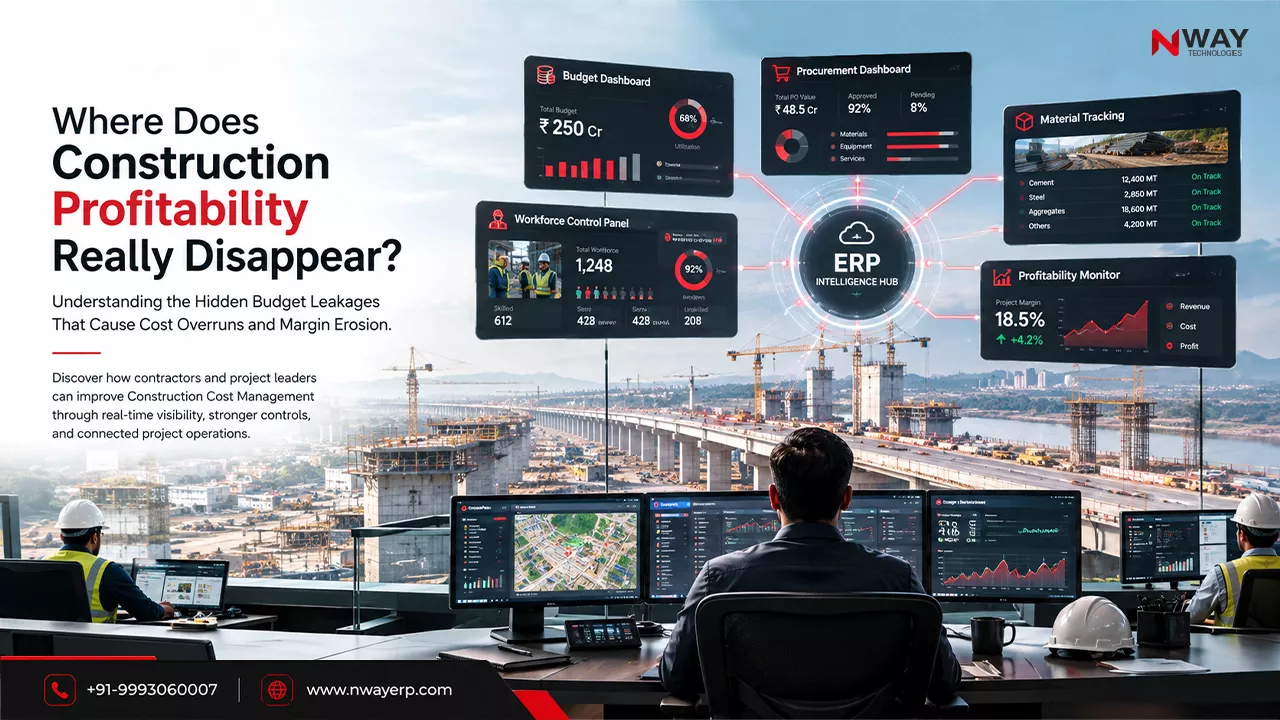
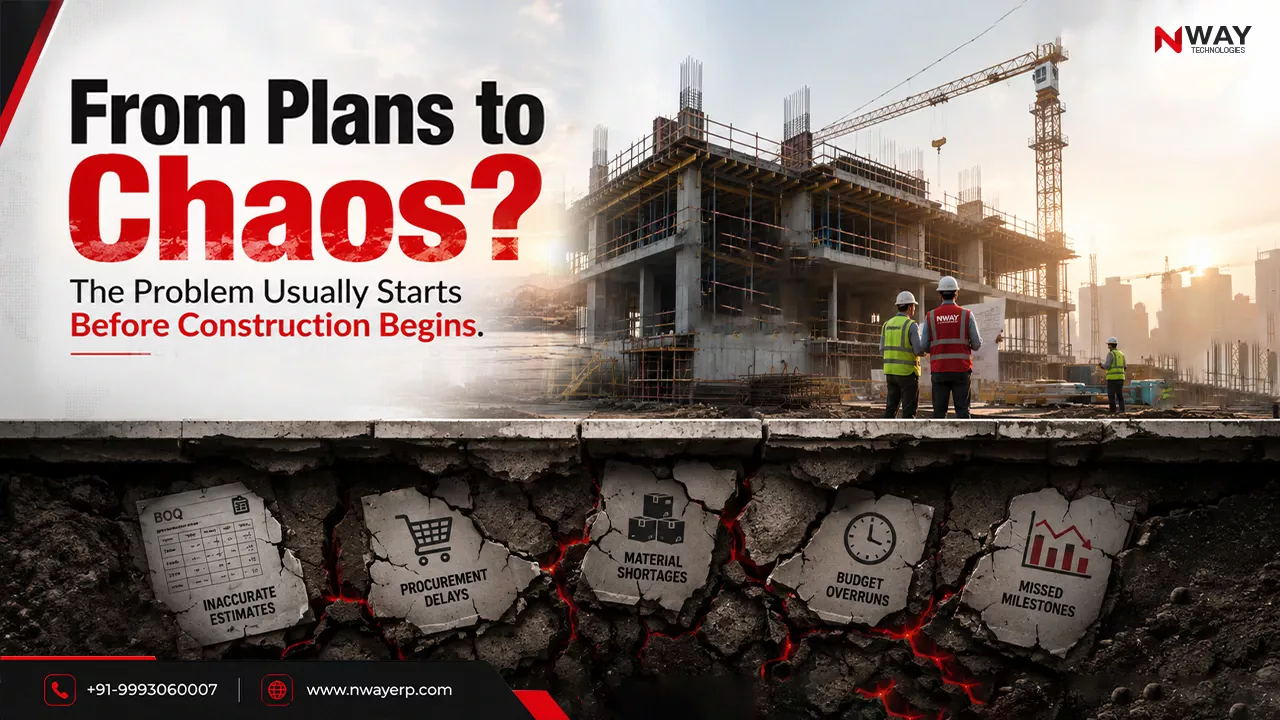
Materials arriving late. Inventory records that don’t match reality. Emergency purchases at higher rates. Suppliers missing commitments. Site teams waiting for approvals. Each issue may seem operational, but collectively they create significant financial and scheduling consequences.
The challenge becomes even more complex when multiple projects, locations, warehouses, vendors, and departments are involved. At that scale, managing the supply chain through spreadsheets and disconnected systems often creates more problems than it solves.
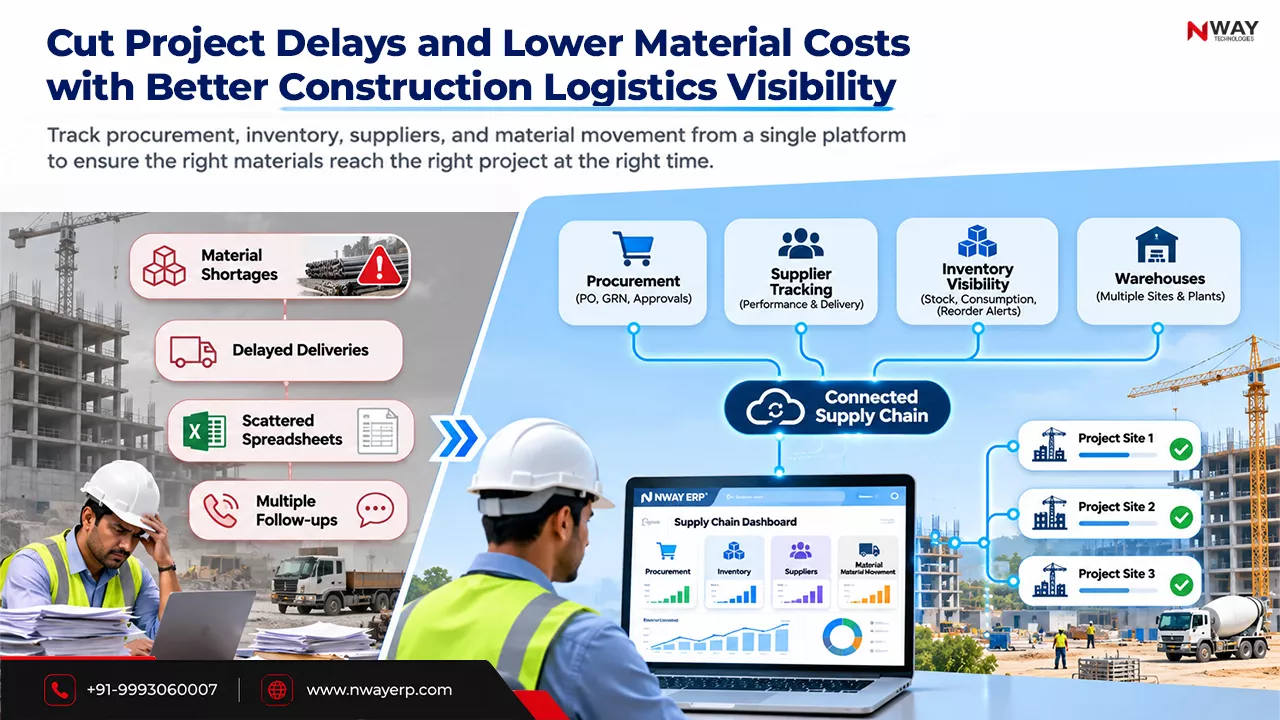
This is where construction logistics management software becomes valuable. By connecting procurement, inventory, project execution, and financial controls, these solutions help organizations improve visibility, reduce delays, and make better operational decisions.
Why Logistics Management is Critical in Construction
Unlike manufacturing, construction projects operate in dynamic environments where material requirements constantly change based on:
- Design revisions
- Site conditions
- Weather disruptions
- Resource availability
- Schedule changes
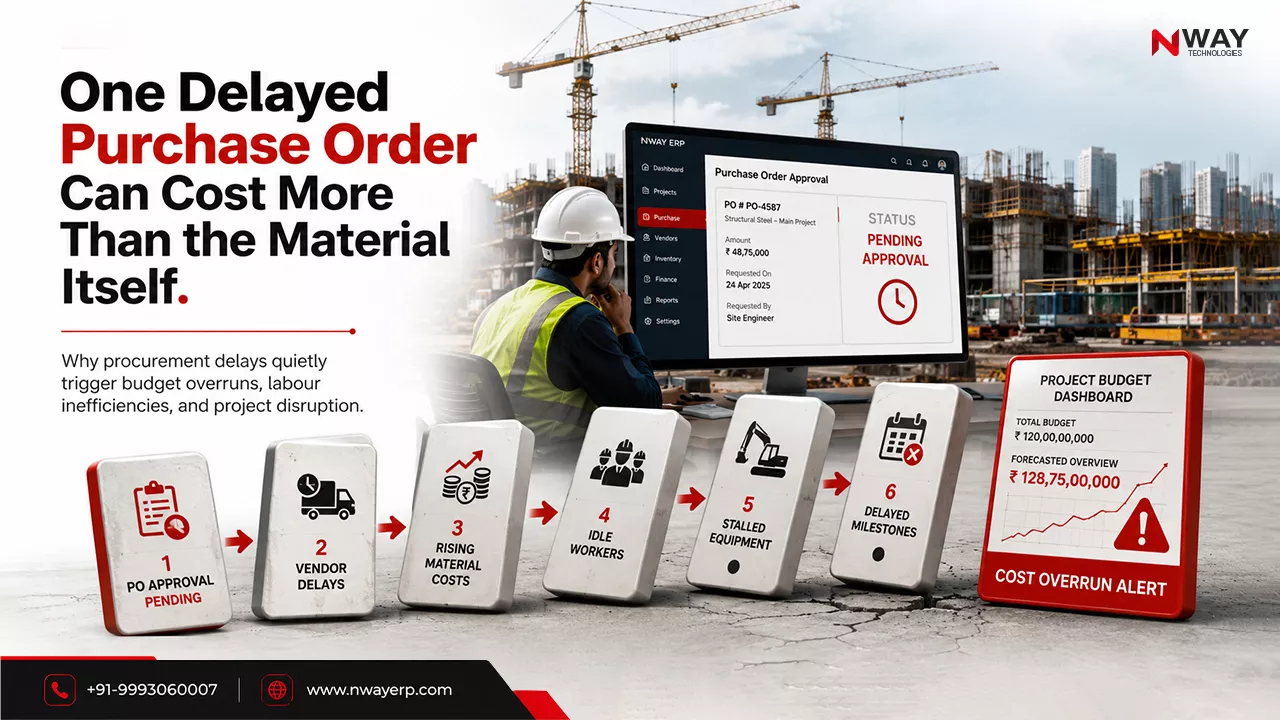
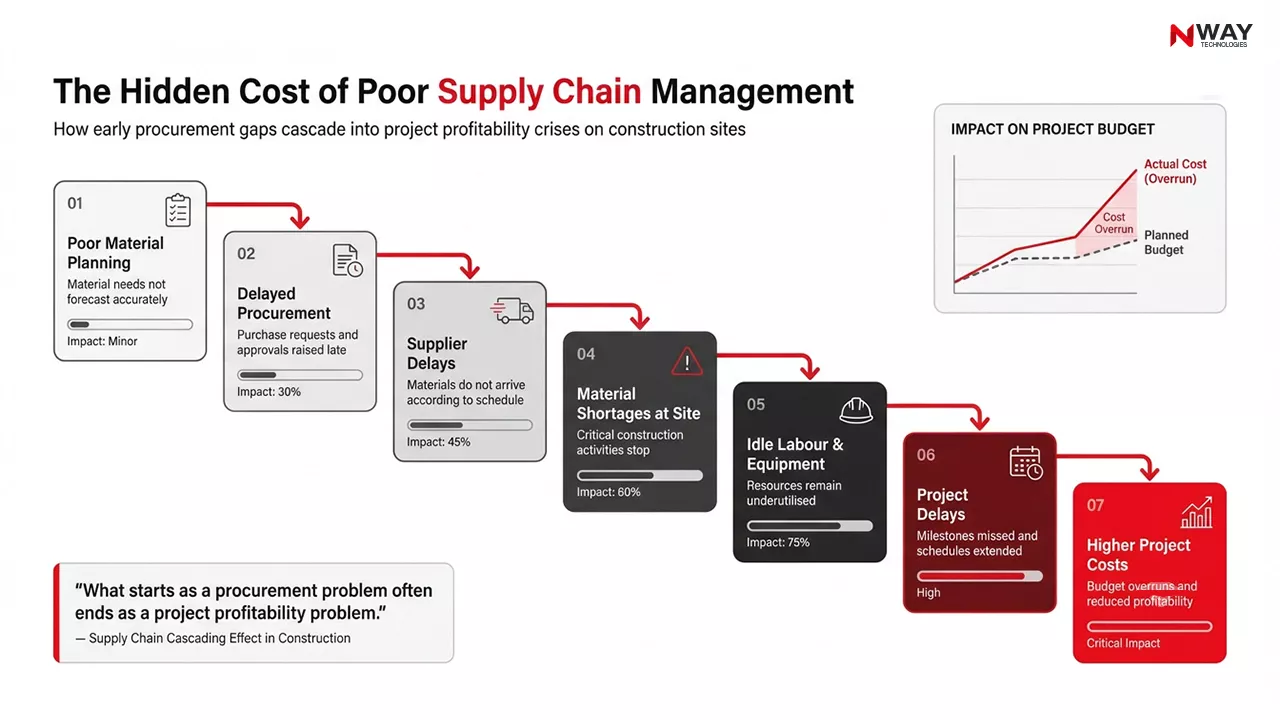
A poorly managed supply chain can create:
| Supply Chain Challenge | Business Impact |
|---|---|
| Material shortages | Project delays |
| Late deliveries | Idle labour and equipment |
| Excess inventory | Working capital blockage |
| Duplicate purchases | Increased project costs |
| Poor supplier tracking | Procurement inefficiencies |
| Lack of visibility | Delayed decision-making |
| Disconnected financial records | Budget overruns |
For many contractors, materials represent one of the largest project cost components, making supply chain optimization a strategic priority rather than an operational task.
Understanding Construction Logistics Management Software
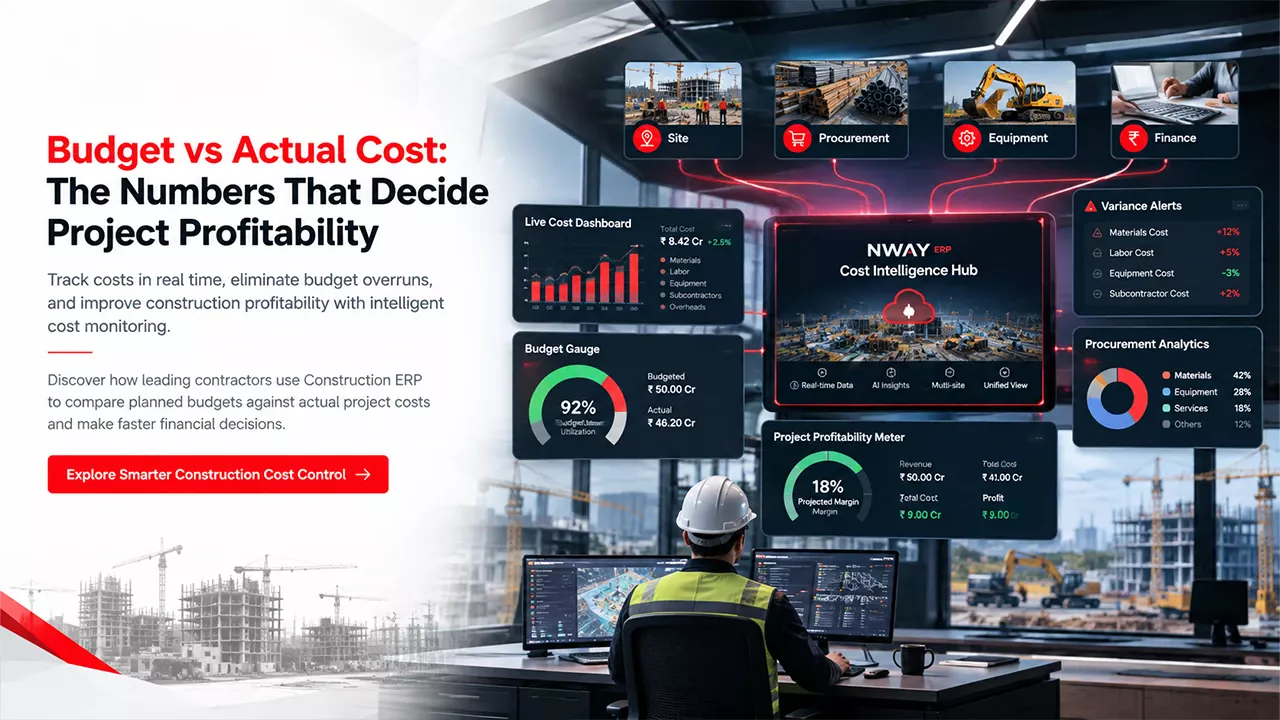
Construction logistics management software helps organizations manage the complete material lifecycle from planning and requisition to procurement, inventory tracking, consumption, and financial reconciliation.
Unlike generic inventory software, construction-focused solutions are designed around project-centric workflows.
Typical areas covered include:
- Material requirement planning
- Purchase requisitions
- Vendor management
- RFQ and procurement workflows
- Purchase order management
- Inventory tracking
- Material issuance
- Site-level consumption monitoring
- Cost allocation
- Budget tracking
- Financial integration
The objective is to ensure the right material reaches the right project at the right time and cost.
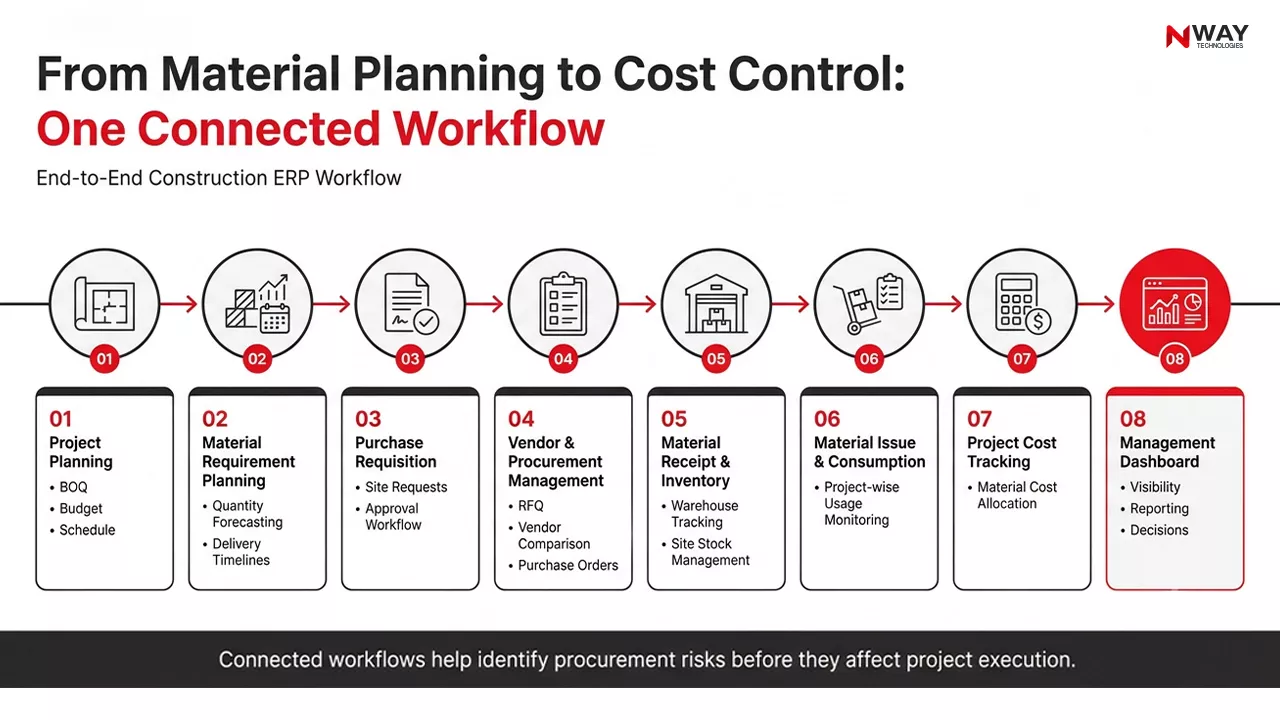
How Construction Logistics Management Software Works
Step 1: Material Planning
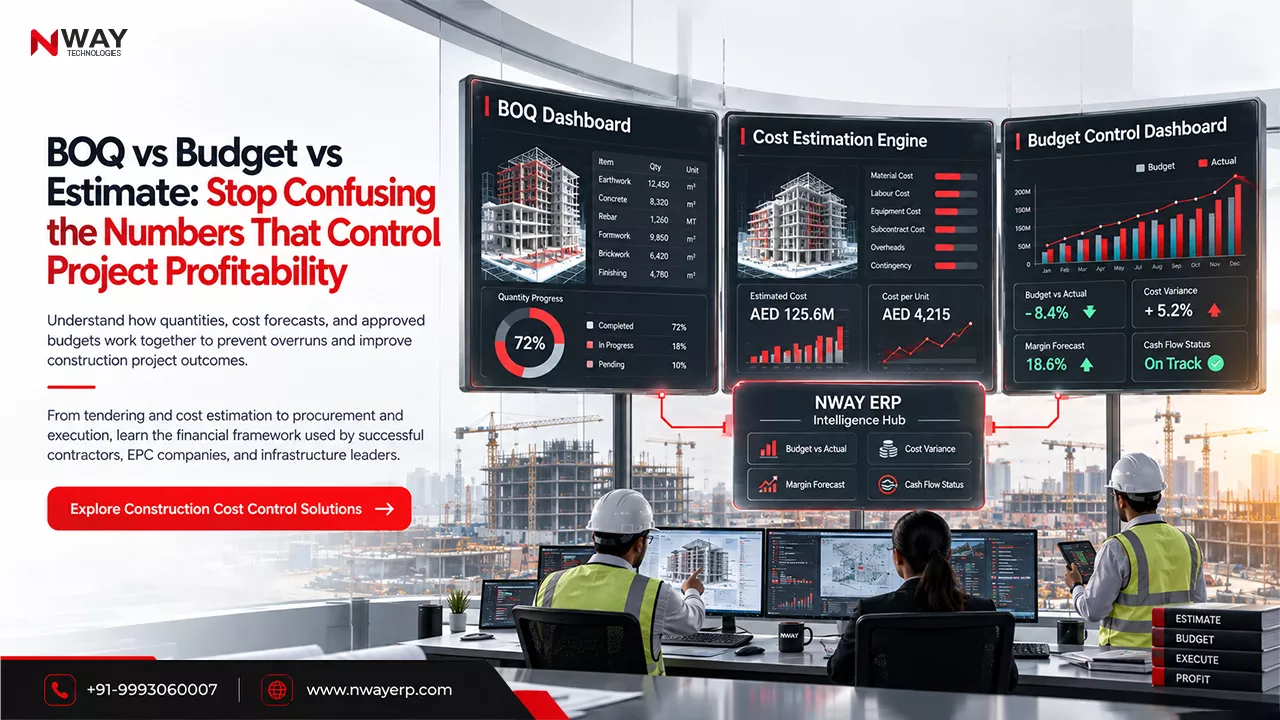
Project teams estimate required materials based on:
- BOQ
- Construction schedules
- Work packages
- Resource plans
The system creates visibility into upcoming procurement needs.
Step 2: Procurement Initiation
Site teams raise material requests.
Approvals flow through standardized workflows.
Procurement teams gain visibility into:
- Required quantities
- Required delivery dates
- Project allocation
- Budget implications
Step 3: Supplier Coordination
Procurement teams:
- Issue RFQs
- Compare vendor quotations
- Create purchase orders
- Track supplier commitments
This reduces communication gaps and improves accountability.
Step 4: Inventory Management
Materials received are recorded against:
- Purchase orders
- Projects
- Locations
Inventory remains visible across:
- Central warehouses
- Regional yards
- Site stores
Step 5: Material Utilization
Materials issued to projects are tracked against:
- Activities
- Cost codes
- Work packages
Management gains visibility into actual consumption patterns.
Step 6: Financial Coordination
Procurement and inventory transactions automatically support:
- Budget monitoring
- Cost control
- Project accounting
- Financial reporting
Strategic Comparison: Manual Systems vs Spreadsheet vs Standalone Software vs Construction ERP
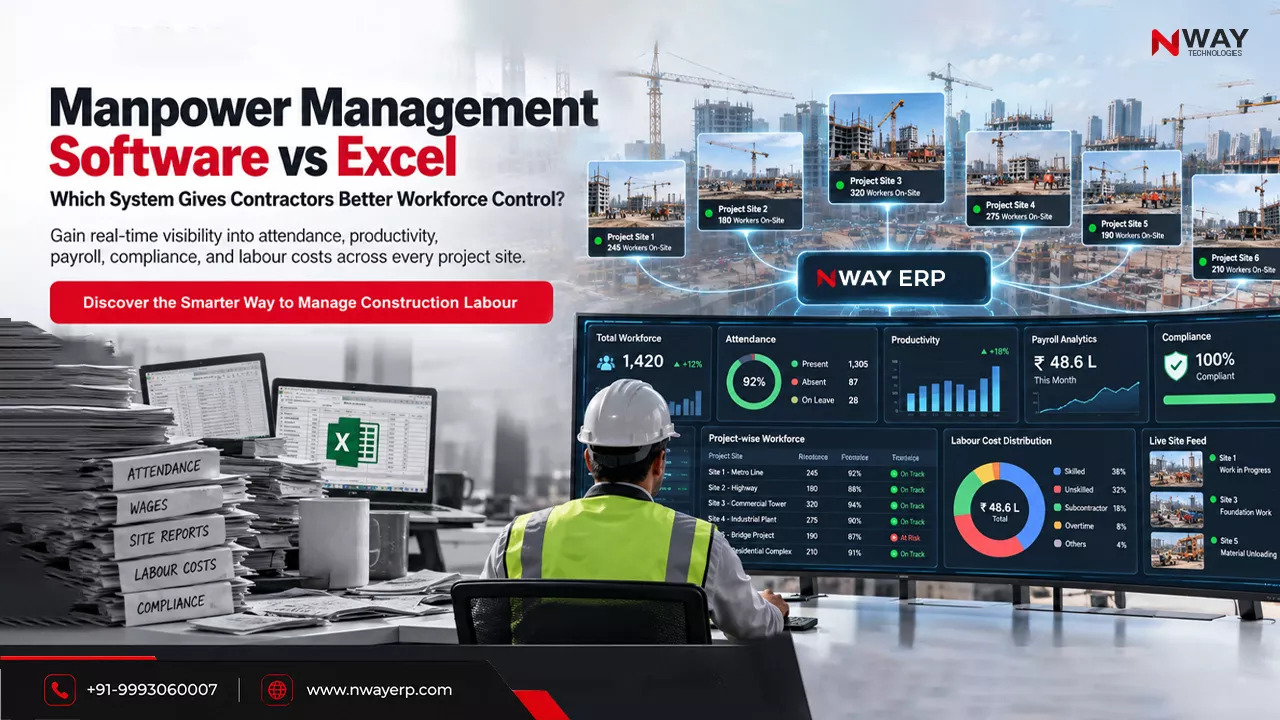
| Criteria | Manual Processes | Spreadsheet -Based System | Standalone Software | Integrated Construction ERP |
|---|---|---|---|---|
| Material Visibility | Limited | Partial | Moderate | End-to-end visibility |
| Procurement Tracking | Reactive | Manual updates | Structured | Real-time tracking |
| Multi-Project Monitoring | Difficult | Complex | Moderate | Centralized |
| Inventory Accuracy | Low | Depends on discipline | Better | High visibility |
| Financial Coordination | Separate | Separate | Limited | Integrated |
| Supplier Performance Monitoring | Difficult | Manual | Possible | Centralized data |
| Decision Speed | Slow | Moderate | Moderate | Faster decisions |
| Data Duplication | High | High | Moderate | Reduced |
| Scalability | Low | Low | Moderate | High |
| Business Outcome | Frequent delays and inefficiencies | Better control but high administrative effort | Operational improvement | Enterprise-wide visibility and control |
Key Takeaway
Spreadsheet may appear cost-effective initially, but as the number of projects, vendors, and locations increases, maintaining accurate information becomes increasingly difficult. Integrated ERP systems provide stronger operational alignment and improved decision-making capabilities.
Available Approaches to Construction Logistics Management
1. Manual Processes
Many firms still depend on:
- Phone calls
- Paper approvals
- WhatsApp messages
- Manual registers
Advantages
- Minimal technology investment
- Familiar workflows
Limitations
- No real-time visibility
- High dependency on individuals
- Increased risk of delays and errors
2. Spreadsheet-Based Management
Organizations often evolve toward Spreadsheet-based tracking.
Advantages
- Low cost
- Flexible reporting
Limitations
- Version control issues
- Multiple data sources
- Limited collaboration
- Poor scalability
3. Standalone Procurement or Inventory Software
Some businesses adopt specialized tools.
Advantages
- Better process discipline
- Improved record keeping
Limitations
- Data remains fragmented
- Limited integration with projects and finance
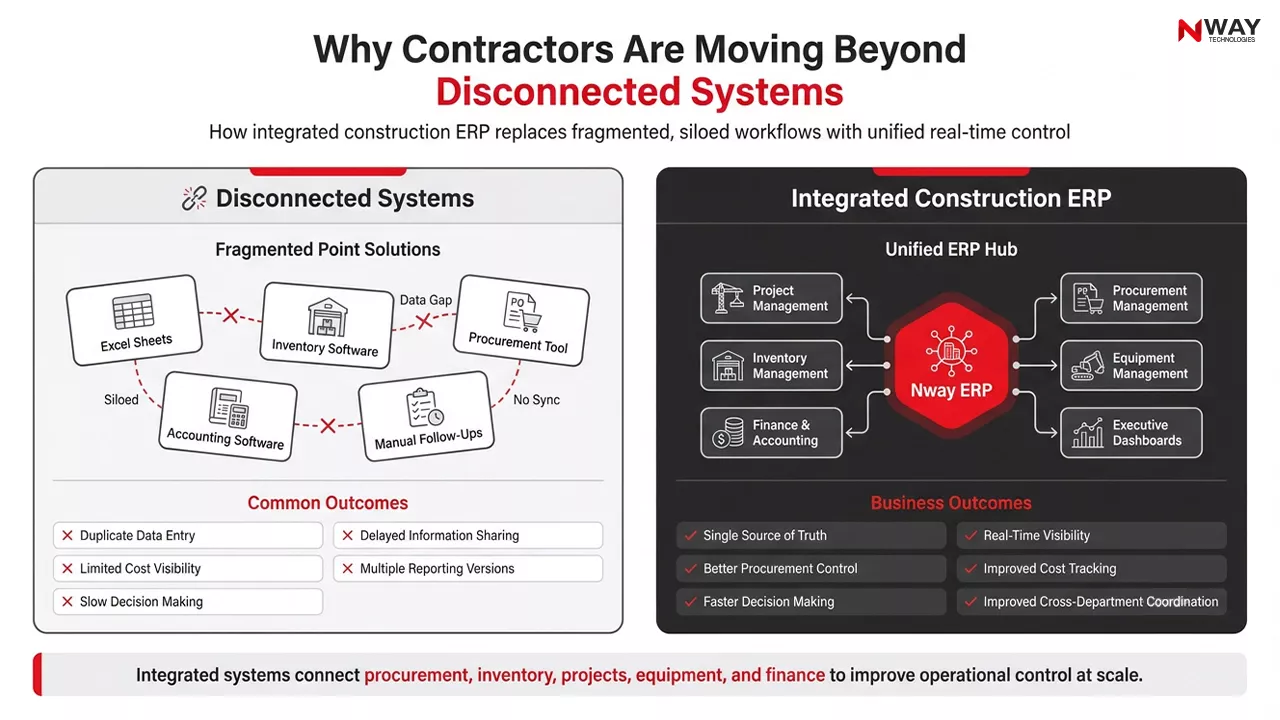
4. Integrated Construction ERP Platforms
A Construction ERP connects:
- Procurement
- Projects
- Inventory
- Equipment
- Finance
- HR
into a unified system.
This approach is increasingly preferred by growing contractors managing multiple projects and locations.
Evaluation Criteria for Selecting Construction Logistics Management Software
Before selecting a solution, decision-makers should evaluate:
- Project-Centric Visibility – Can material transactions be linked directly to projects, activities, and cost codes?
- Procurement Controls – Does the system support approval workflows and purchasing governance?
- Inventory Accuracy – Can site-level and warehouse-level inventory be tracked effectively?
- Financial Integration – Can procurement and inventory impact project and financial reporting?
- Mobile Accessibility – Do site teams have access to real-time information?
- Reporting Capabilities – Can management quickly assess procurement performance and material utilization?
- Scalability – Will the solution support future project growth?
Business Benefits of Construction Logistics Management Software
Improved Project Visibility
Decision-makers gain real-time visibility into:
- Purchase orders
- Deliveries
- Inventory
- Consumption
Potential supply disruptions can be identified earlier.
Better Cost Control
Material costs become easier to monitor through:
- Procurement tracking
- Rate comparison
- Consumption analysis
- Budget monitoring
Stronger Procurement Performance
Procurement teams can:
- Standardize purchasing
- Track supplier commitments
- Monitor pending orders
- Improve delivery planning
Enhanced Inventory Management
Organizations can reduce:
- Stock shortages
- Overstocking
- Lost materials
- Duplicate purchases
Better Financial Coordination
Integrated systems help align:
- Procurement expenditure
- Inventory valuation
- Project cost tracking
- Accounting processes
Improved Reporting and Decision-Making
Management can make decisions based on current project and supply chain data rather than manually compiled reports.
Quick Insight
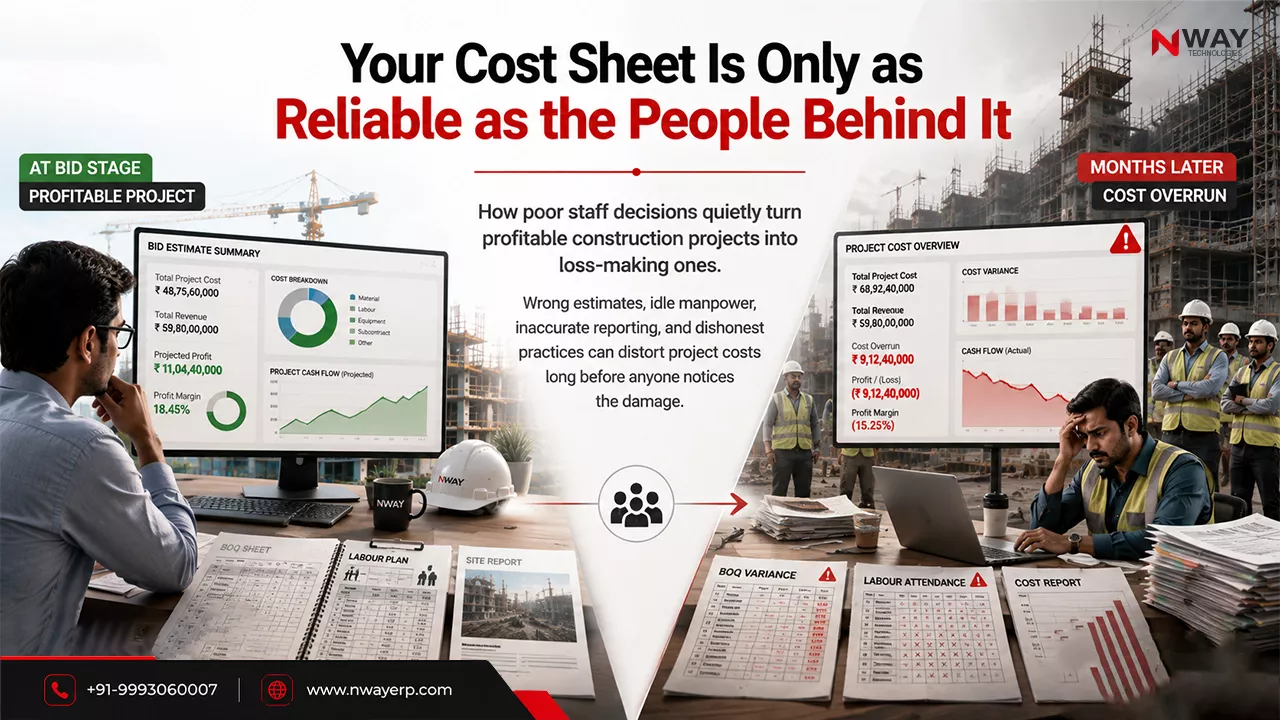
Companies often focus on negotiations to lower material costs. However, significant cost inefficiencies frequently originate from poor planning, duplicate purchases, unplanned procurement, and lack of inventory visibility.
Did You Know?
Industry studies consistently show that project delays are often linked not only to on-site execution challenges but also to procurement, logistics, and material availability issues. Improving supply chain coordination can significantly improve schedule reliability.
Struggling with Material Delays Across Multiple Projects?
Where Construction ERP Fits Into Logistics Management
As logistics operations grow in complexity, many organizations discover that procurement and inventory alone are not enough.
Material decisions affect:
- Project schedules
- Cost tracking
- Vendor payments
- Equipment deployment
- Cash flow planning
This is where a construction-focused ERP platform becomes relevant.
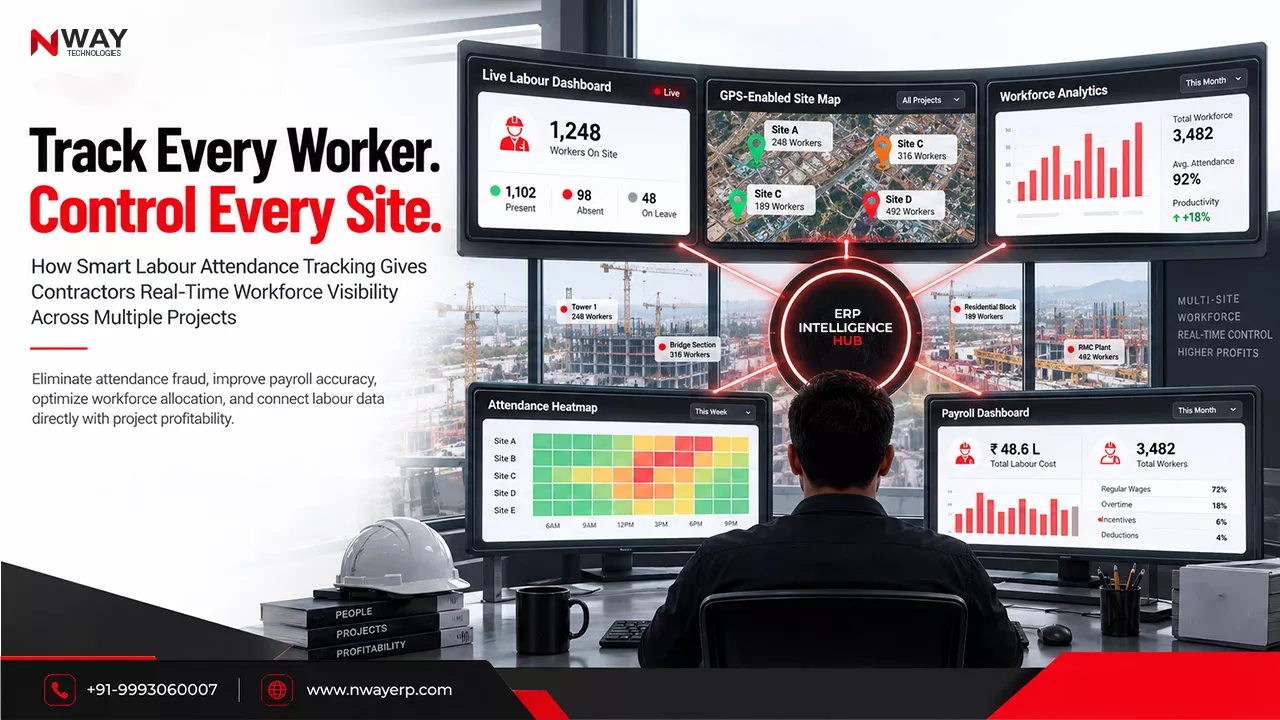
For example, NWAY ERP combines:
- Project Management
- Procurement & Inventory Management
- Cost Management & Accounting
- Equipment Management
- Preventive Maintenance
- Finance & Accounting
- HR & Payroll
within a centralized project environment.
This allows project teams, procurement departments, finance teams, and management to work from the same information source instead of maintaining isolated records.
Rather than functioning as a standalone procurement application, a construction ERP can help organizations coordinate operational and financial activities across projects.
Common Mistake
Many contractors attempt to solve procurement challenges by purchasing standalone inventory software while leaving project management, accounting, and cost control disconnected.
This may improve inventory visibility but often fails to eliminate the root problem: fragmented information.
Implementation Considerations
Data Migration
Organizations should prepare:
- Item masters
- Vendor databases
- Historical procurement records
- Inventory information
before implementation.
User Adoption
Successful implementation requires participation from:
- Procurement teams
- Store departments
- Project managers
- Finance teams
- Site engineers
Workflow Customization
Approval structures and procurement processes should reflect actual business operations while maintaining standardization.
Integration Requirements
Businesses should evaluate how procurement information connects with:
- Cost management
- Project tracking
- Finance
- Inventory
Training Strategy
Training should focus on:
- Role-specific workflows
- Site-level use cases
- Reporting requirements
Scalability Planning
The chosen platform should support:
- Multiple projects
- Multiple locations
- Expanding user bases
- Growing transaction volumes
Technology Evaluation Framework
Score your organization from 1–5 in each category:
| Evaluation Area | Score (1-5) |
|---|---|
| Material visibility across projects | |
| Procurement workflow control | |
| Inventory accuracy | |
| Supplier performance tracking | |
| Budget visibility | |
| Project cost allocation | |
| Financial integration | |
| Mobile accessibility | |
| Reporting quality | |
| Multi-project scalability |
Interpretation
- 40–50: Strong digital maturity
- 25–39: Improvement opportunities exist
- Below 25: Significant modernization opportunity
Conclusion
Material availability has a direct impact on project schedules, resource utilization, and profitability. As construction organizations expand across projects, locations, and stakeholders, traditional logistics management methods become increasingly difficult to sustain.
The key question is no longer whether digital tools are necessary, but which solution best aligns procurement, inventory, project management, and financial control.
Decision-makers should carefully evaluate visibility, scalability, integration, reporting capabilities, and operational fit before selecting a platform.
For many growing contractors, integrated construction ERP systems provide a stronger foundation for long-term operational control because they connect procurement decisions directly to project execution and financial outcomes.
If your organization is evaluating ways to improve procurement planning, inventory management, project visibility, and cost control, it may be worth exploring how a construction-focused ERP platform such as NWAY ERP supports these connected workflows.
CAN Your Logistics Handle the Next Level of Growth?
RELATABLE READ – Construction Procurement ERP Software: How NWAY ERP Software can help you