Discover why poor construction procurement management leads to cost overruns, delays, and waste and how to regain control with modern ERP solutions.
Table of Contents:
- Introduction
- Why Procurement Is Complex in Construction
- What Is Construction Procurement Management?
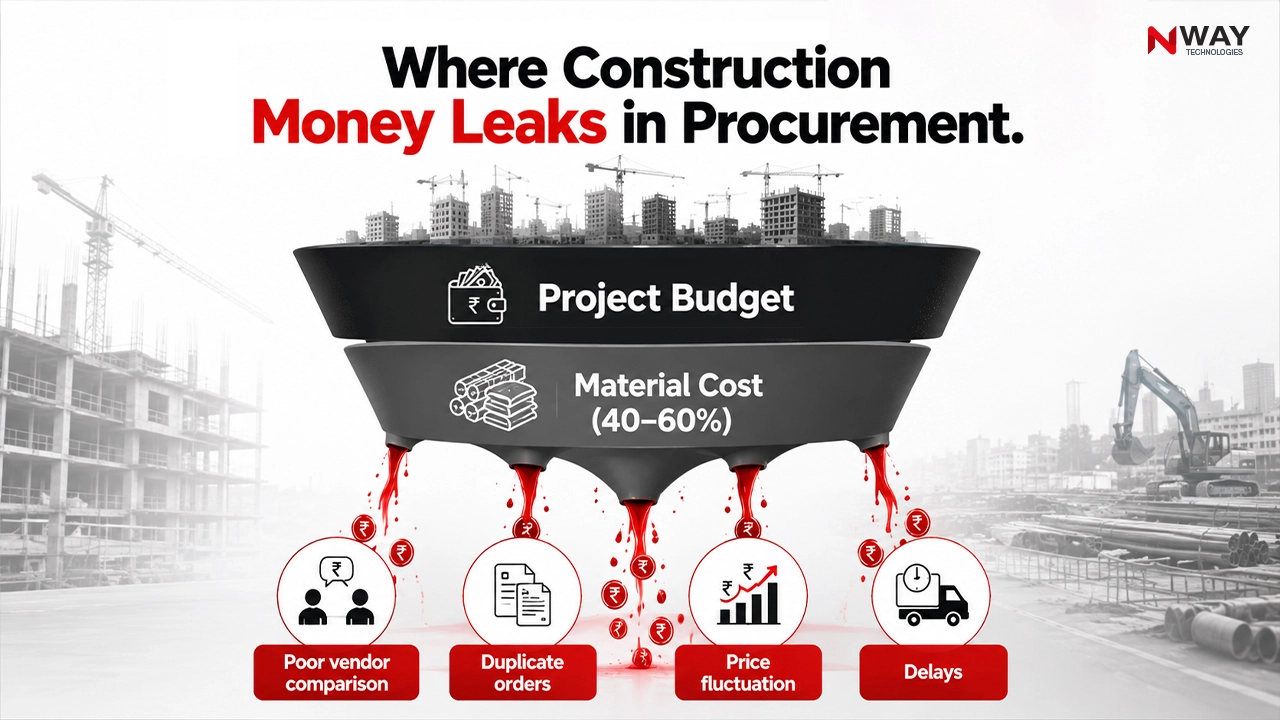
- Why Construction Companies Lose Money in Procurement
- Digitising Construction Procurement
- Conclusion
Introduction
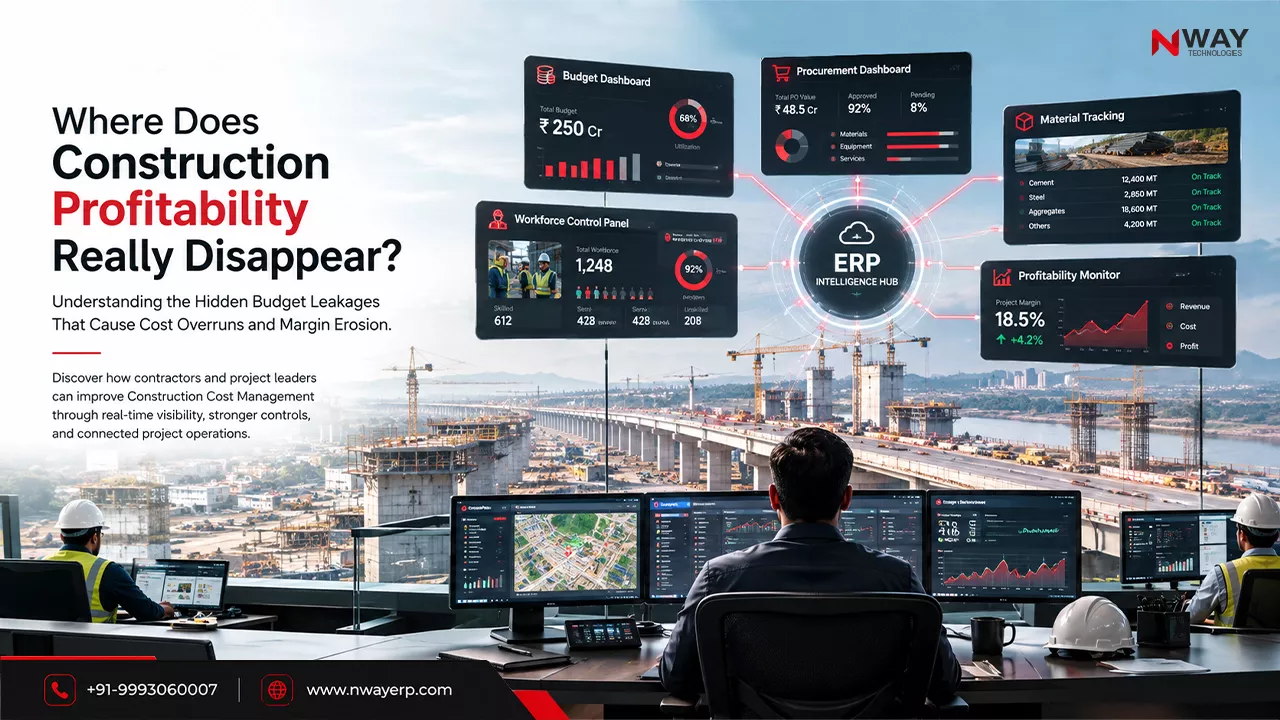
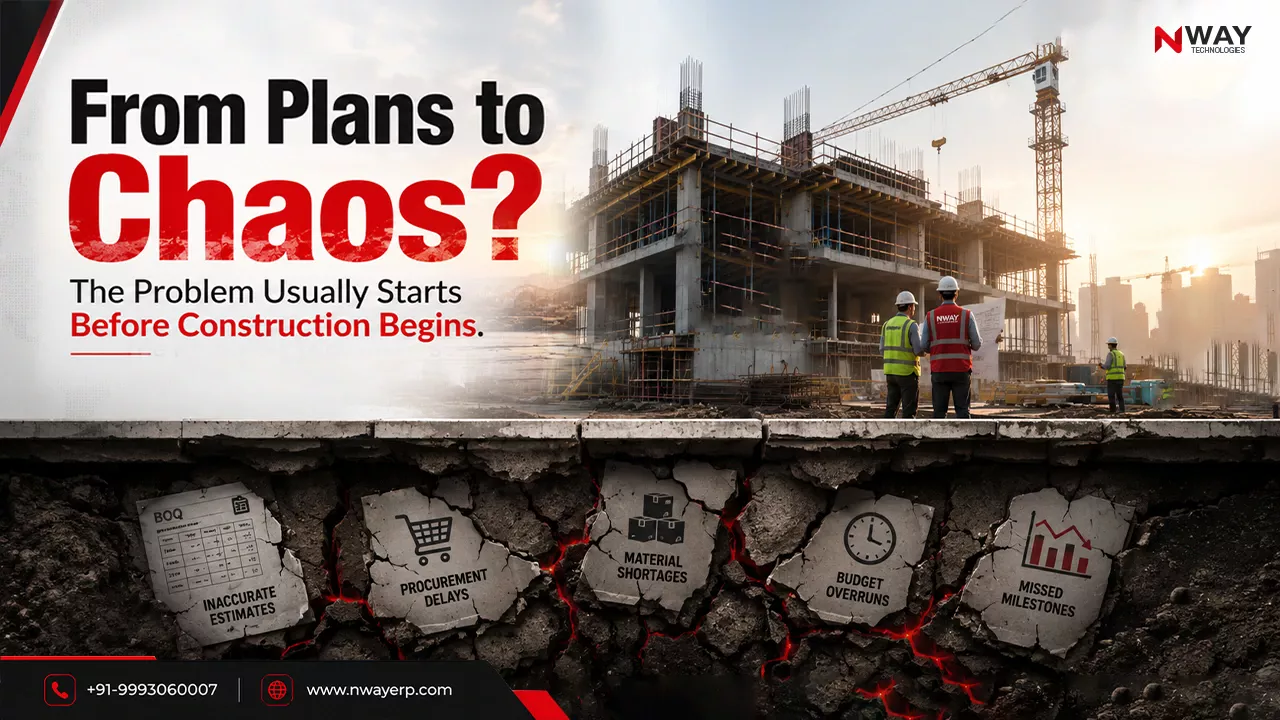
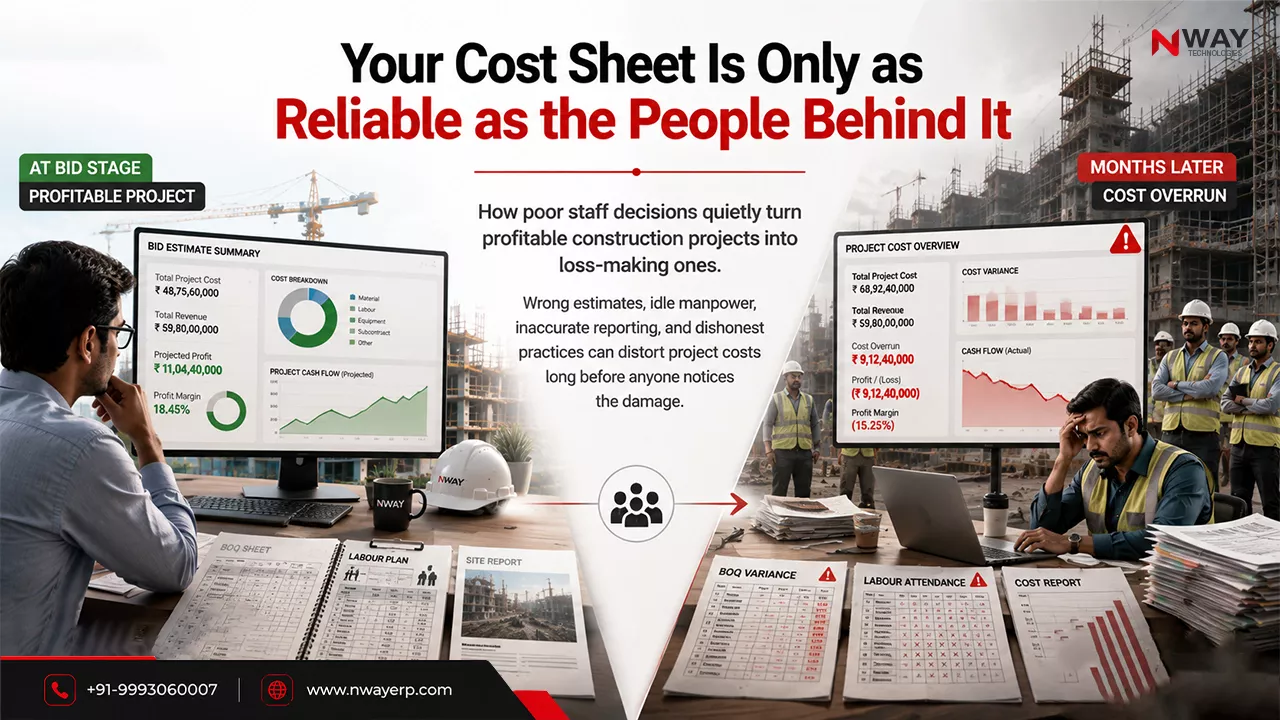
Construction projects rarely fail all at once. Instead, profits diminish over time due to inefficient procurement, fluctuating material costs, and poor coordination.
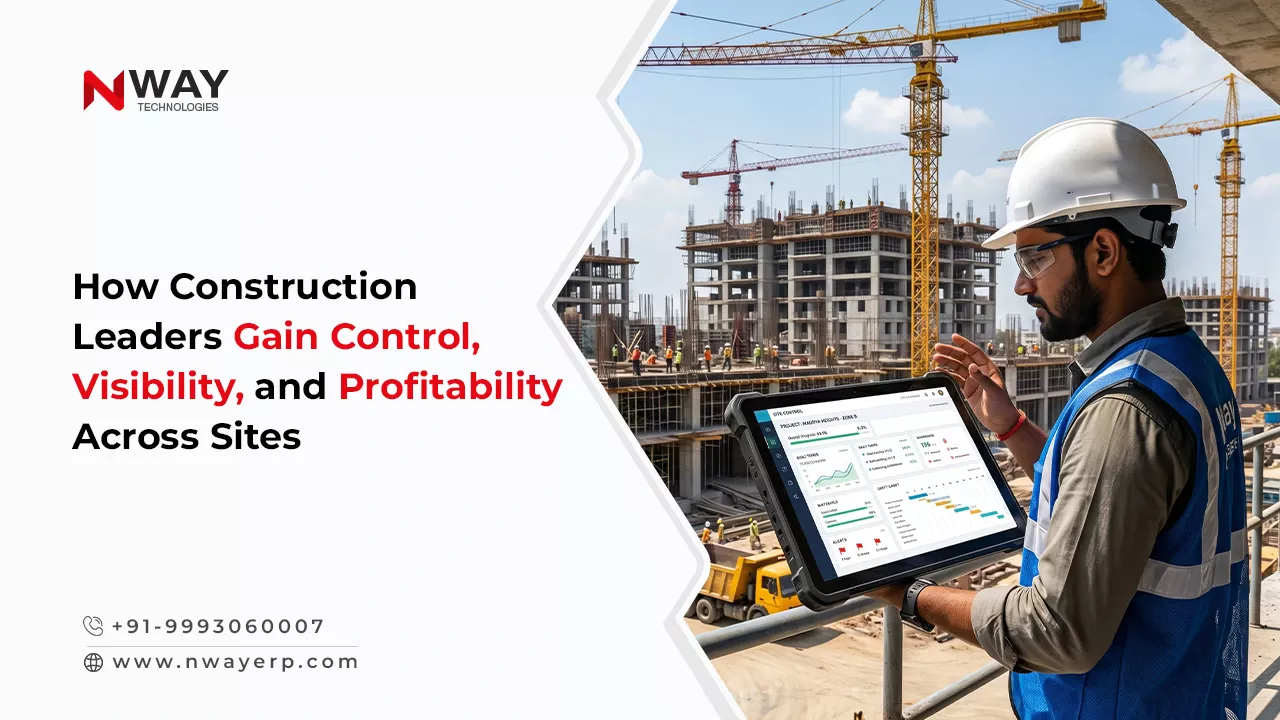
Even though materials make up a significant share of overall project expenses, procurement remains one of the least optimized areas in construction businesses. Many companies still rely on spreadsheets, manual approvals, and disconnected processes rather than leveraging a dedicated Construction Procurement ERP software solution that can centralize purchasing, vendor management, budget tracking, and material control.
The result?
- Budget overruns
- Delayed timelines
- Uncontrolled site expenses
Most construction projects end up exceeding their budgets globally.
At the core of this issue is a critical gap: ineffective construction procurement management. Without a robust Construction ERP software system that provides real-time visibility and process standardisation, organisations struggle to control costs, maintain accountability, and ensure procurement decisions align with project objectives.
Why Procurement Is Complex in Construction
Construction procurement is fundamentally different from other industries. Unlike manufacturing, where procurement is repetitive and predictable, construction operates in a project-based, dynamic environment. The challenge becomes even greater when contractors are managing multiple construction sites simultaneously, each with its own material requirements, timelines, vendors, and logistical constraints.
Key complexities include:
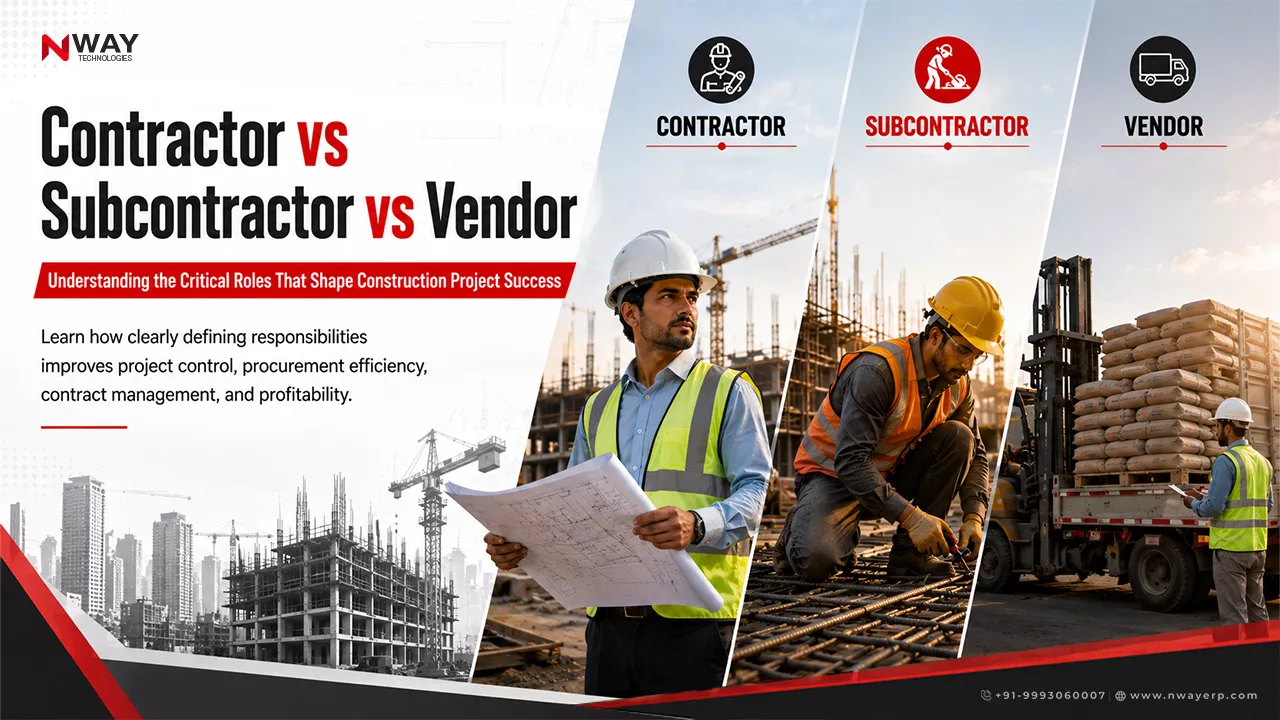
- Multiple stakeholders (contractors, subcontractors, vendors, consultants)
- Location-specific procurement
- Fluctuating material costs
- Limited supplier options for specialized materials
- Just-in-time delivery dependencies
Additionally, modern construction supply chain management is highly fragile, and global sourcing introduces risks such as price fluctuations, delivery delays, and uncertainty.
Every project becomes a new ecosystem, making procurement planning and execution significantly harder. When multiple sites are involved, maintaining visibility, coordinating procurement activities, and ensuring timely material availability across all locations becomes even more challenging, increasing the risk of delays, inefficiencies, and cost overruns.
What Is Construction Procurement Management?
Construction procurement management refers to the process of:
- Material planning based on BOQ
- Vendor selection and RFQs
- Purchase order (PO) management
- Procurement cost tracking
- Delivery coordination and inventory handling
Done right, it ensures alignment between project schedules, budgets, and material availability.
Done poorly, it becomes the biggest contributor to financial leakage.
Acknowledgement of Limitations: Why Traditional Procurement Fails
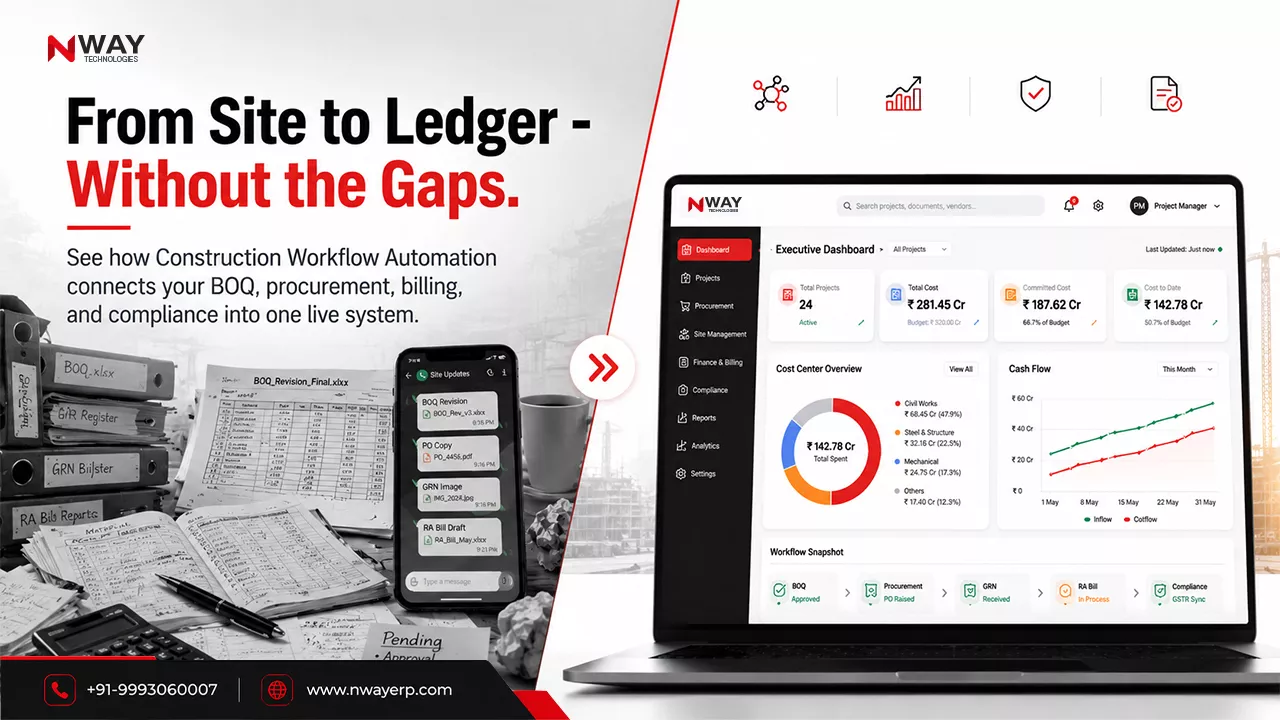
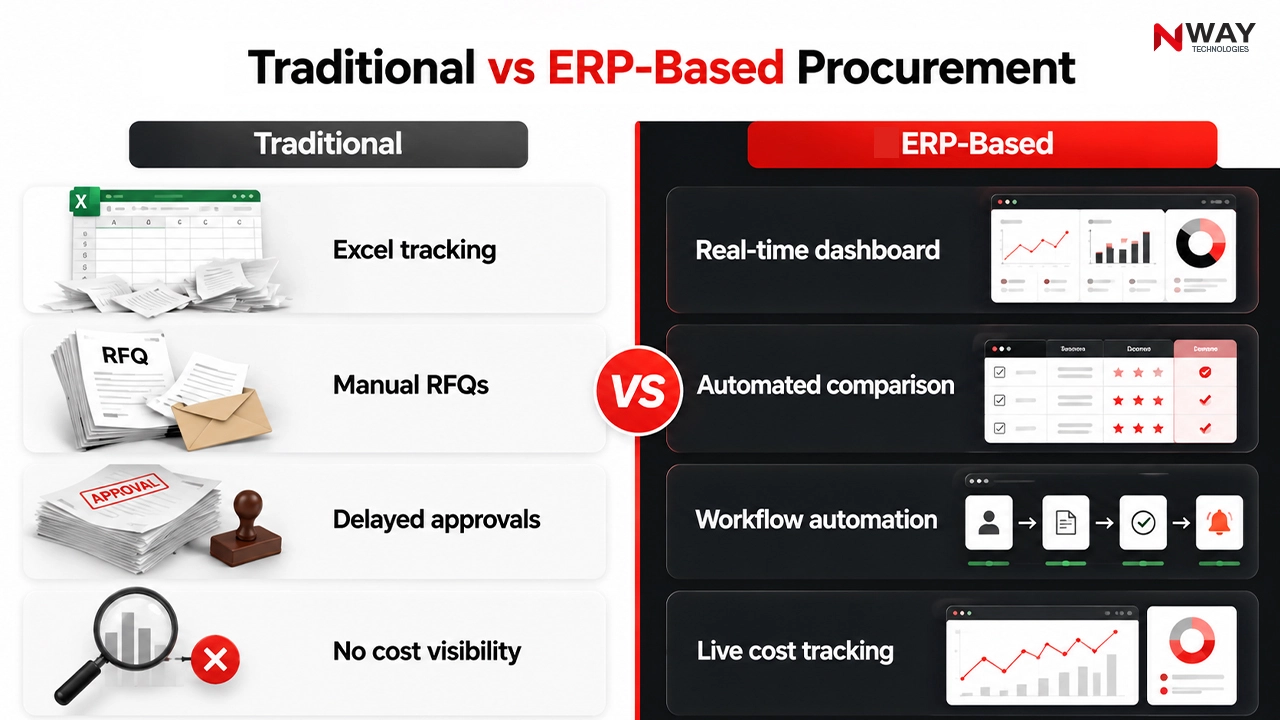
Many construction firms still rely on:
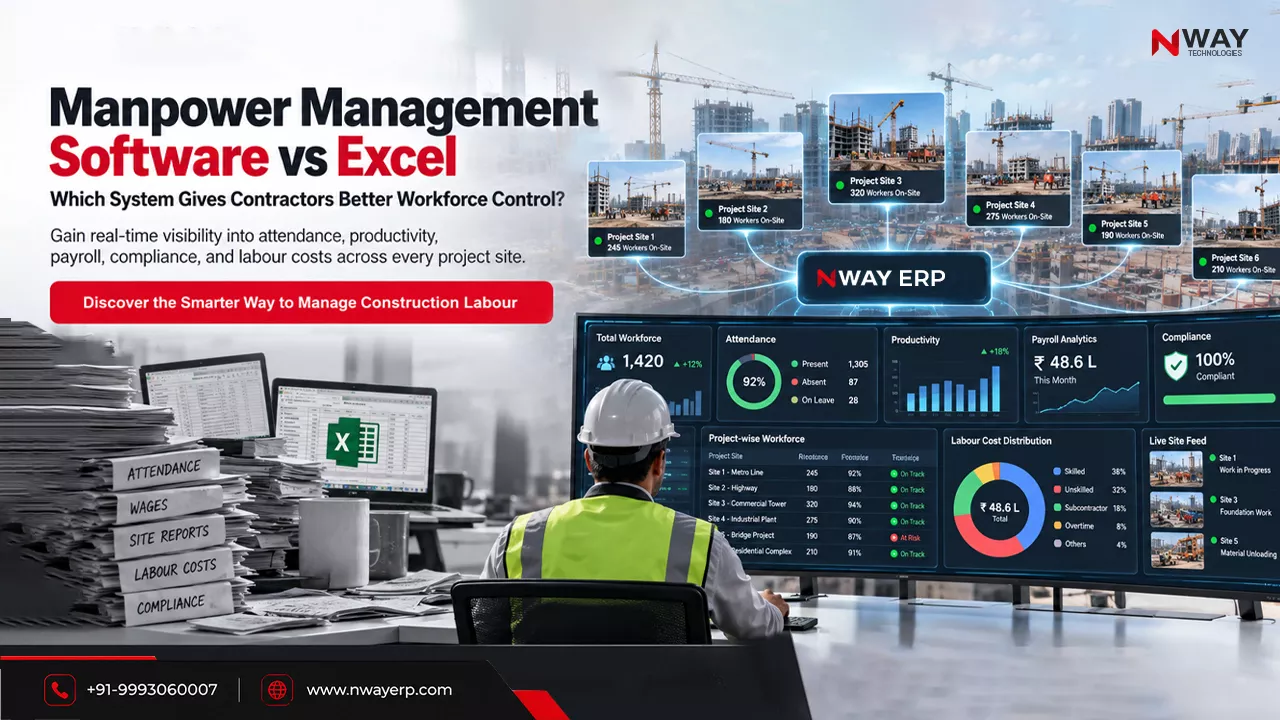
- Excel sheets
- WhatsApp-based approvals
- Manual RFQ comparisons
- Verbal purchase decisions
While these methods may work for small projects, they fail at scale.
Common limitations include:
- Lack of real-time visibility
- No centralized data
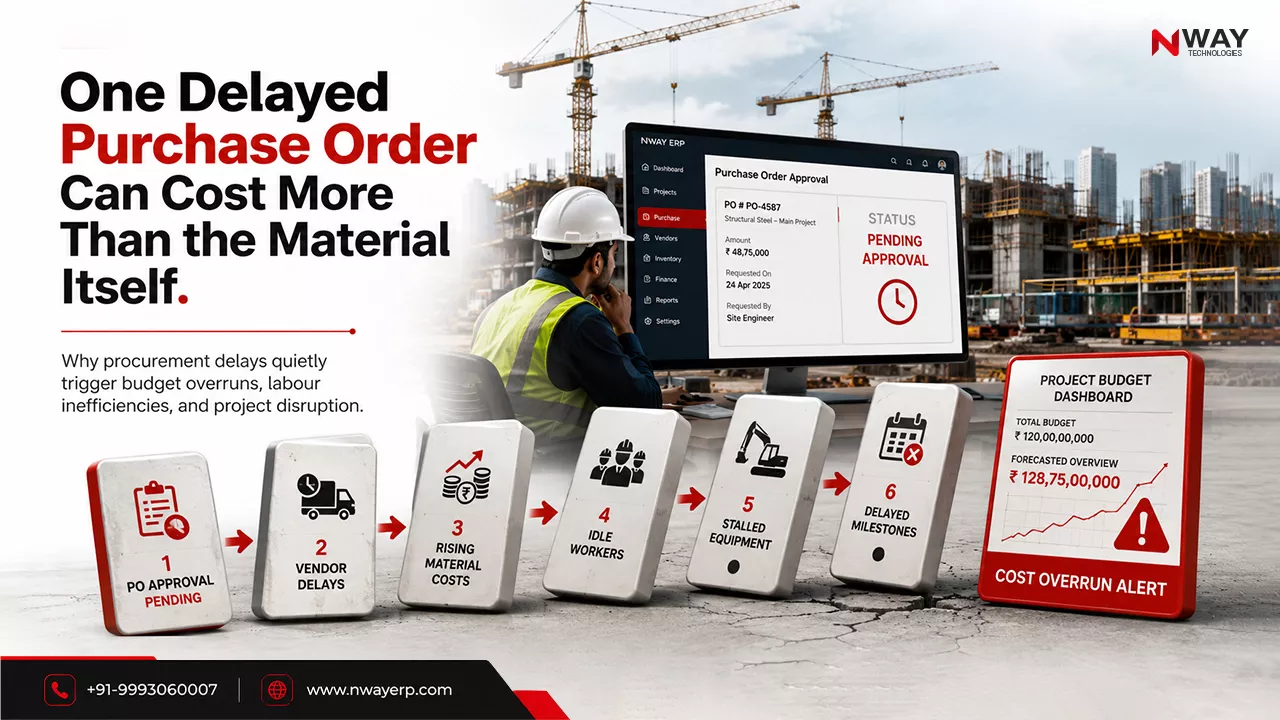
- Delayed approvals
- Manual errors in pricing and quantities
- No audit trail
This leads to fragmented decisions and reactive planning rather than strategic procurement.
Why Construction Companies Lose Money in Procurement
1. Poor Spend Visibility Across Projects
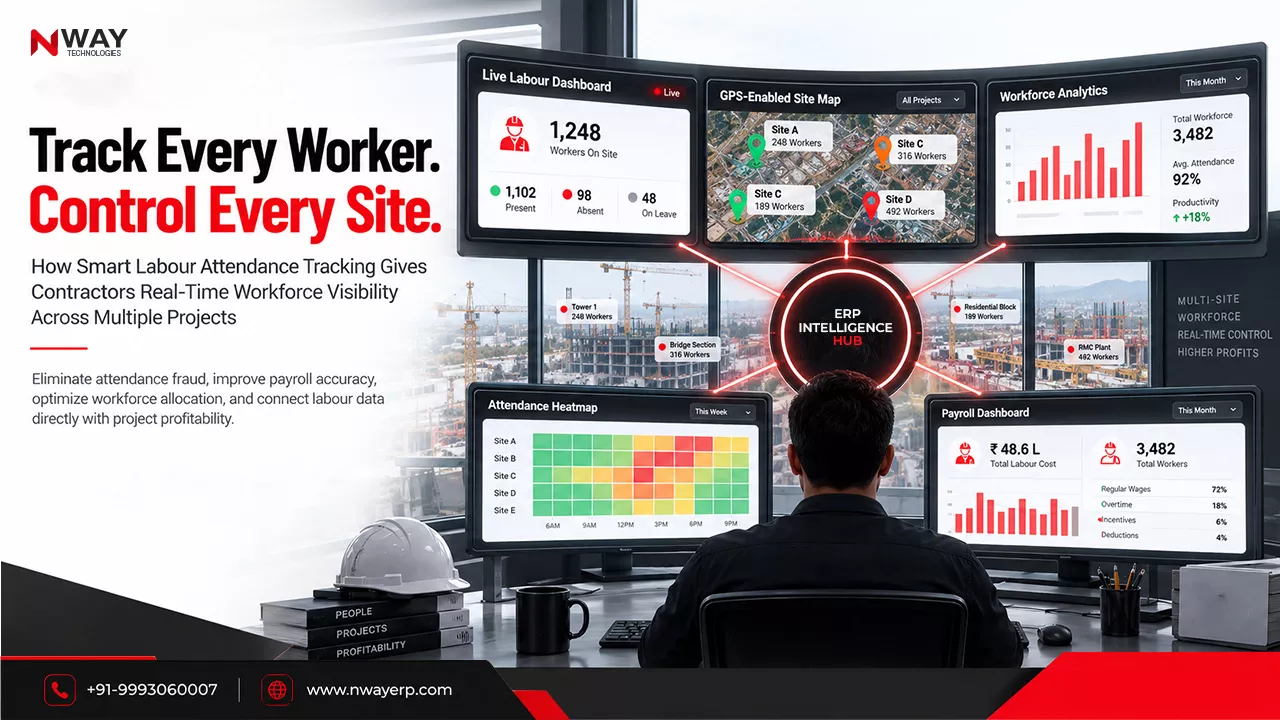
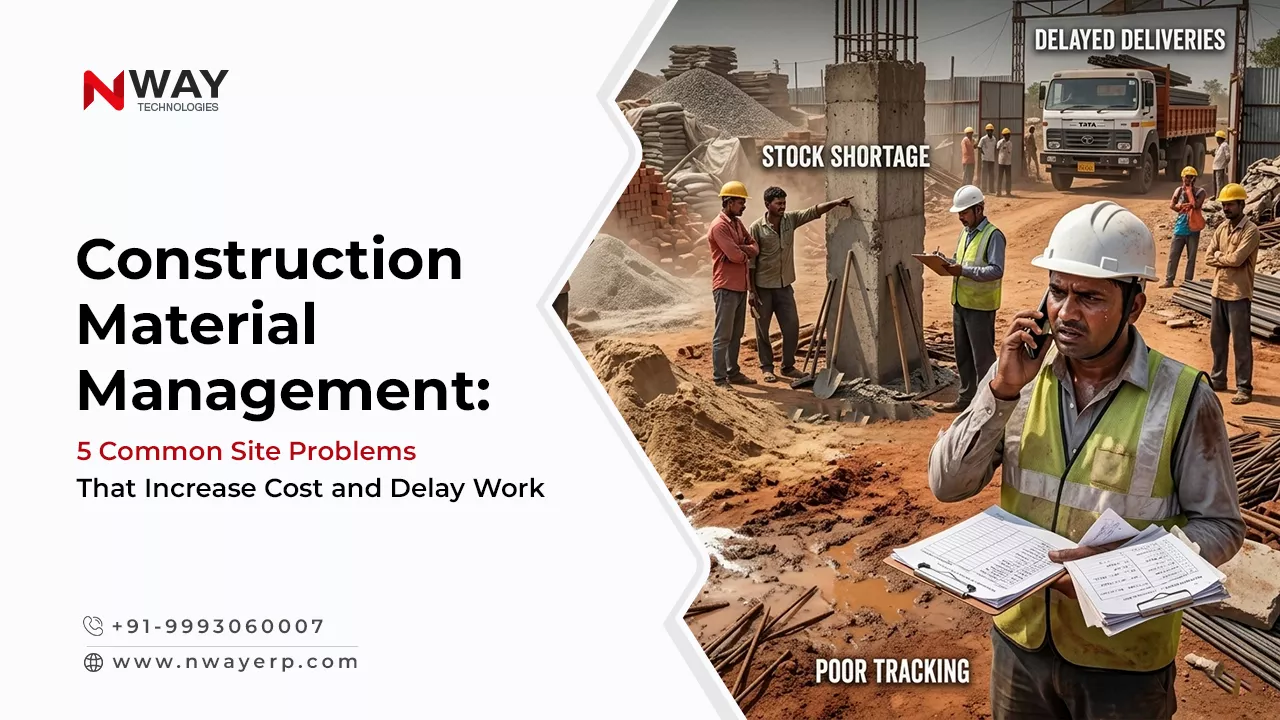
Many firms operate without unified procurement data, which makes it difficult to clearly track what has been ordered, what has been consumed on-site, and what is still pending. This lack of visibility creates confusion across teams and weakens overall control.
Impact:
- Duplicate orders
- Budget overruns
- Inventory mismanagement
2. Unstructured Procurement Workflow
When there is no clearly defined procurement process, from material requests to vendor quotations, purchase orders, and material reconciliation in construction, the entire system becomes disorganised. Teams rely on ad hoc decisions rather than structured workflows, leading to gaps in accountability, tracking, and inventory control. Without proper material reconciliation, it becomes difficult to monitor material consumption, identify wastage, and ensure that procured quantities align with actual site usage.
For example, contractors often face significant financial losses due to duplicate orders, discrepancies between purchased and consumed materials, and unmonitored procurement activities within a single project. Such situations highlight how the absence of structure directly affects profitability, operational efficiency, and overall project cost control.
3. Price Fluctuations and Late Purchasing
Material prices are highly volatile, and delays in procurement decisions often result in last-minute purchases. This not only drives up costs but can also compromise quality due to limited vendor options at the time of need.
Additionally, global supply chain disruptions further intensify these challenges by creating uncertainty, delays, and unexpected cost escalations, making it harder for teams to plan effectively.
4. Lack of Vendor Comparison
When procurement teams evaluate only a limited number of vendors, they miss out on better pricing, quality, and negotiation opportunities. A broader vendor comparison allows for more competitive decision-making and improved cost control.
Even small cost efficiencies in material procurement can have a meaningful impact on overall project profitability, given how significant material costs are in construction projects.
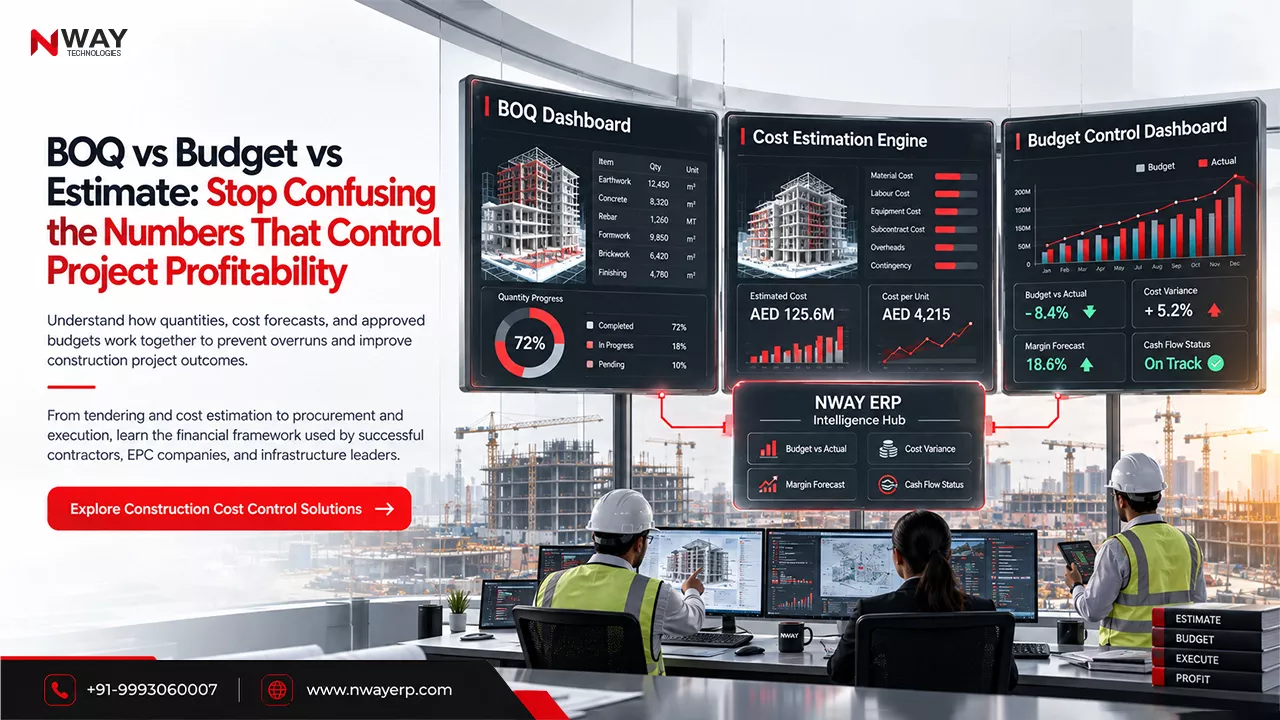
5. Inaccurate BOQ and Planning Gaps
Differences between estimated and actual material requirements create serious operational issues. Inaccurate planning often leads to:
Overstocking, which blocks working capital and increases holding costs. Understocking, which causes site delays and disrupts project timelines
Poor bill of quantities analysis ultimately weakens margin control and reduces predictability in project outcomes.
6. Communication Breakdowns Across Stakeholders
Procurement involves coordination between multiple teams, including site engineers, project managers, finance teams, and vendors. Any breakdown in communication can create bottlenecks and inefficiencies.
This often results in:
- Delayed approvals
- Missed quotation requests
- Last-minute decision-making
Such gaps in coordination are widely recognized as major contributors to cost overruns and project delays.
7. Lack of Real-Time Cost Tracking
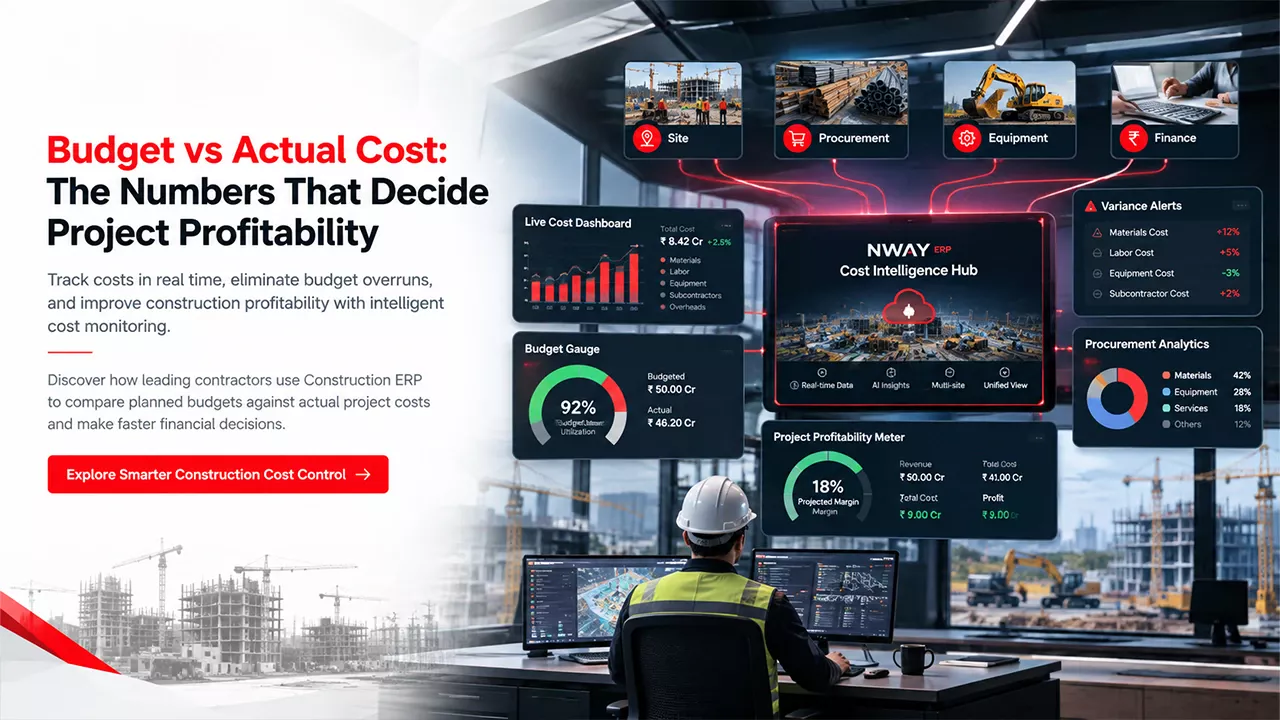
Many companies rely on delayed tracking methods, reviewing procurement costs periodically rather than continuously. This lag makes it difficult to identify and correct deviations in time.
Without real-time visibility into spending, costs tend to escalate unnoticed until it is too late to take corrective action, further impacting project margins, and financial control.
See Where Your Procurement Is Leaking Money
Use Case: Real-World Application of Procurement Failures
Scenario: Mid-size EPC Contractor
- BOQ prepared during tender stage
- Procurement handled via Excel and emails
- Multiple site engineers placing independent orders
Outcome:
- Duplicate orders of cement and steel
- 10–15% higher material cost due to last-minute procurement
- Project delay of 3 weeks
This is not an exception it is a recurring industry trend.
Digitising Construction Procurement
To address these challenges, companies are shifting toward ERP-driven construction procurement processes.
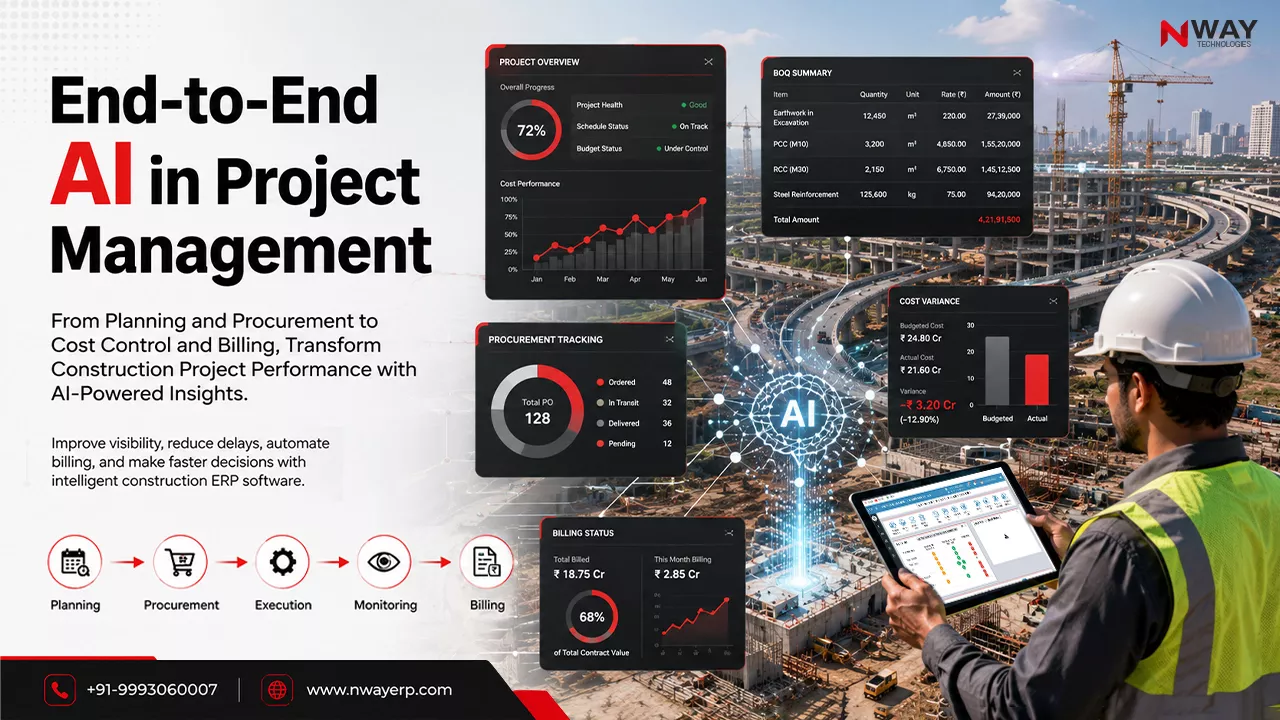
Modern solutions enable:
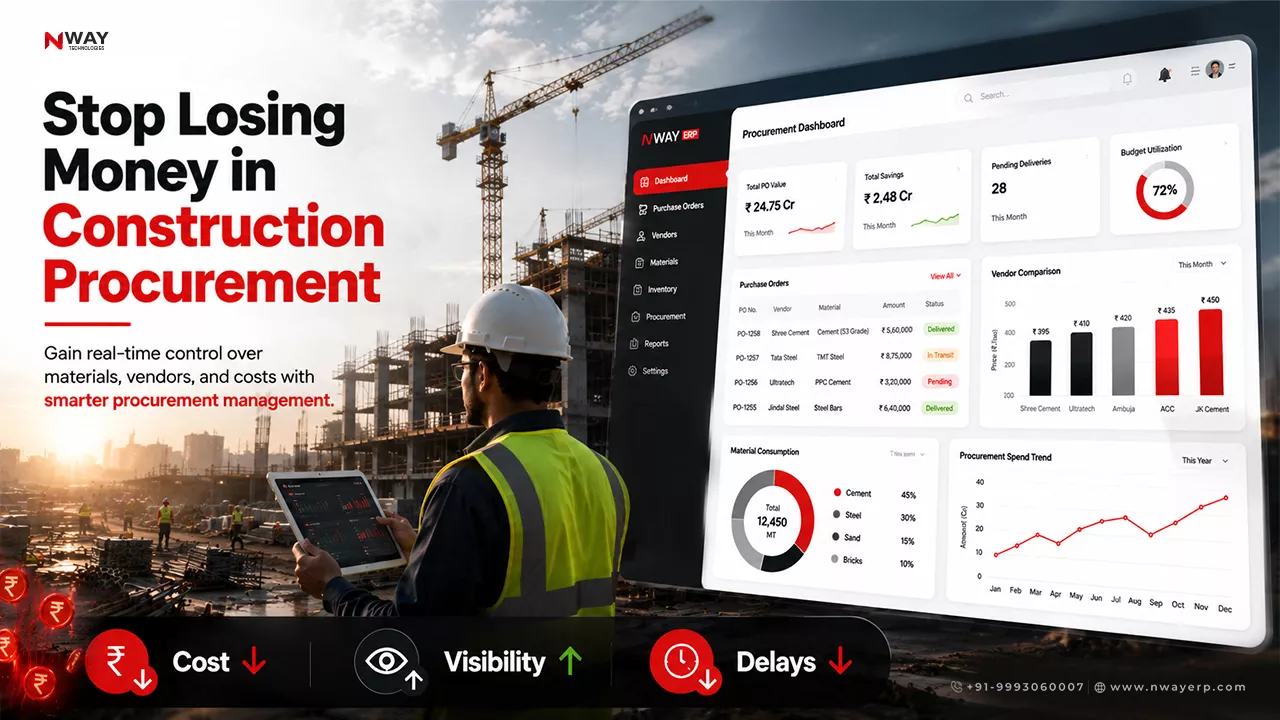
- Centralized procurement workflows
- Automated RFQ comparisons
- Budget-linked purchasing
- Real-time cost tracking
- Vendor performance analytics
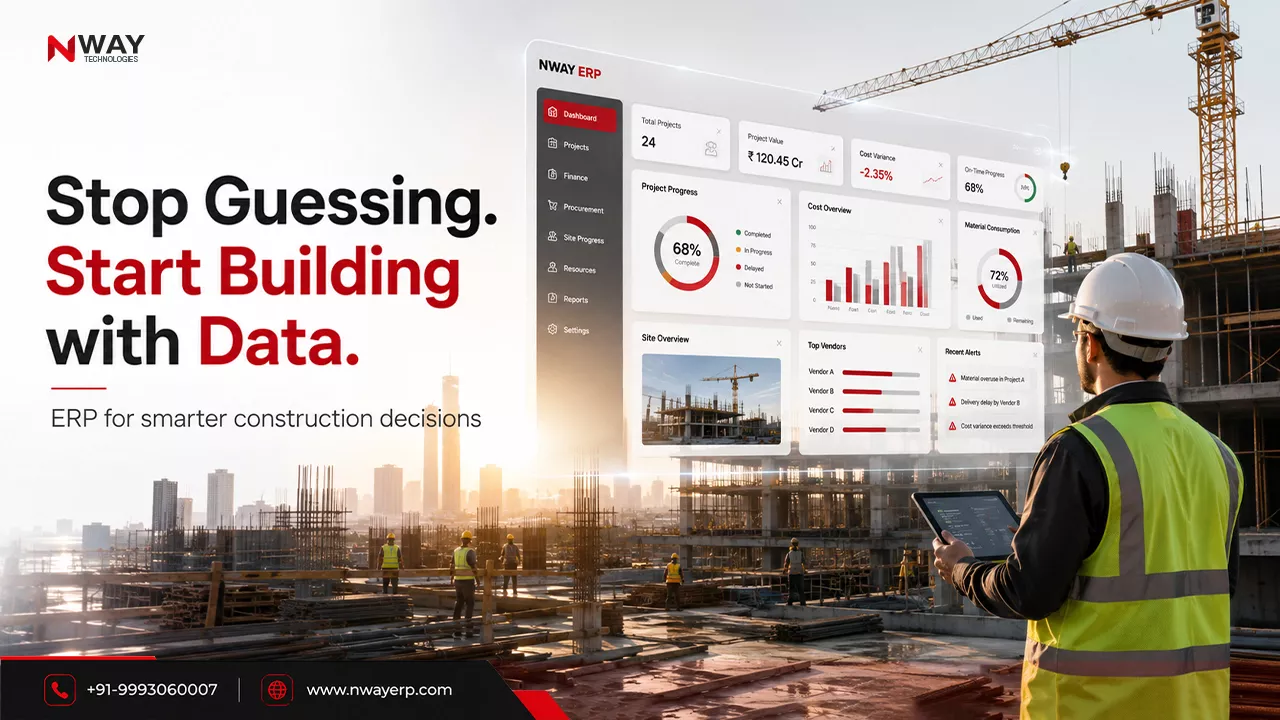
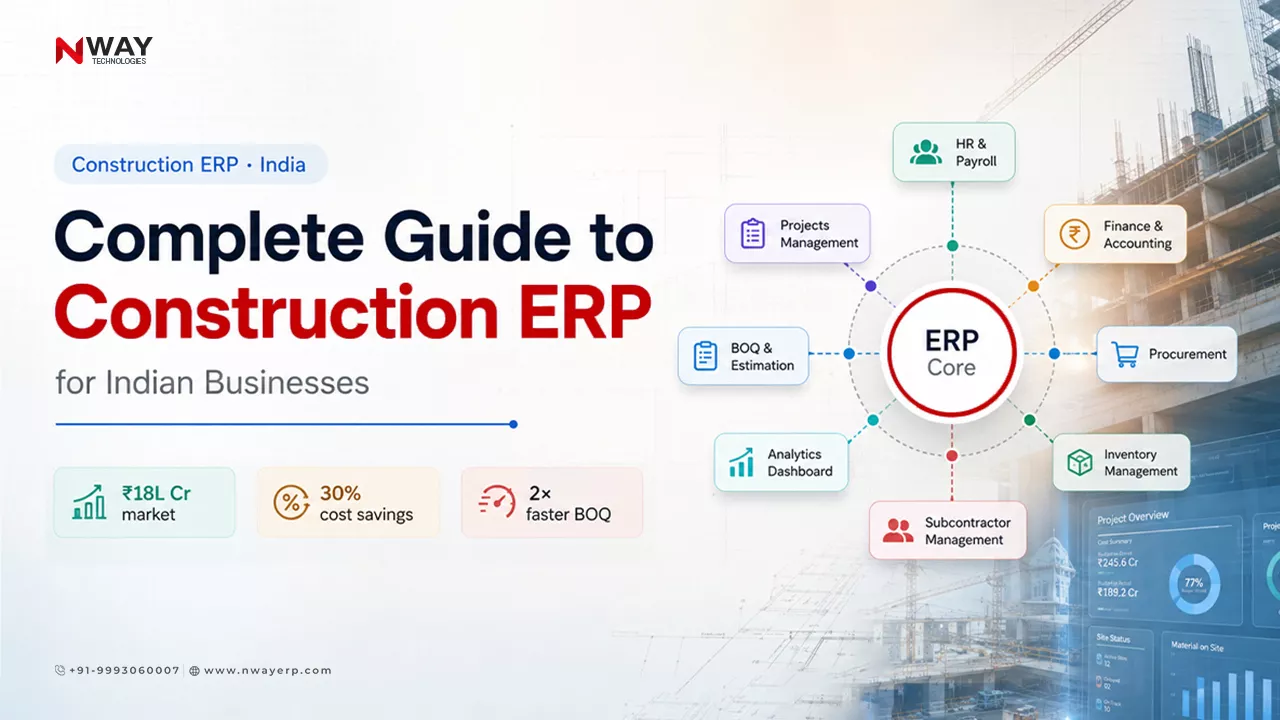
ERP systems bring procurement, inventory, and project management into one unified environment, improving coordination and control.
Why Nway ERP is the answer
This is where domain-specific ERP solutions like Nway ERP play a transformative role.
Instead of generic systems, construction-focused ERP platforms are built around:
- BOQ-driven procurement planning
- Integrated MR → RFQ → PO workflow
- Real-time site-level visibility
- Multi-project cost tracking
- Vendor and inventory management
By aligning procurement with project lifecycle and financial data, such solutions help:
- Reduce procurement cost leakages
- Improve decision-making
- Enhance accountability
Without sounding promotional, what matters is not the tool, but the ability to gain control, visibility, and predictability in procurement.
Conclusion
The construction industry doesn’t lose money because of one big mistake. It loses money through hundreds of small procurement inefficiencies.
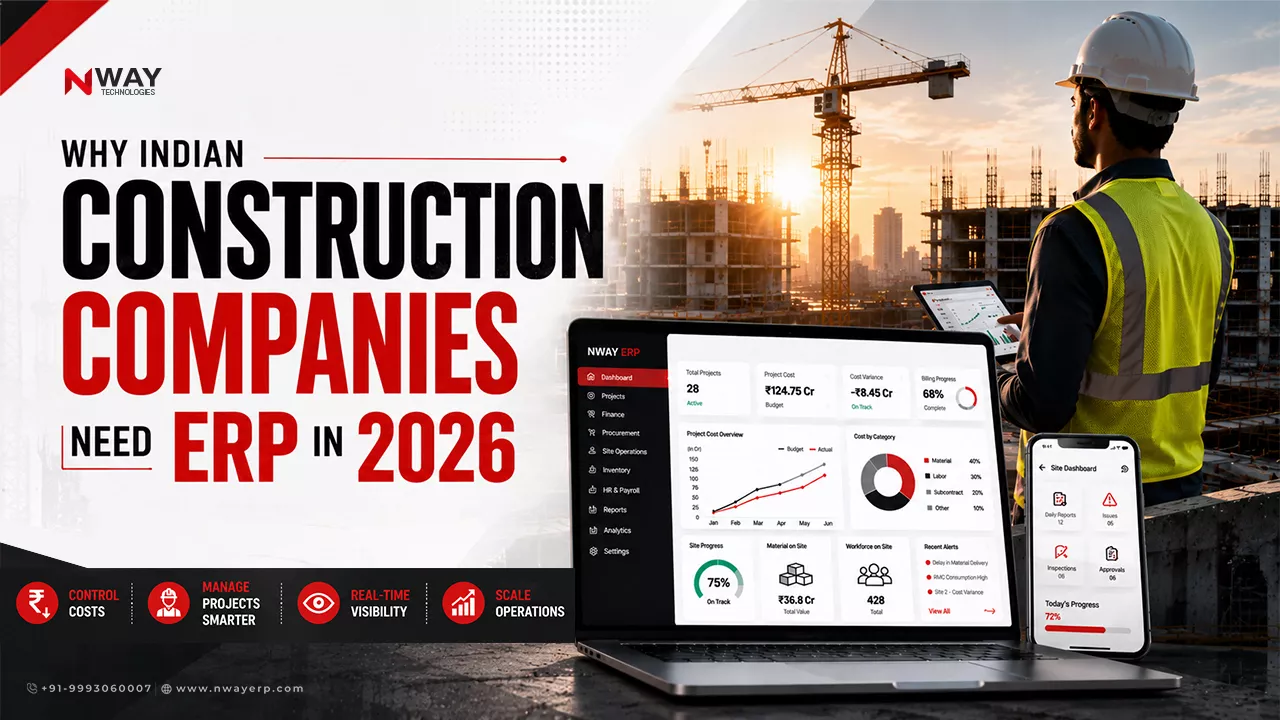
From delayed RFQs to poor vendor selection, these issues compound into major financial losses. As projects become more complex and data-driven, this is precisely why a construction company needs ERP in 2026 to streamline procurement, improve visibility, automate workflows, and maintain control over costs across projects and sites.
The companies that succeed are not necessarily those that negotiate harder but those that manage procurement smarter. By leveraging modern ERP systems, they can make informed decisions faster, reduce procurement bottlenecks, and turn operational efficiency into a competitive advantage.
Key Takeaways
- Construction procurement directly impacts 40–60% of project costs
- Poor procurement processes are a major cause of cost overruns and delays
- Manual workflows lack visibility, control, and scalability
- Real-time procurement tracking is critical for cost control
- ERP-driven systems enable structured, efficient procurement management
Streamline Procurement. Reduce Costs. Deliver On Time.