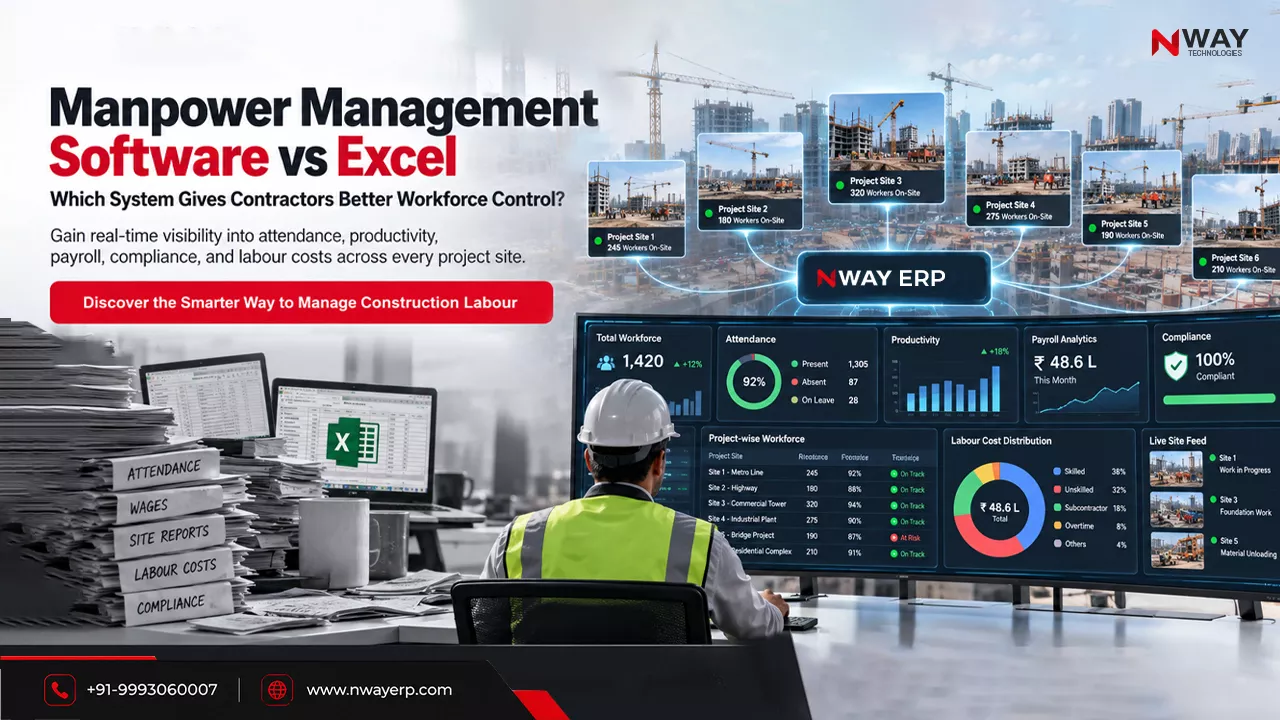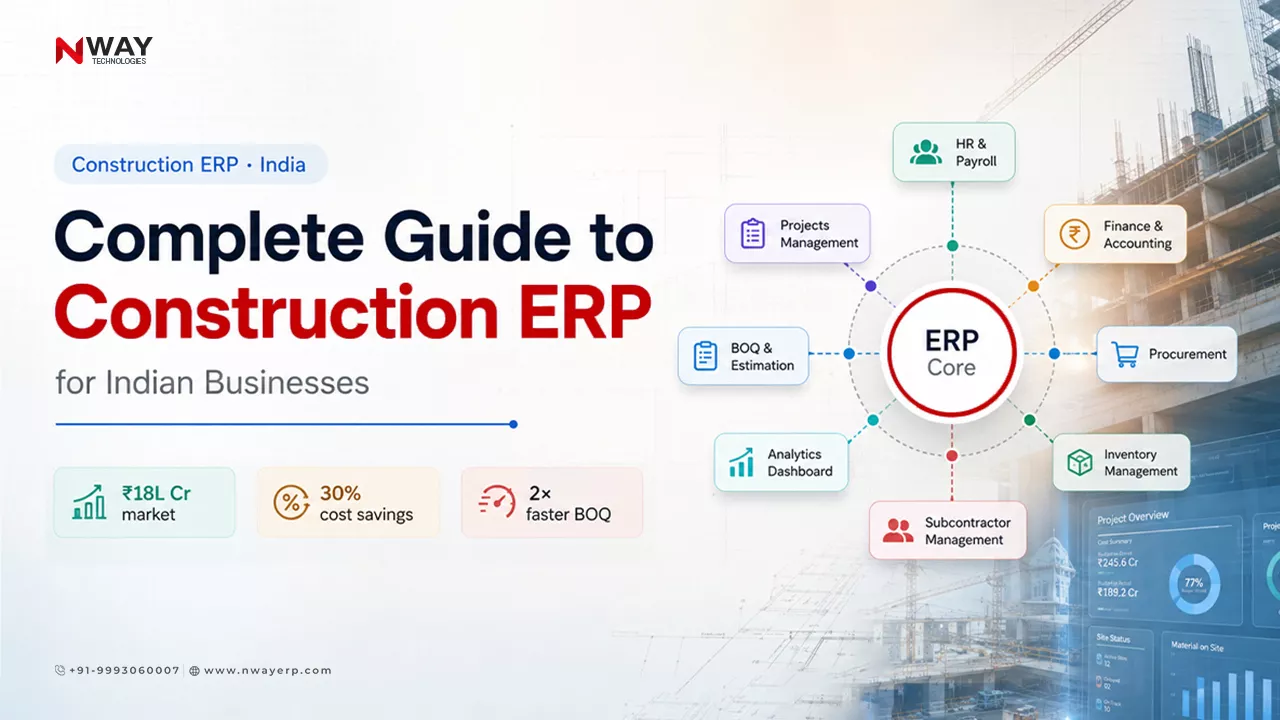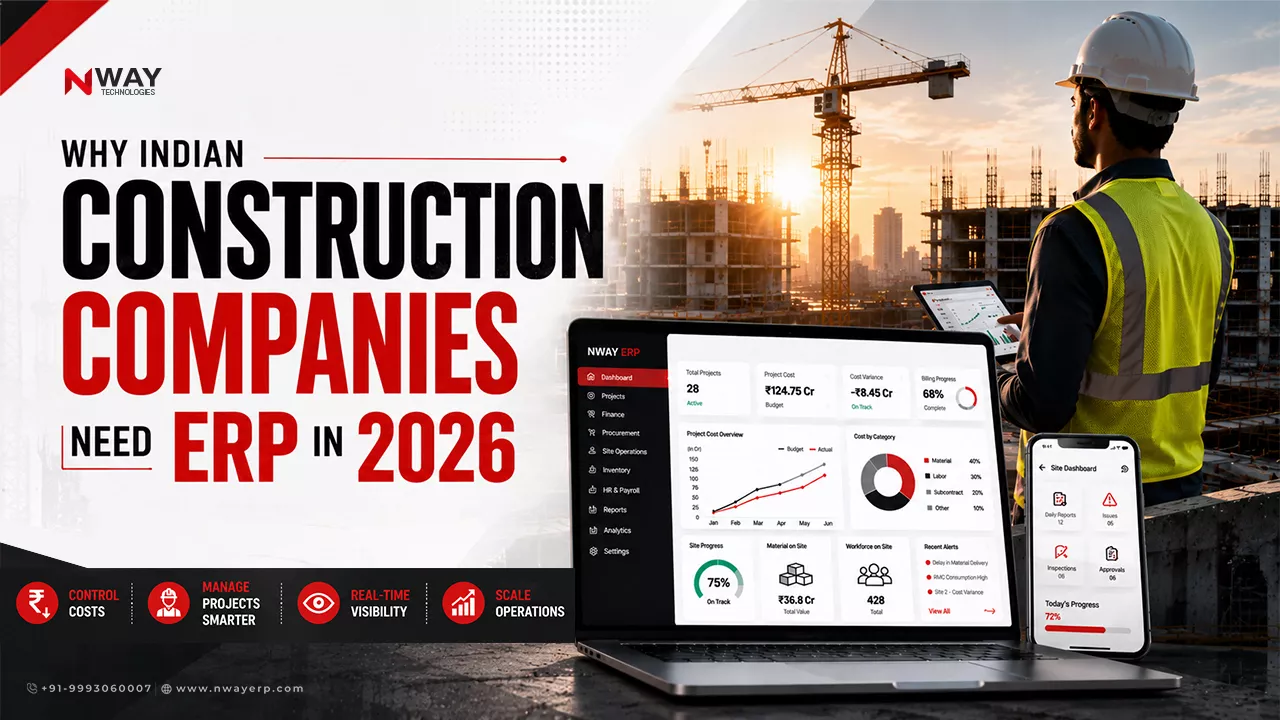
Infrastructure projects are complex. They involve multiple teams, budgets, timelines, and compliance requirements. Managing everything with spreadsheets and disconnected systems is slow, error-prone, and costly. That’s where Infrastructure ERP software comes in. This type of software connects project planning, finances, resources, and reporting into a single, real-time system. With Infrastructure ERP software, infrastructure companies can track costs, manage resources, generate instant reports, and make decisions quickly. In short, an ERP system simplifies complexity, reduces risks, and keeps projects on time and budget.
Table of Contents:
- What Is Infrastructure ERP Software?
- Why the Infrastructure Industry Needs ERP
- Key Benefits of Infrastructure ERP Software
- Infrastructure ERP and Construction Collaboration
- How Nway ERP Helps Infrastructure Businesses Win
- Comparing With and Without ERP
What Is Infrastructure ERP Software?
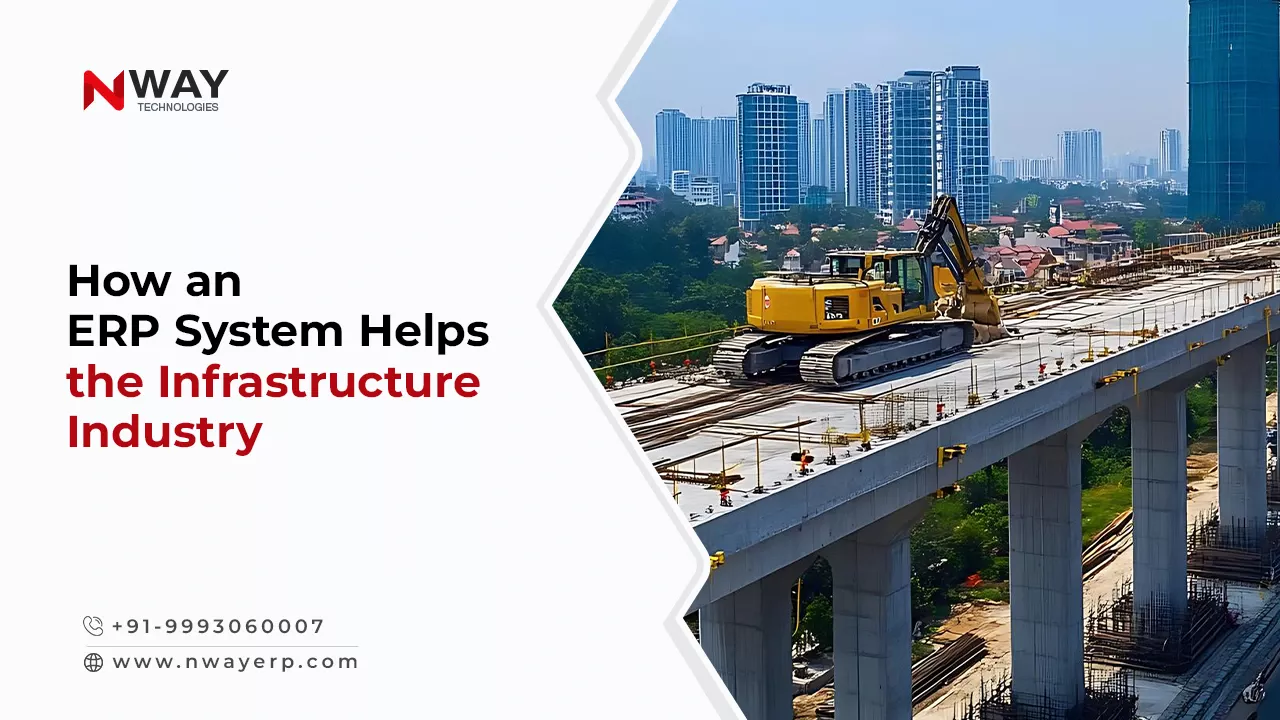
Infrastructure ERP software is a digital platform that integrates all functions of infrastructure projects. It combines project management, finance, procurement, reporting, and field operations into one system. This eliminates the need for separate tools for each department, giving managers a complete view of their projects at any time.
For example, instead of juggling multiple spreadsheets for costs, labour, and equipment, teams can access everything from one dashboard. This improves visibility, speeds up decisions, and reduces errors. Using ERP for infrastructure projects ensures all teams are synchronized, reducing miscommunication and inefficiencies.
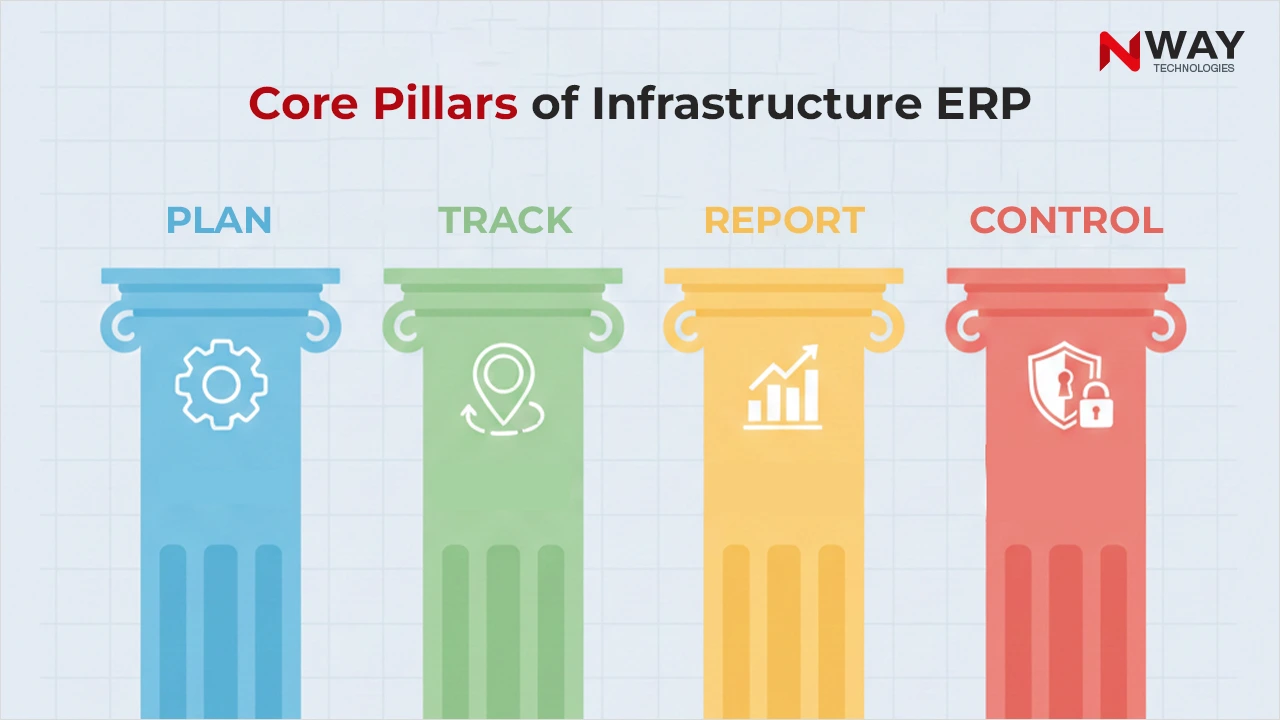
Why the Infrastructure Industry Needs ERP
Large-scale infrastructure projects face several challenges:
Project delays: Different teams work across multiple sites, making coordination difficult.
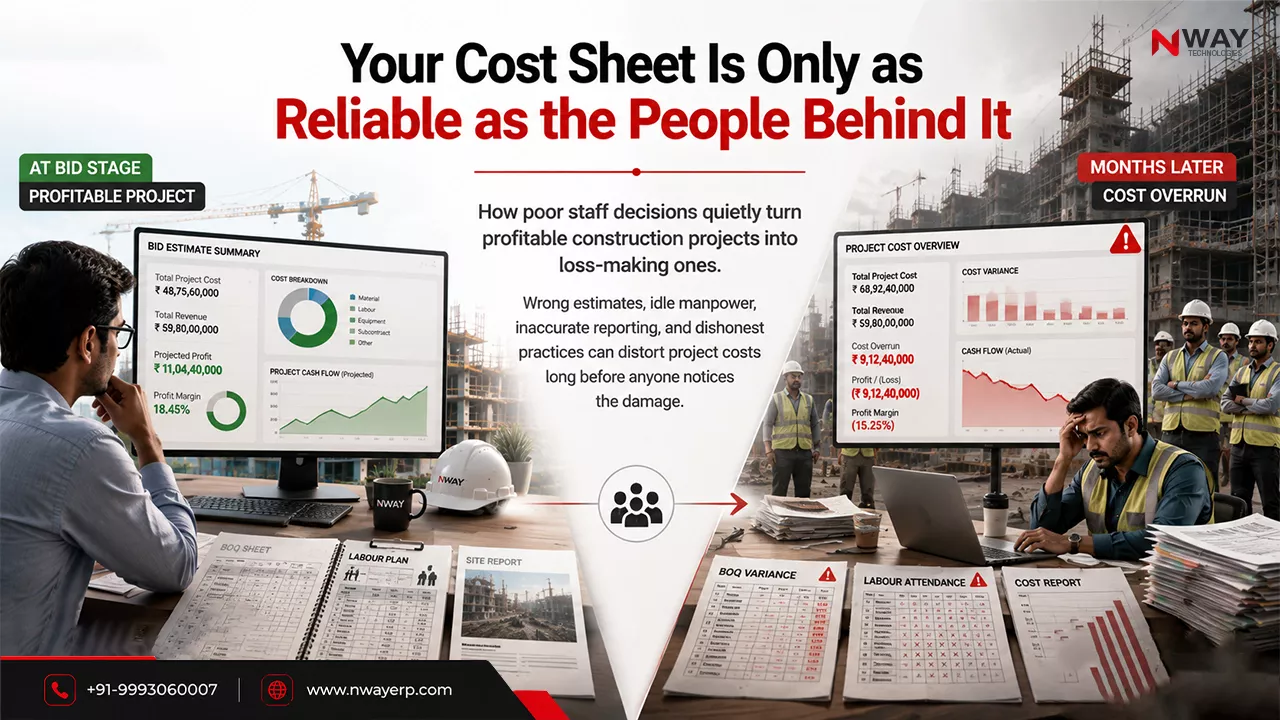
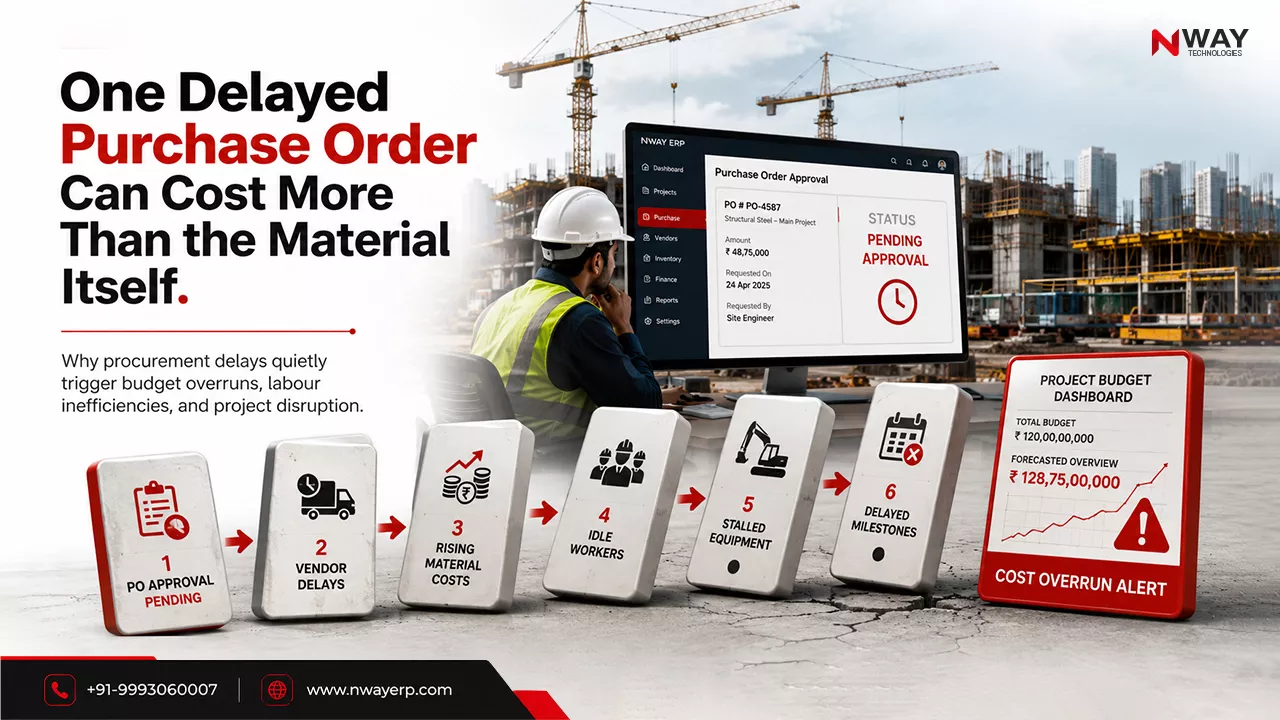
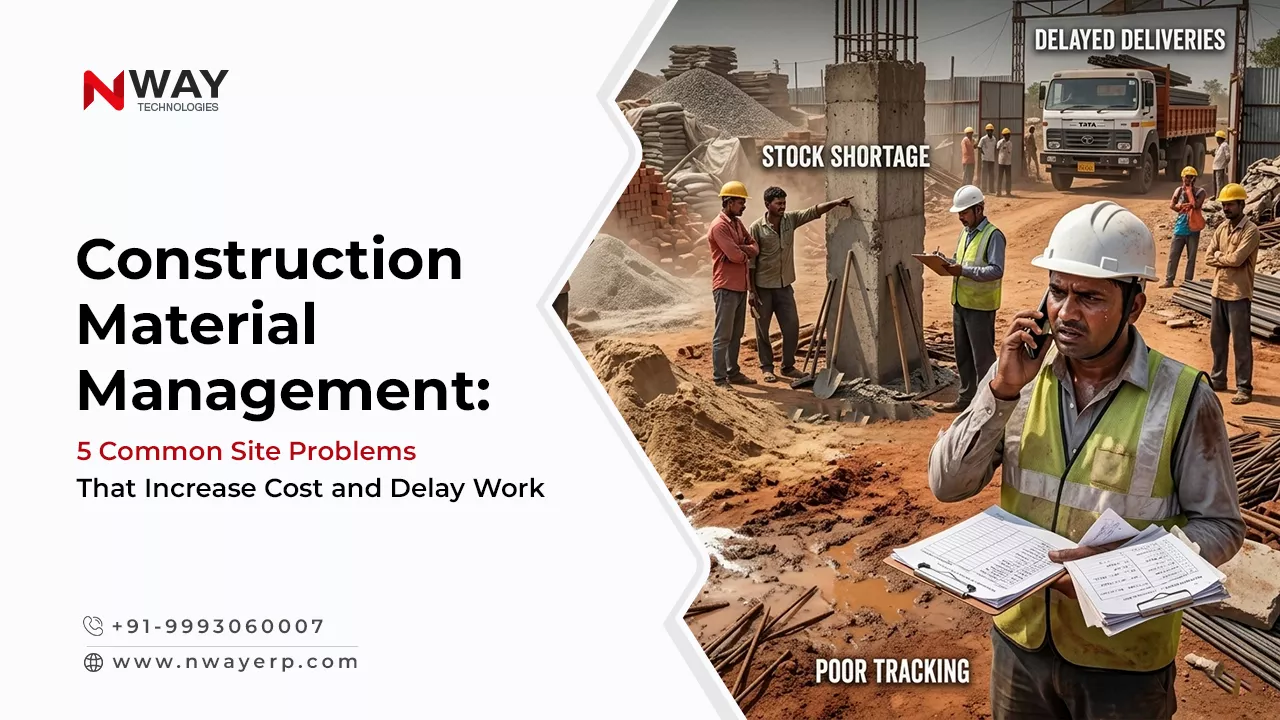
Cost overruns: Without real-time tracking, material and labour costs often exceed budget.
Resource inefficiency: Equipment and workforce may be underutilized or mismanaged.
Compliance risks: Regulatory requirements demand detailed documentation and reporting.
These issues can be solved by implementing an ERP system for infrastructure industry, which centralizes data, automates processes, and gives managers a single source of truth. By adopting an Infrastructure project management ERP, companies can reduce errors, improve collaboration, and maintain control over complex projects.
Key Benefits of Infrastructure ERP Software
Implementing Infrastructure ERP software brings measurable improvements across projects. From planning and reporting to cost control and compliance, it streamlines operations so teams can work efficiently and make data-driven decisions.
Better Planning and Project Control
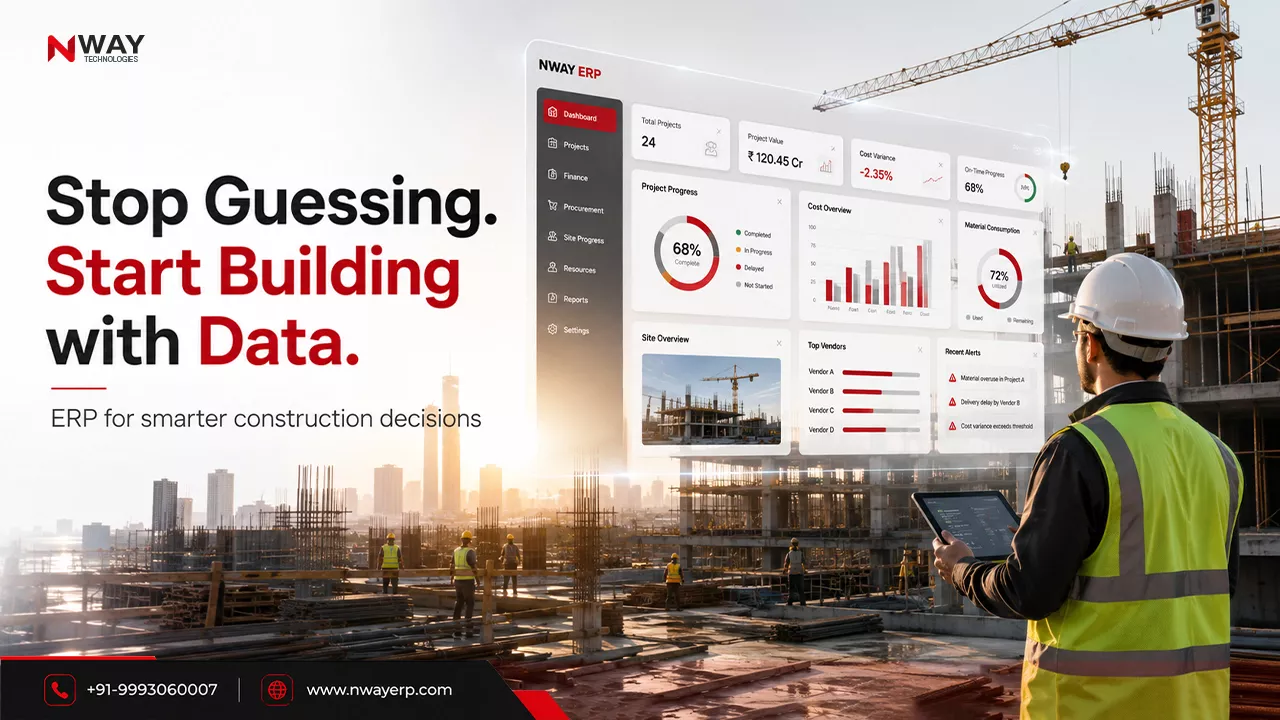
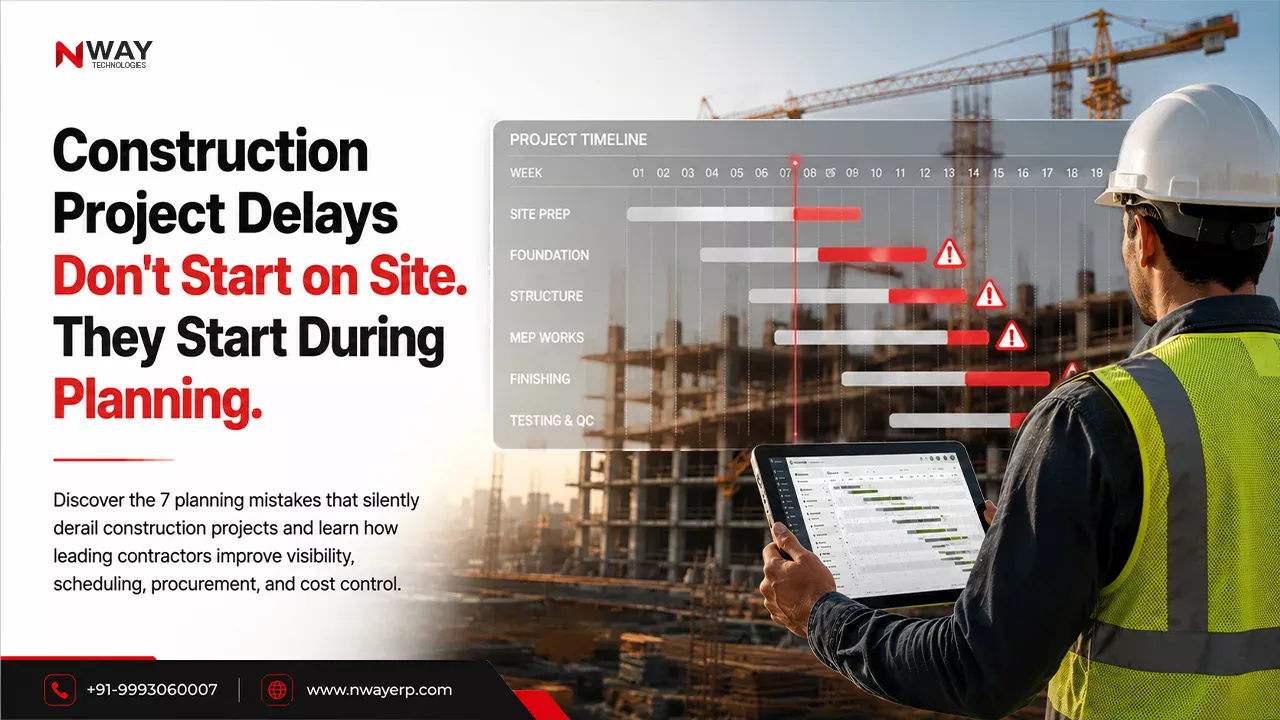
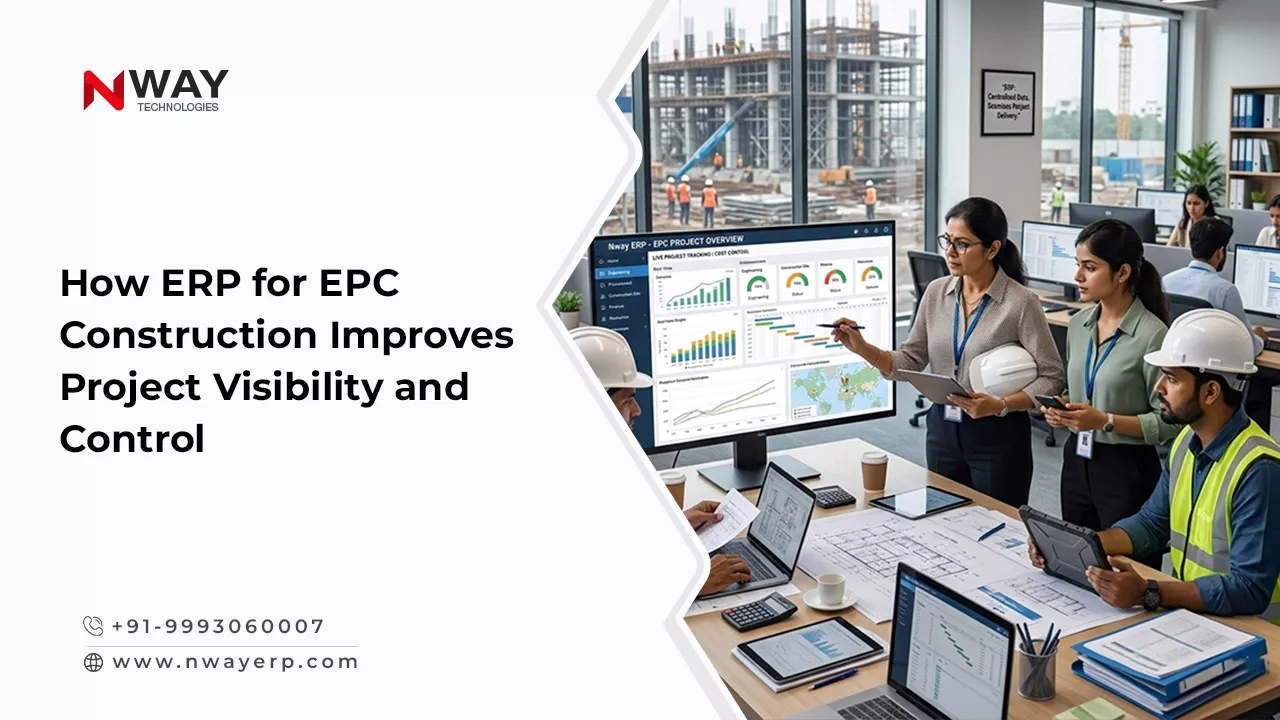
An Infrastructure project management ERP gives managers real-time insights into every project. They can track budgets, timelines, and resource allocation instantly. This reduces delays and improves decision-making. Implementing Infrastructure ERP software ensures teams can plan more accurately and adjust quickly when changes occur.
56% of organizations report that ERP improves decision-making processes.
Real-Time Reporting
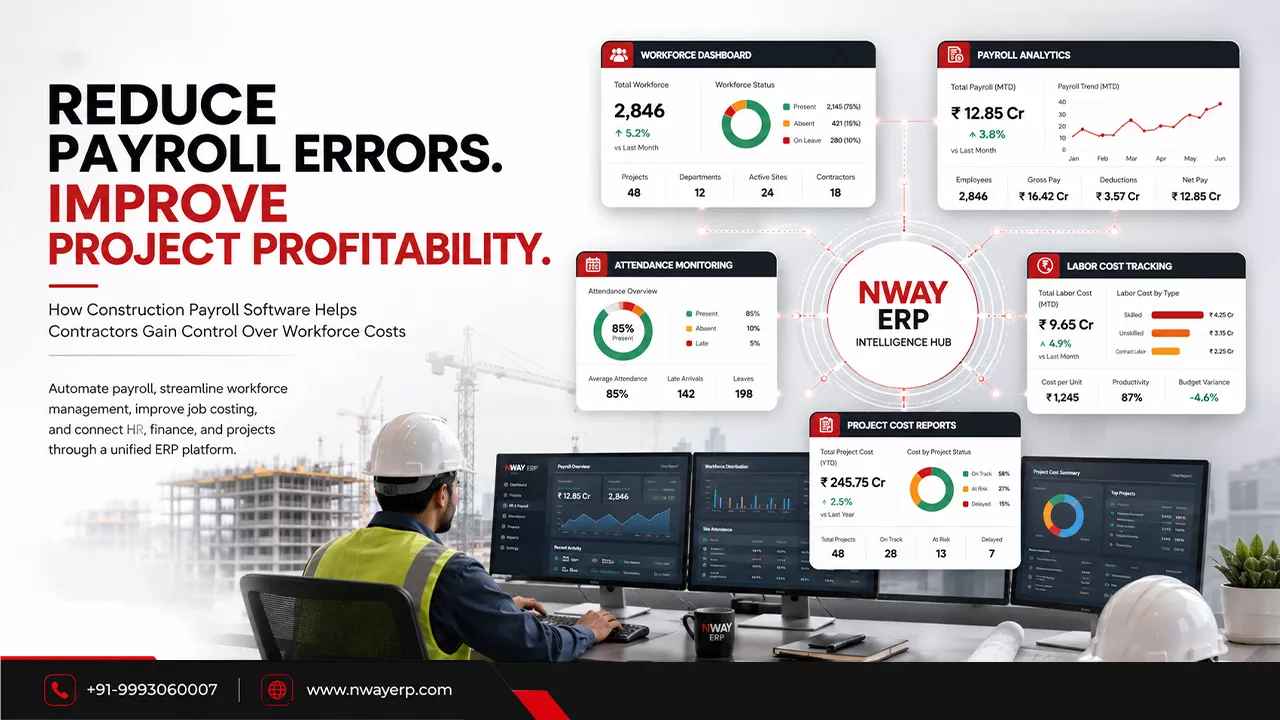
ERP consolidates data from all teams, allowing instant reporting instead of waiting for manual updates. Managers can forecast costs, track KPIs, and make informed decisions quickly. Using ERP for infrastructure projects, stakeholders gain access to dashboards and real-time insights that improve overall efficiency.
71% of companies use ERP data for predictive analytics and project forecasting.
Cost and Waste Reduction
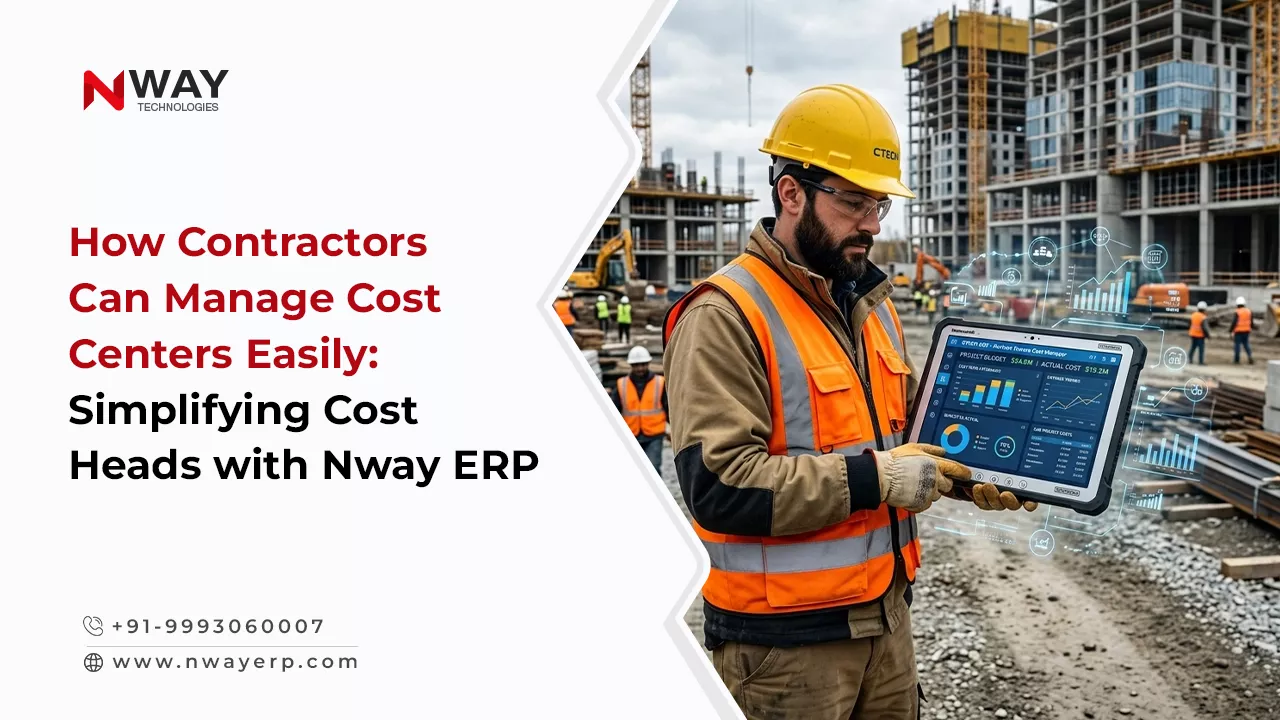
By tracking costs and resources in real-time, an Infrastructure ERP software or Construction management ERP software helps reduce waste and prevent budget overruns. Material usage and labour costs are optimized automatically. Companies adopting ERP for Construction save both time and resources by eliminating redundant manual processes.
ERP systems can reduce inventory costs by up to 20%.
Improved Productivity
With all teams using one system, communication is streamlined. Manual reporting drops, errors decrease, and productivity improves. A construction management ERP software ensures office and site teams are fully synchronized, and an Infrastructure ERP software supports efficient project execution across multiple locations.
Discover how intelligent data entry in Nway ERP removes manual errors and speeds up finance cycles.
Stronger Compliance
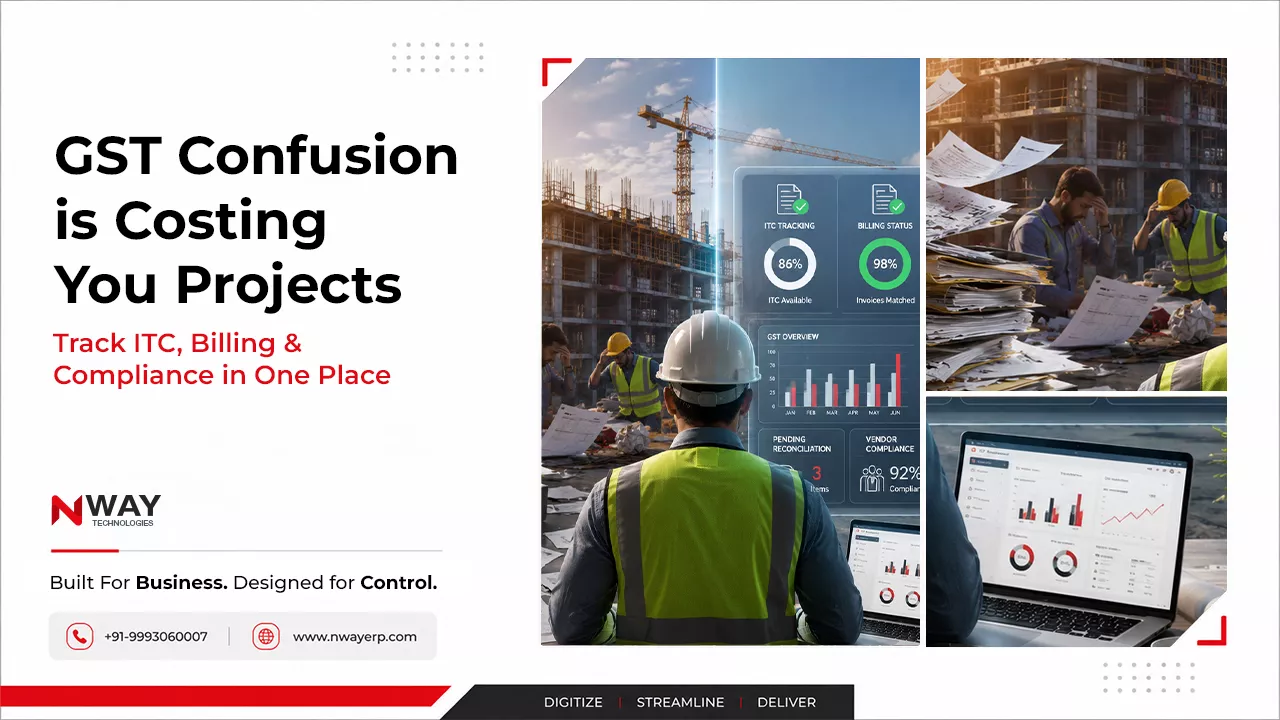
Infrastructure projects must comply with multiple regulations. ERP system for infrastructure industry automatically records approvals, documents, and updates, making audits easier and reducing compliance risks. By implementing an Infrastructure ERP software, companies can meet compliance requirements consistently without extra manual effort.
Infrastructure ERP and Construction Collaboration
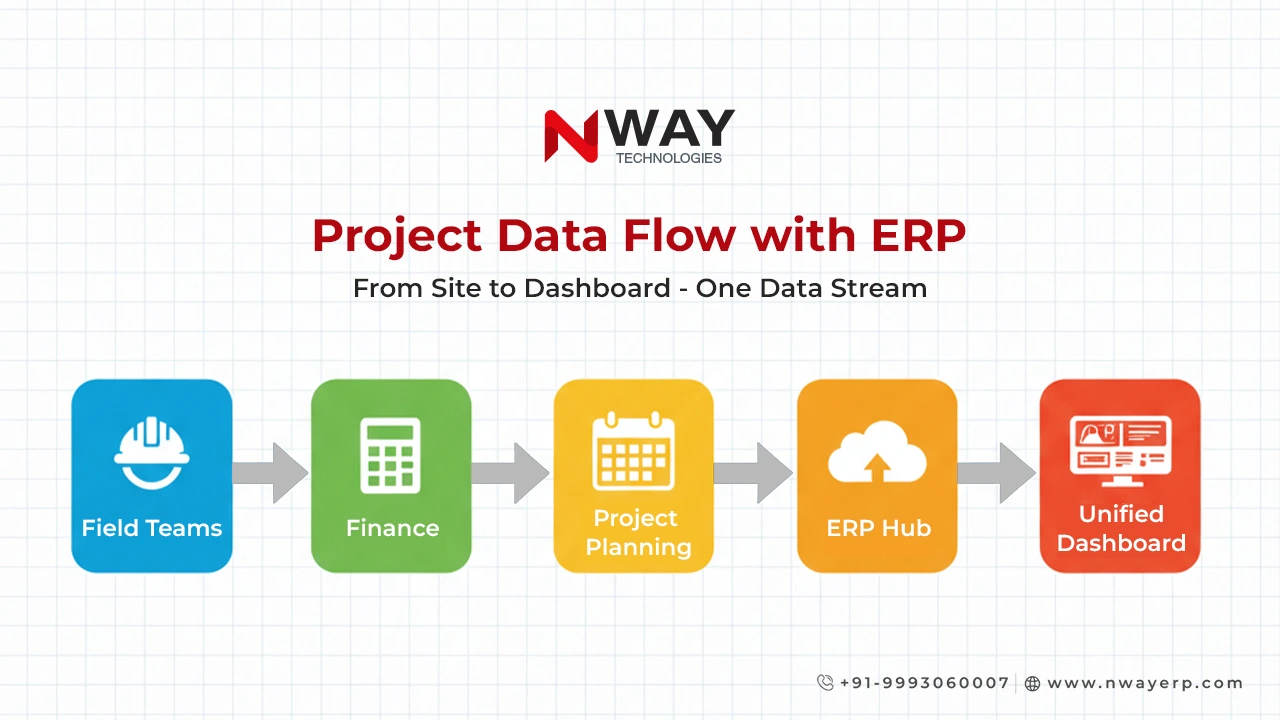
Many infrastructure firms also handle construction management. In these cases, the ERP is referred to as construction management ERP software or ERP for infrastructure projects.
These systems help:
- Track labour and equipment use
- Sync field teams with office planning
- Manage change orders and invoices
- Provide dashboards for project status
This leads to fewer errors and better coordination across teams, ensuring every project benefits from an Infrastructure ERP software system.
How Nway ERP Helps Infrastructure Businesses Win
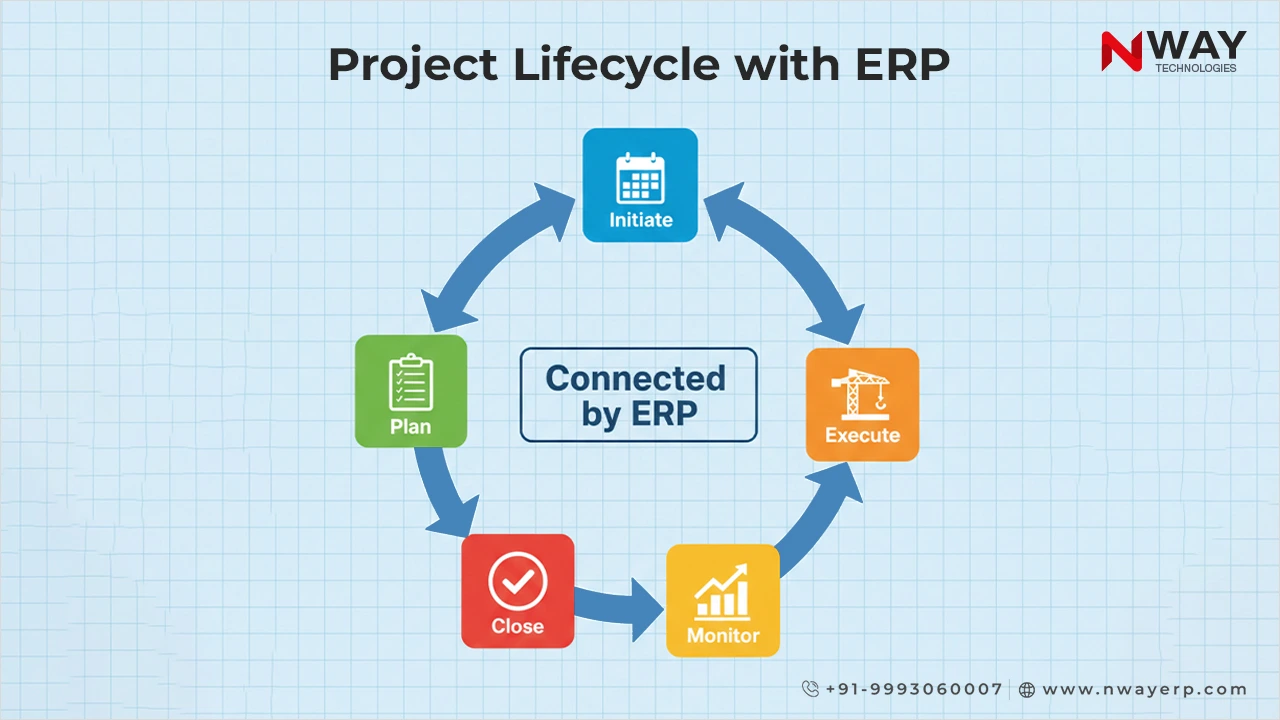
At Nway ERP, we build Infrastructure ERP software that solves the real, day-to-day challenges of project teams.
Unified Project and Finance Views
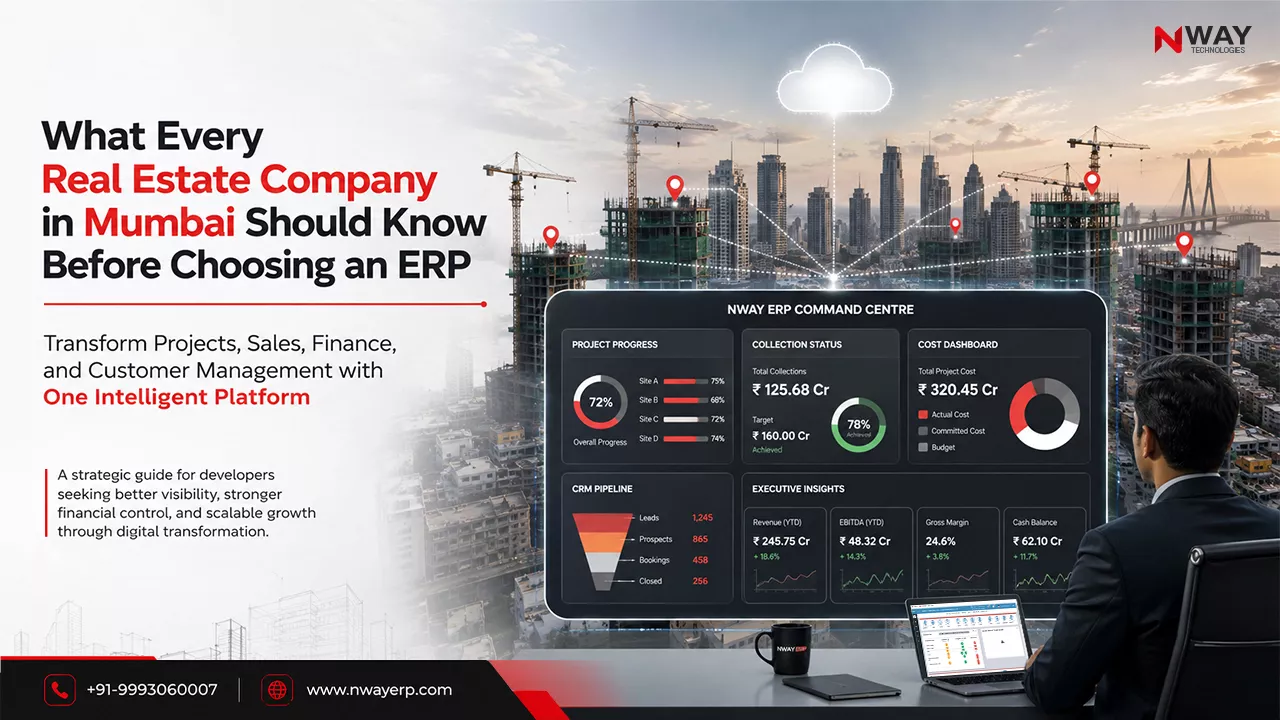
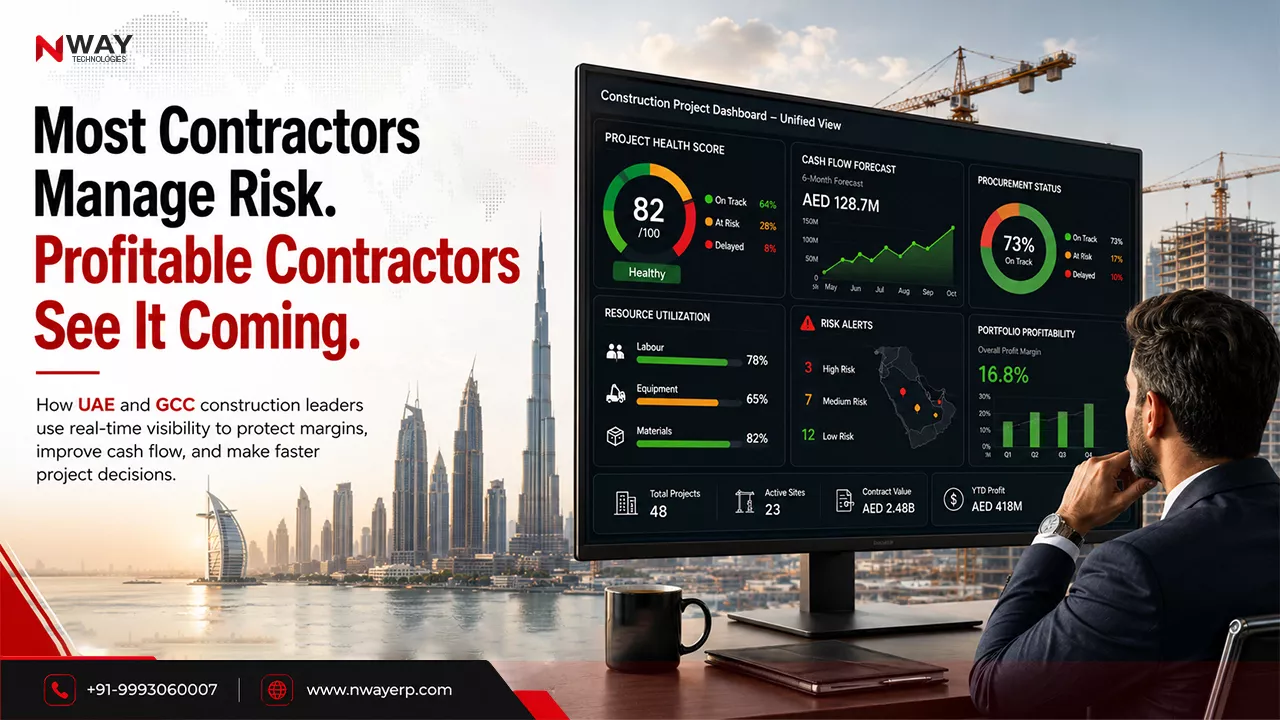
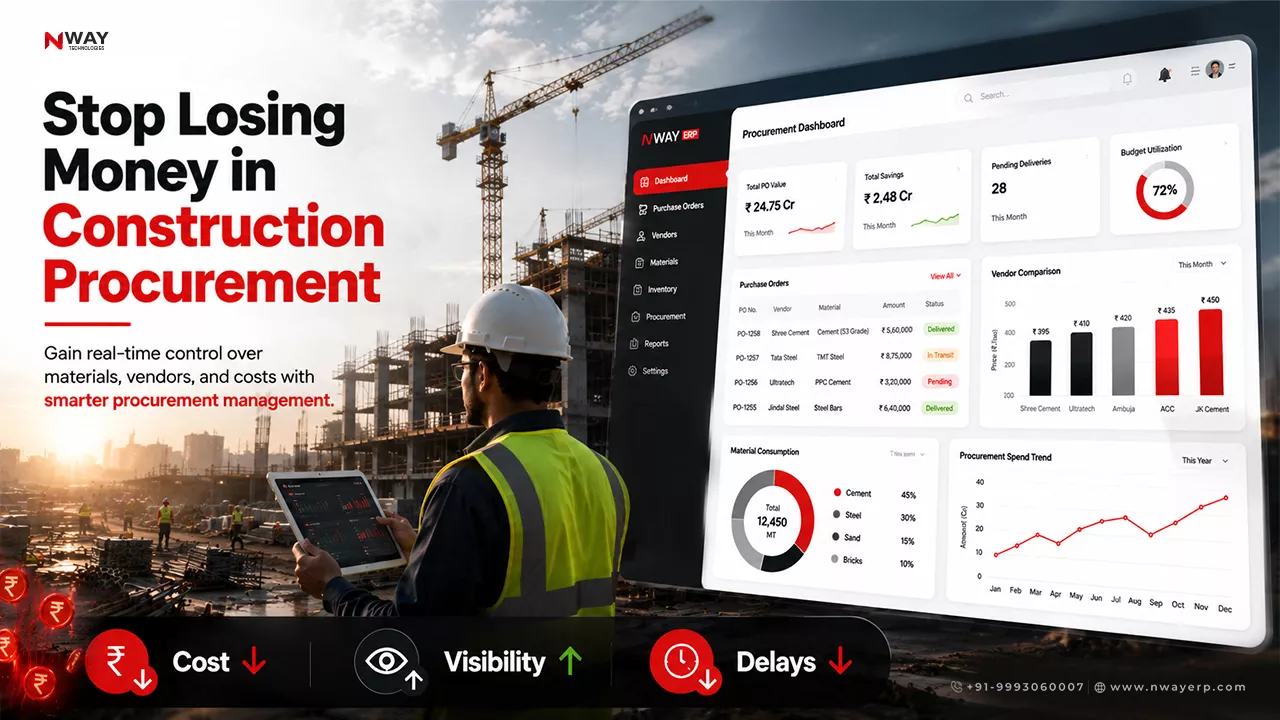
Instead of switching between tools, your project team sees one unified dashboard with cost, resource, and timeline updates. This reduces errors and speeds up decisions.
Faster Reporting and Better Forecasts
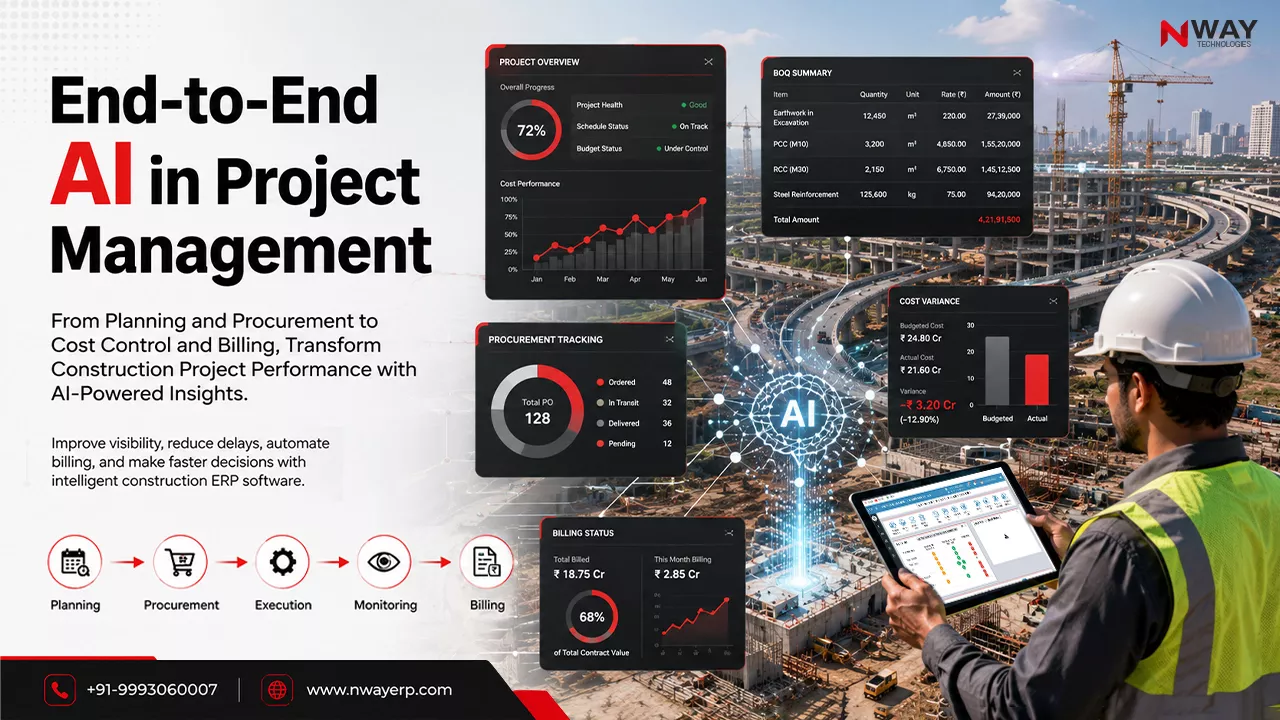
Leaders can ask for instant reports – like resource forecasts or budget variances – without waiting for manual updates. This supports better planning and reduces risks.
Discover how instant reporting from Nway ERP helps you forecast costs and resources with confidence.
Smarter Workflows to Cut Waste
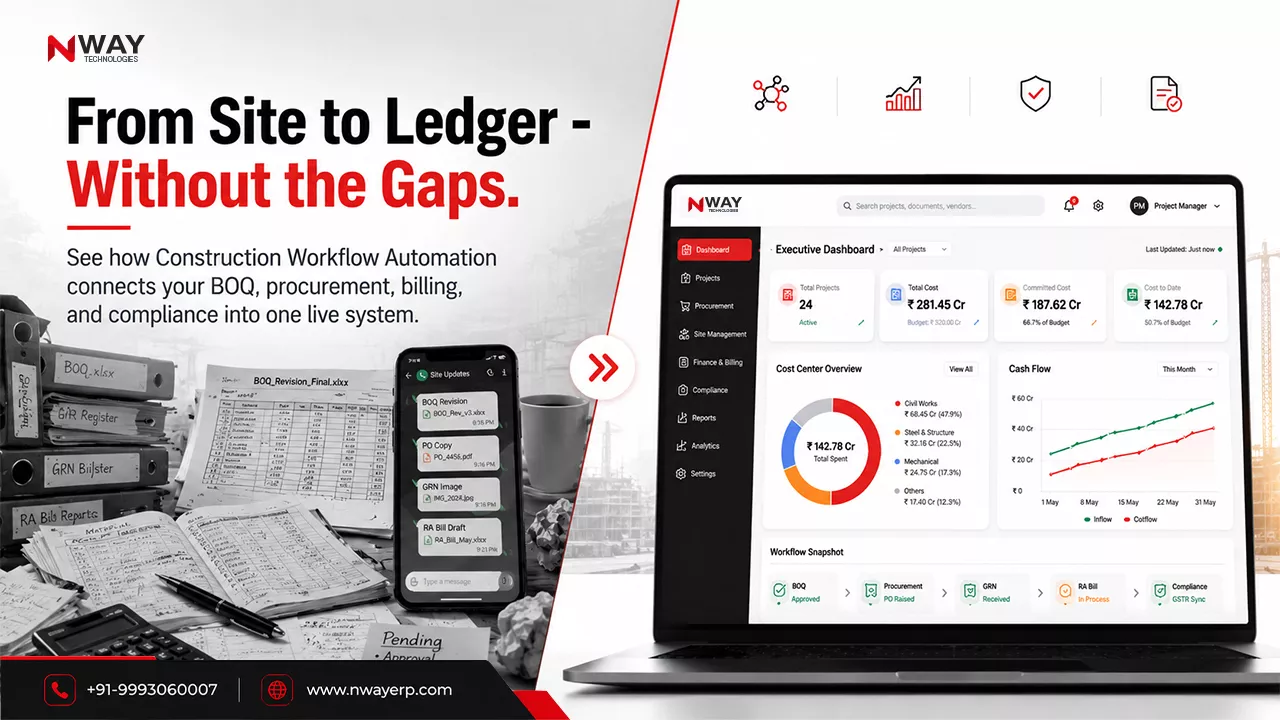
With automated tracking of materials, labour, and finances, teams don’t waste time reconciling spreadsheets. This drives higher productivity and reduces delays.
Nway ERP’s Signature Features That Solve Tough Problems
Nway ERP includes features that tackle long-standing infrastructure pain points:
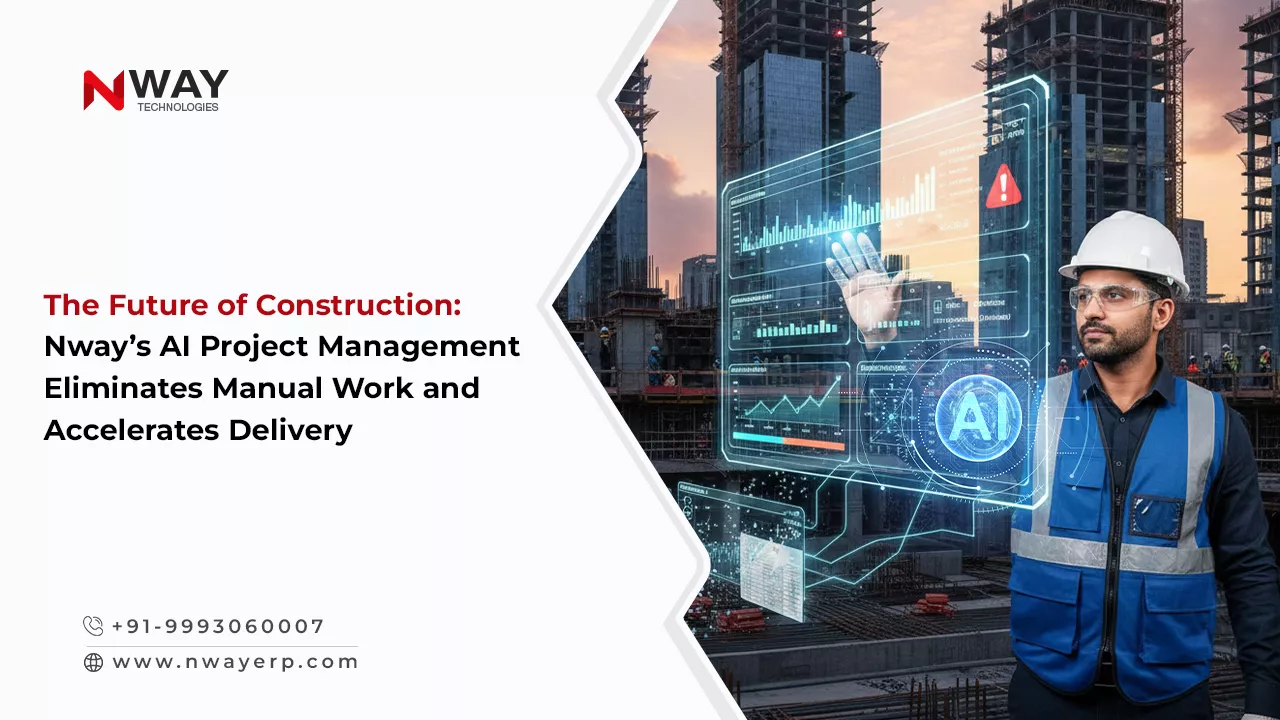
- Smart data requests: Teams get reports or KPI insights in natural language, saving hours of manual reporting.
- Intelligent entry tools: Invoices and field data are captured and matched automatically, reducing manual mistakes and speeding up finance cycles.
- Automated site tracking: Vehicle logs and weighbridge data are captured automatically, ensuring accurate costs and resource tracking.
These tools help teams react faster, reduce manual effort, and make decisions backed by data – all while maintaining a human-friendly interface without making AI the focus.
Comparing With and Without ERP
The difference between working without ERP and using Infrastructure ERP software is clear. Manual processes lead to delays, errors, and cost overruns, while ERP centralizes information, automates workflows, and ensures projects stay on track.
| Without ERP | With Infrastructure ERP Software |
|---|---|
| Manual, delayed reports | Real-time reporting |
| Disconnected systems | Integrated data |
| Frequent errors | Accurate forecasting |
| Poor budget tracking | Controlled costs |
| Compliance risk | Automated compliance |
Conclusion
Infrastructure ERP software is essential for modern infrastructure companies. It simplifies complex projects, improves visibility, reduces costs, and increases productivity. Nway ERP takes this further by solving real industry problems and helping teams deliver projects on time, on budget, and with complete confidence.
Take the next step: Optimize your infrastructure projects with Nway ERP – a solution designed for results.
Learn how infrastructure companies rely on Nway ERP to prevent delays and control costs.