Introduction
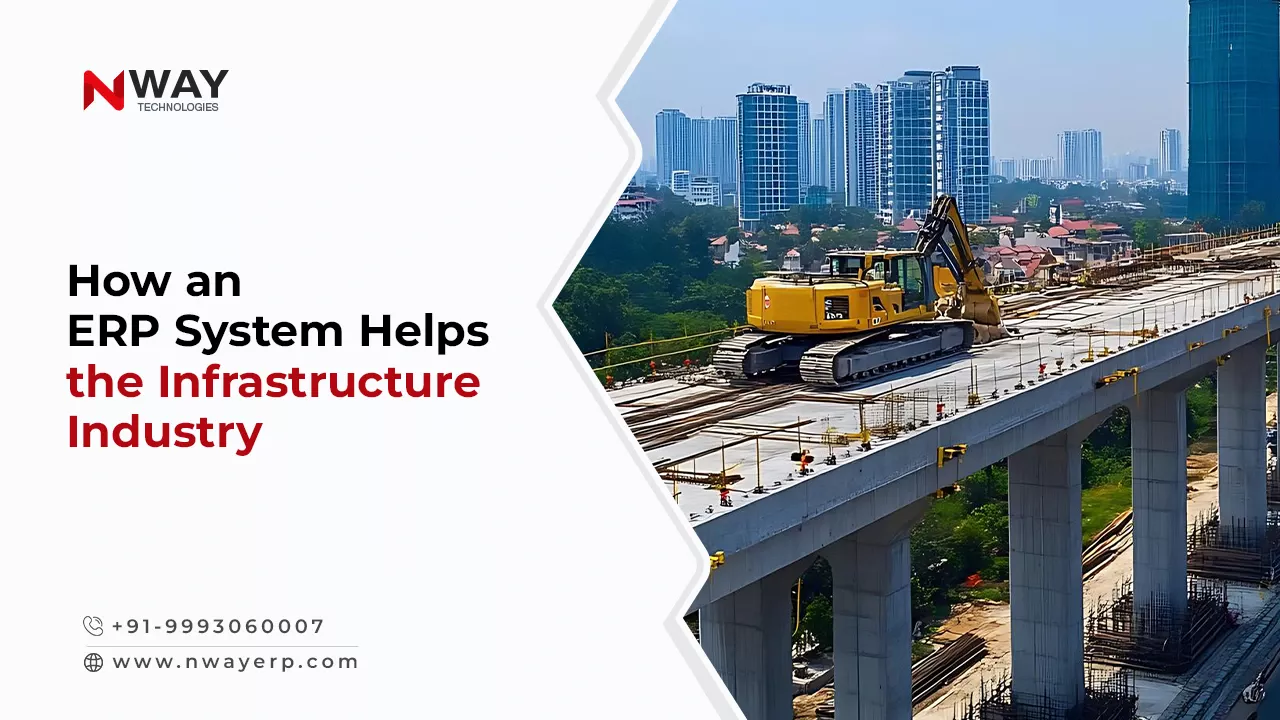
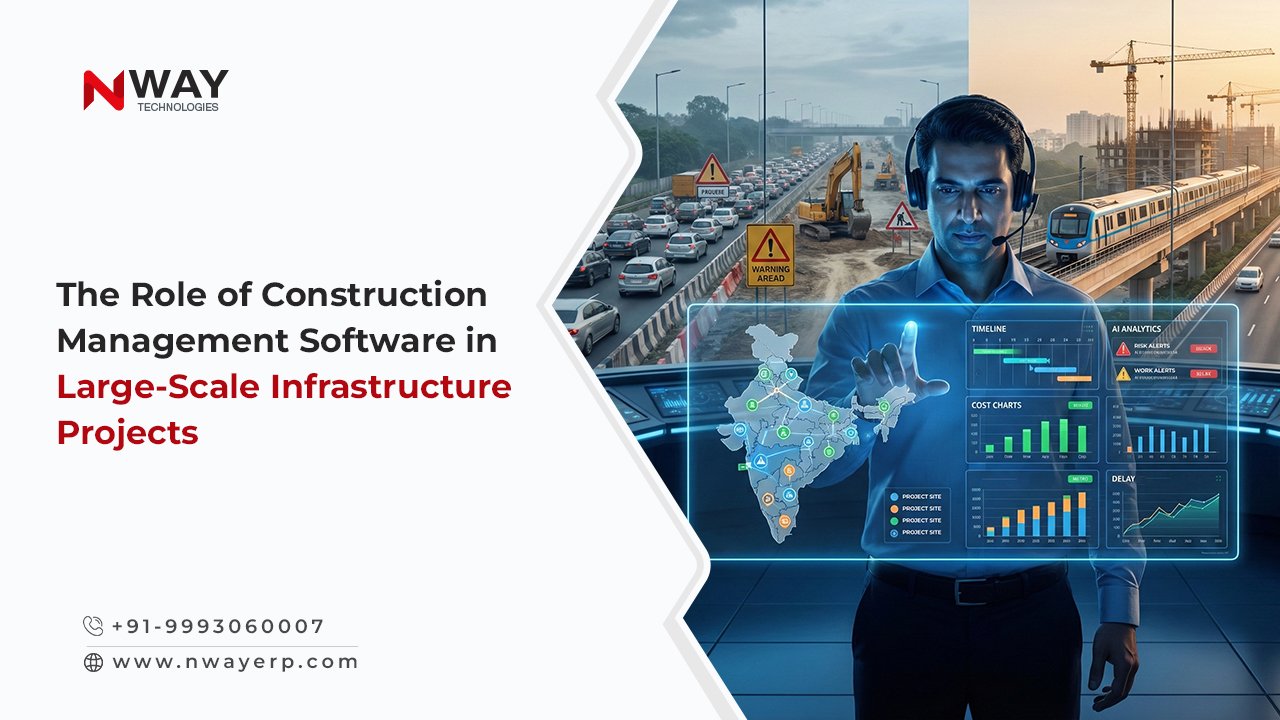
Large infrastructure projects in India are plagued by delays and cost overruns – for example, in April 2024, 448 central-sector projects reported a combined cost overrun of ₹5.55 lakh crore. Construction management software with robust planning, tracking, and AI‑powered analytics helps overcome these challenges. A platform like Nway ERP delivers real‑time, predictive, multi‑site visibility – turning complex projects into controlled, efficient operations.
Infrastructure development – roads, bridges, railways, power plants – demands precise coordination of materials, labour, timelines and budgets. However, for many projects, reality diverges sharply from plan. According to a 2024 report by Ministry of Statistics and Programme Implementation (MoSPI), 448 infrastructure projects (each ≥ ₹150 crore) reported cost overruns totalling ₹5.55 lakh crore, with many projects delayed by months or even years.
These systemic inefficiencies – fragmented data, delayed approvals, lack of real‑time visibility – often lead to rising costs, project delays, resource wastage, and reduced profitability. For contractors and infrastructure firms, such risks are unacceptable. The solution increasingly lies in adopting modern, integrated systems – what we call construction management software or infrastructure ERP software – to bring transparency, control and predictability.
Table of Contents:
- Key Challenges in Large-Scale Infrastructure Projects
- What Infrastructure Firms Should Look for in Construction Management Software
- What Often Goes Wrong: Mistakes Infrastructure Companies Make
- How AI-driven Nway ERP Makes a Difference
- Final Thoughts
Key Challenges in Large-Scale Infrastructure Projects
Large-scale projects bring complexity. Below are the core issues that repeatedly derail them – and why they are so damaging.
Scheduling Delays and Time Overruns
With multiple subcontractors, varying supply chains, and shifting site conditions, timelines often slip. MoSPI’s 2024 report shows many delayed projects have time overruns spanning 1–5 years. Delayed tasks multiply problems. For eg: a missed material delivery affects labour, equipment use, approvals, and eventually completion date and cash flow.
Cost Overruns and Budget Leakage
Untracked material wastage, repeated rework due to miscommunication, and unmonitored subcontractor expenses inflate costs. In the 2024 analysis, over 20% cost overrun relative to original budgets was observed across many large projects. Without accurate tracking and forecasting, firms frequently end up absorbing these unplanned expenses, reducing profit margins drastically.
Fragmented Data and Lack of Real-Time Visibility
Often, project data lives in scattered spreadsheets, site-level logs, or separate accounting systems. This fragmentation hampers coordination – procurement, labour, materials and finances run on independent tracks. Decisions are reactive rather than proactive, increasing risk of delays and cost leaks.
Multi-Site Complexity and Coordination Challenges
Firms working across multiple sites simultaneously find it difficult to get consolidated oversight. Variations in project scope, materials, labour and timelines make manual consolidation unreliable – coordination breakdowns are frequent, leading to inefficiencies, misallocation, and compliance risks.
Understanding these challenges is the first step. The next is knowing what to look for in a software solution that can address them.
What Infrastructure Firms Should Look for in Construction Management Software
Choosing the right software is not about features alone – it’s about solving real project problems. Here are the evaluation criteria that matter, and why-
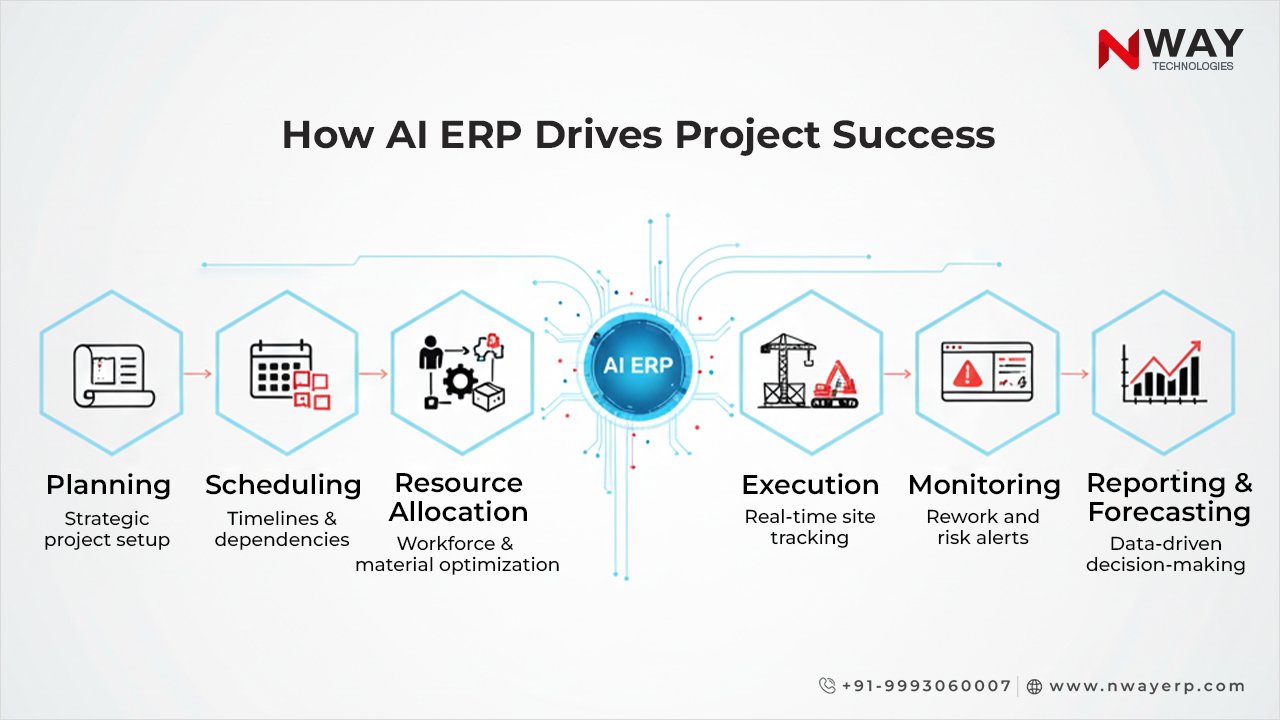
Integrated Planning, Scheduling & Tracking
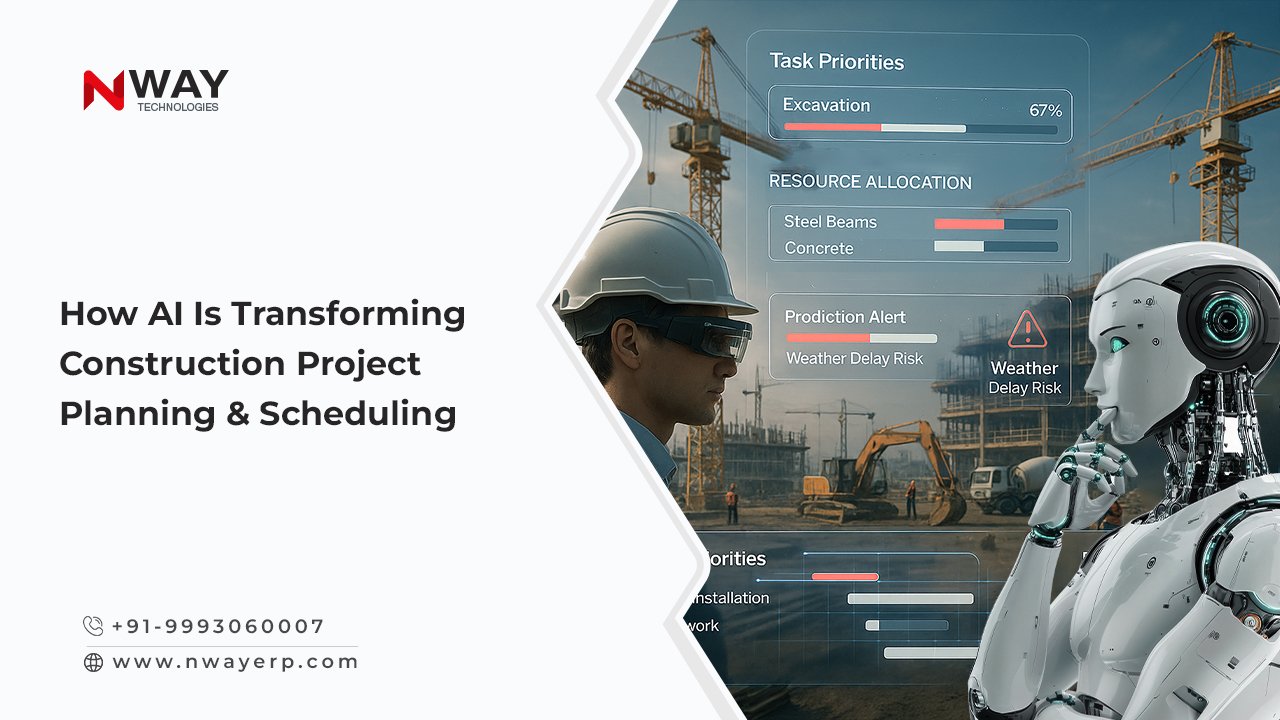
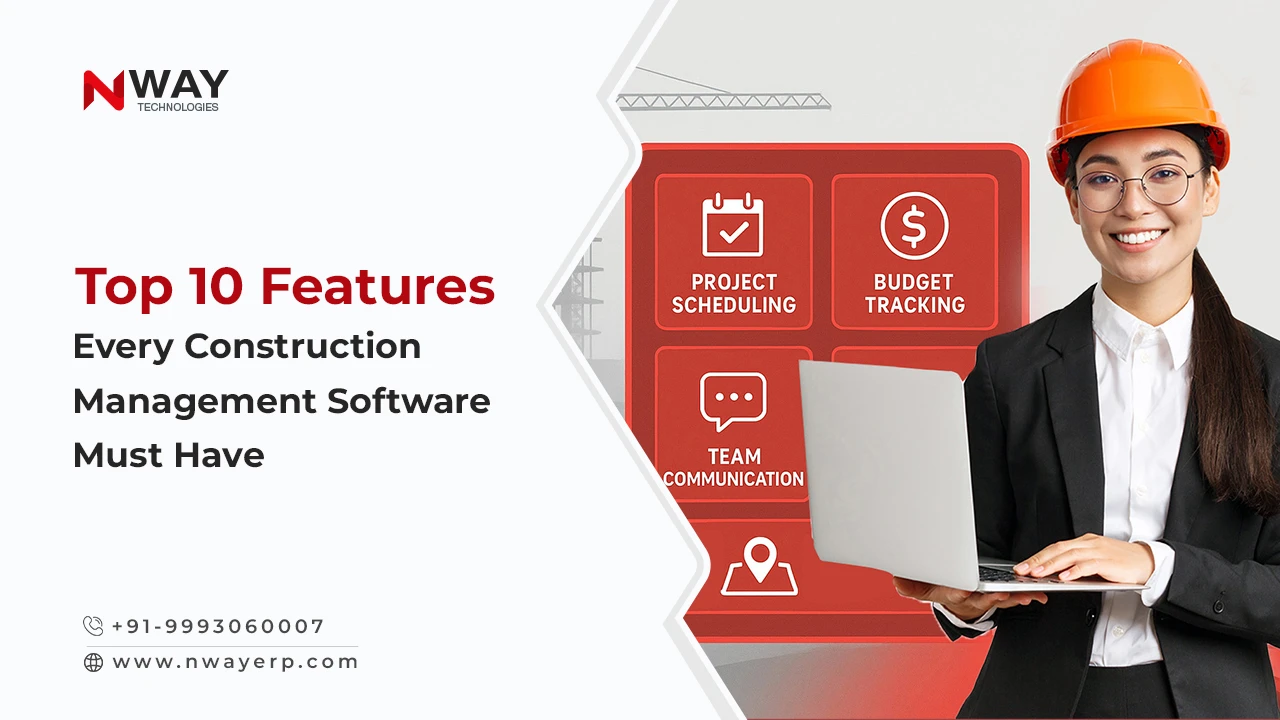
The software should support project scheduling – Gantt charts, task dependencies, milestone tracking – and update dynamically as realities shift on site. This ensures that delays in one area (material delivery, approvals) reflect across schedule and resources, alerting managers early.
Unified Material & Inventory Management
Materials are perhaps the single biggest cost center in infrastructure projects. The tool should track procurement, transport, receipt (e.g. weighbridge integration), consumption and wastage across all sites. This reduces over-ordering, theft or loss, and ensures precise cost tracking.
Real-Time Multi-Site Dashboard & Reporting
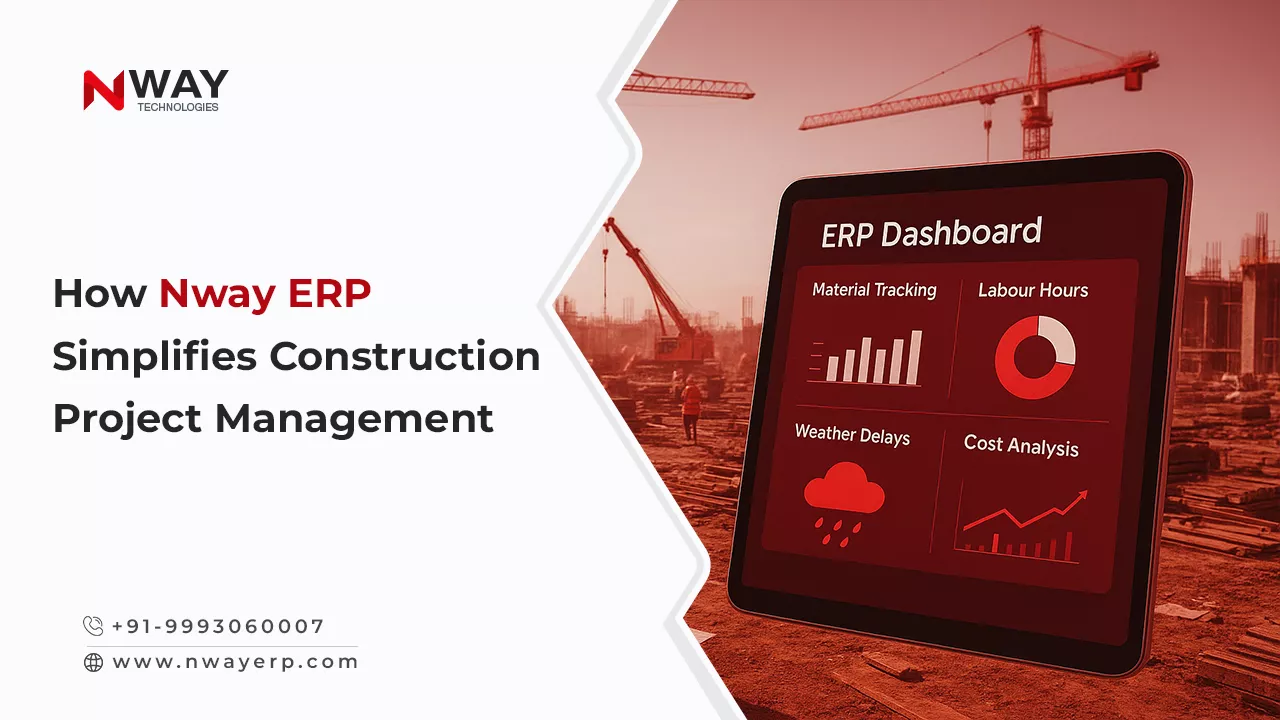
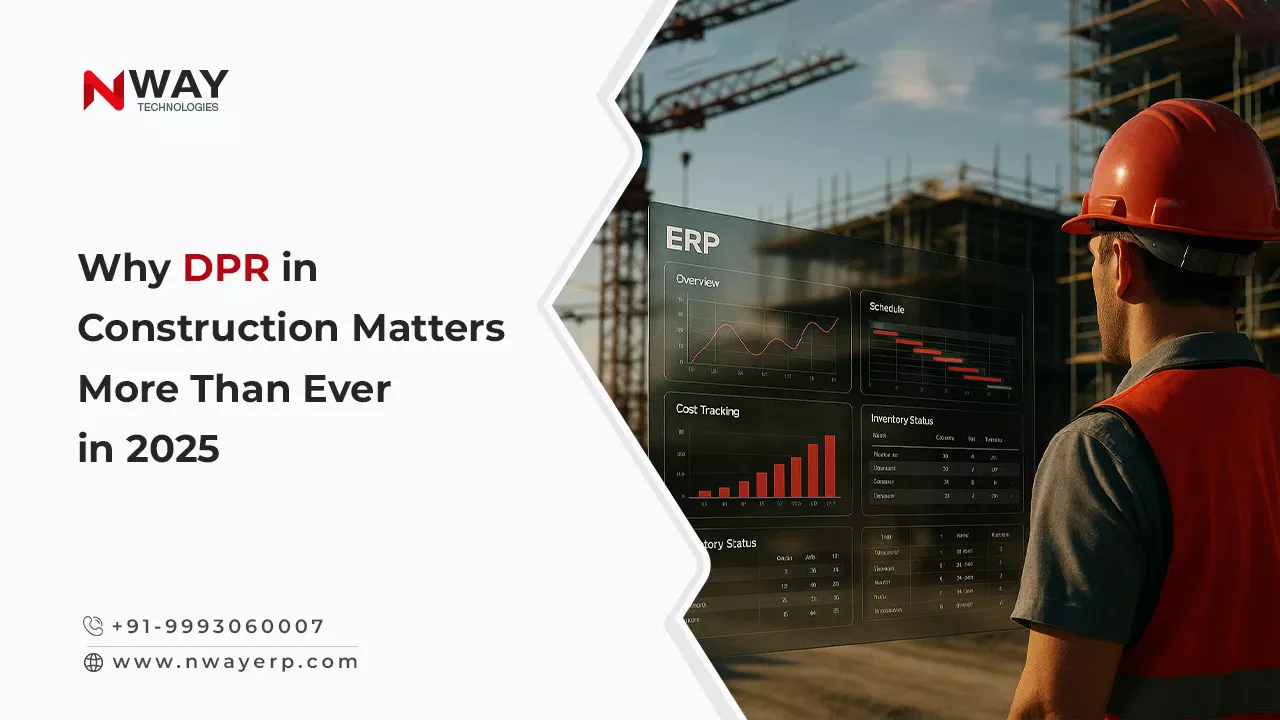
For firms managing several projects, the ability to view all site statuses in one dashboard – material status, labour deployment, expenses, progress – is critical. This consolidated visibility enables balanced resource allocation, prevents bottlenecks, and helps compare performance across sites.
Predictive Analytics & Forecasting
Beyond record-keeping, the software should analyse historical and ongoing data to forecast risks- delays, cost overruns, material shortages, cash-flow stress. Predictive insights enable proactive mitigation.
Turn Delays and Cost Overruns Into Predictable Outcomes
Large infra work demands predictability. Nway ERP gives it to you with AI-driven insights and site-level accuracy.
Scalability and Flexibility for Different Project Types
Whether the firm undertakes roadwork, bridge construction, railway projects, or mining-related infrastructure – the software must adapt to varying workflows, material types, compliance needs and documentation requirements.
Choosing a tool without all these capabilities is like having a calculator for a building – it helps, but won’t ensure the structure stands.
What Often Goes Wrong: Mistakes Infrastructure Companies Make
Even when firms invest in software, outcomes under-deliver. Common mistakes include:
Treating software as a digital ledger only – using CMS or ERP merely for record-keeping rather than leveraging analytics and forecasting, losing the chance to control future risks.
Relying on multiple disconnected systems – using different tools for accounting, material tracking, HR and project scheduling, which recreates silos inside software.
Neglecting material and transport validation (e.g. weighbridge, delivery logs) – resulting in unverified deliveries, misuse or loss of material, and billing discrepancies.
Failing to enforce real-time data entry across sites – leading to stale data, delayed reports, and unrealistic project views.
Not leveraging cross-site dashboards for resource balancing – resulting in some sites being overstaffed/material stocked while others lag or starve – causing wastage and inefficiency.
These mistakes amplify risks – leading to repeated rework, inflated budgets, delayed deliveries, and declining trust from clients or stakeholders.
How AI-driven Nway ERP Makes a Difference
For firms ready to level up, Nway’s AI-enabled infrastructure ERP software offers more than automation – it offers intelligent, outcome-driven control.
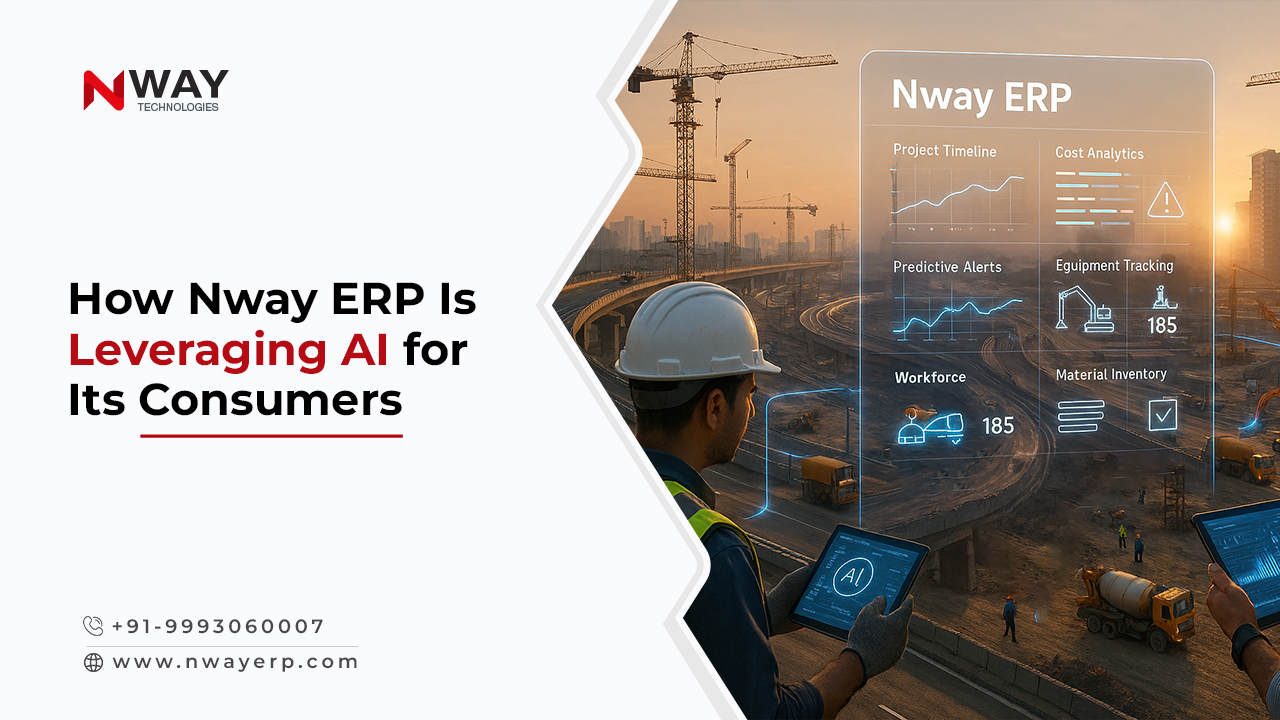
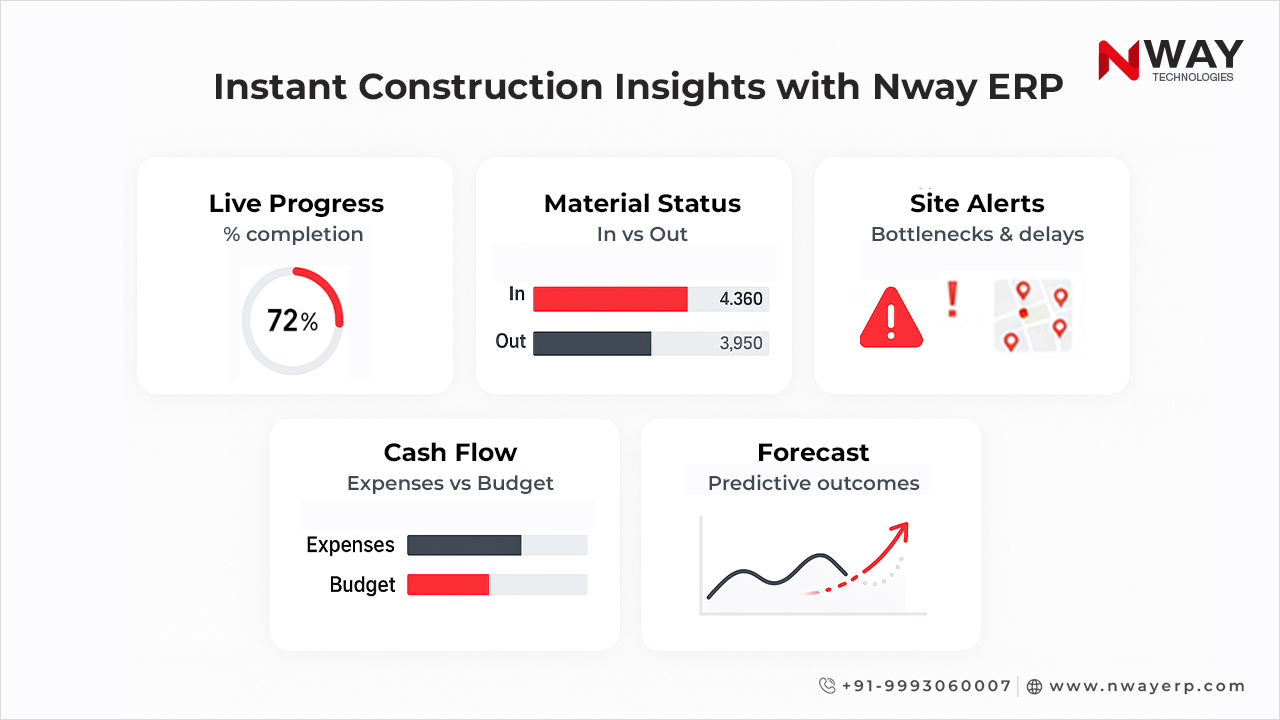
Its AI assistant analyses project data across sites – materials, labour, costs, schedule, and surfaces predictive alerts: risk of cost overrun, upcoming material shortage or labour bottlenecks. This helps managers act proactively, not reactively.
The integrated Smart Entry AI reduces manual data entry errors by automatically logging vendor bills, receipts, GRNs, material issues – ensuring financial and operational data is accurate and up to date.
With built-in Weighbridge AI, material deliveries are automatically validated – enabling accurate inventory tracking, preventing fraud or misuse, and linking material receipt directly to cost & budget control.
The system’s multi-site dashboard gives a consolidated view of all active projects, enabling resource balancing, financial oversight, and project comparison – essential for firms with multiple infrastructure works at different sites.
The result is significant: fewer reworks, reduced wastage, better cash-flow visibility, disciplined budgeting, and more predictable project delivery. The software doesn’t just track operations – it transforms how decisions are made.
Final Thoughts
Infrastructure projects are inherently complex. Without the right systems, they remain vulnerable to delays, cost overruns, resource wastage, and project failures. Construction management software – particularly AI-driven infrastructure ERP – offers a path to control, predictability, and efficiency.
For firms seeking full project oversight, resource optimization, and risk-proof execution, adopting a mature ERP like Nway ERP can make the difference between reactive trouble-shooting and proactive project success.
Stay ahead of risks, delays, and cost deviations.
Nway’s AI Assistant delivers instant reports, smart predictions, and on-ground visibility that helps you act before problems escalate.