Introduction
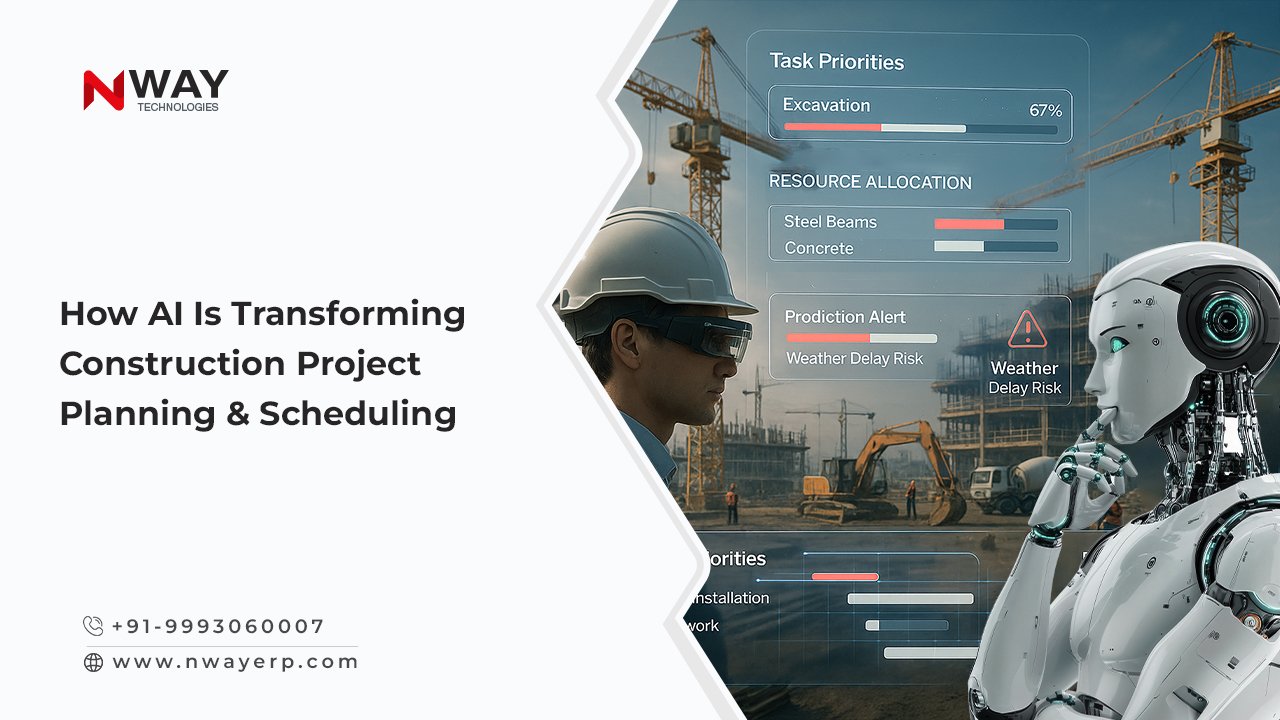
AI in construction project planning and scheduling is now delivering real-time resource optimization, predictive delay alerts, and tighter cost control. Firms using AI-powered construction management software report improved scheduling accuracy, reduced rework costs, and faster decision cycles – making AI in construction scheduling a strategic necessity in 2026.
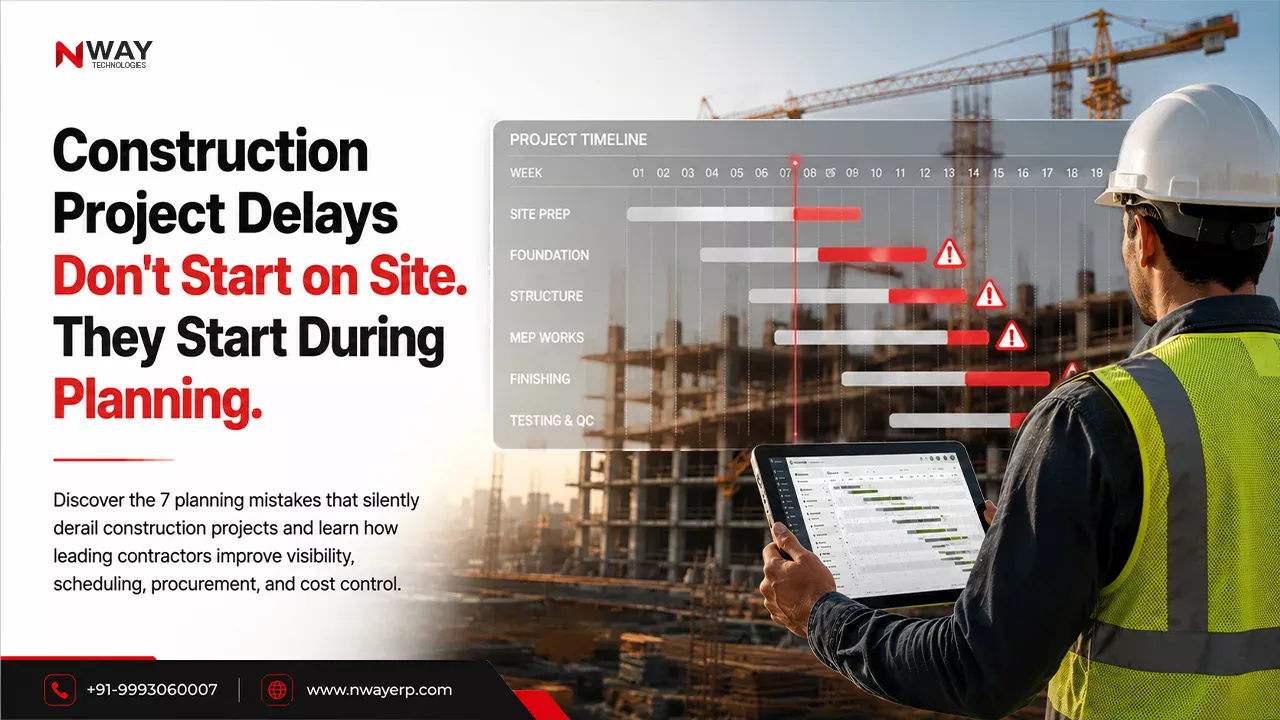
Construction projects in 2026 will be more complex than ever: multiple sites, tight deadlines, rising material costs, and regulatory demands. Traditional scheduling methods – spreadsheets or basic ERP – will struggle to keep up, leading to delays, budget overruns, and wastage. By adopting AI in construction project planning and AI-powered construction management, construction companies gain a unified, intelligent platform. This approach brings high-fidelity forecasting, real-time scheduling adjustments, and automated data integration. For contractors and project managers focused on efficiency and predictability, AI-driven scheduling is no longer optional – it is essential.
Table of Contents:
- Why Traditional Planning Often Fails
- How AI Transforms Planning & Scheduling in Construction
- What Construction Companies Should Watch Out For (And How to Avoid Mistakes)
- Nway ERP: AI-Driven Scheduling & Planning That Delivers
Why Traditional Planning Often Fails
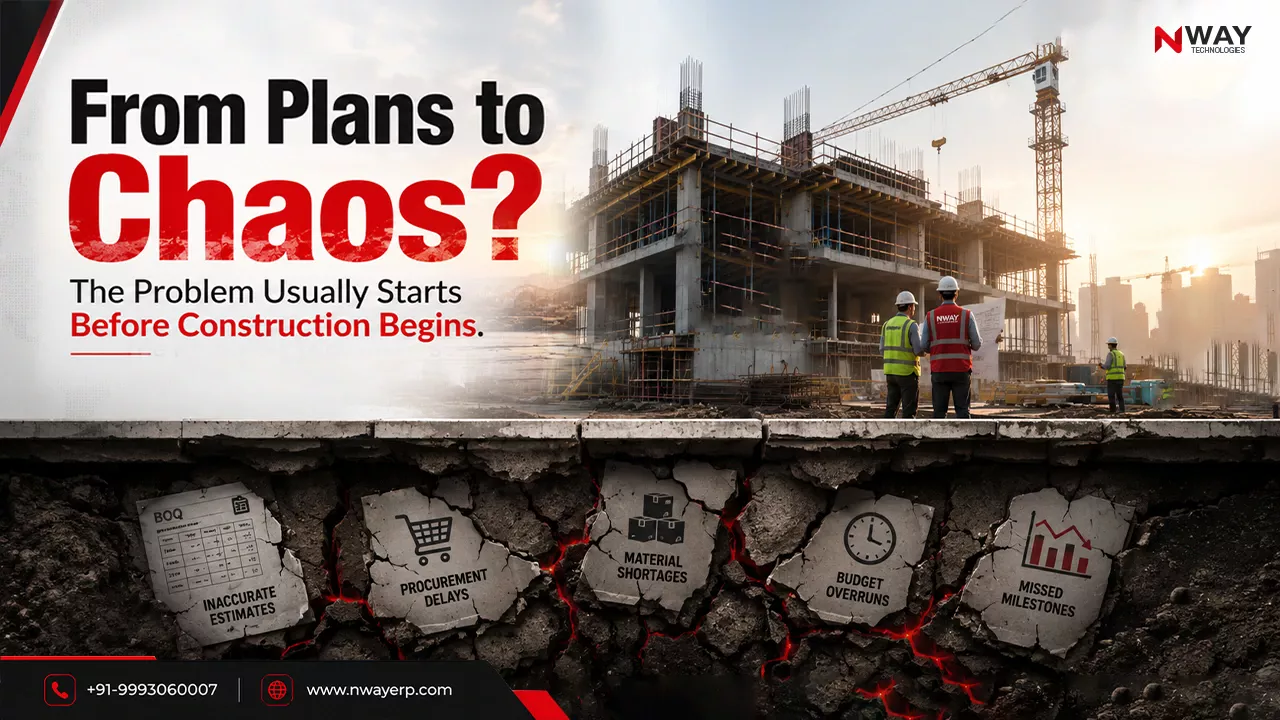
Large construction projects regularly face these recurring issues:
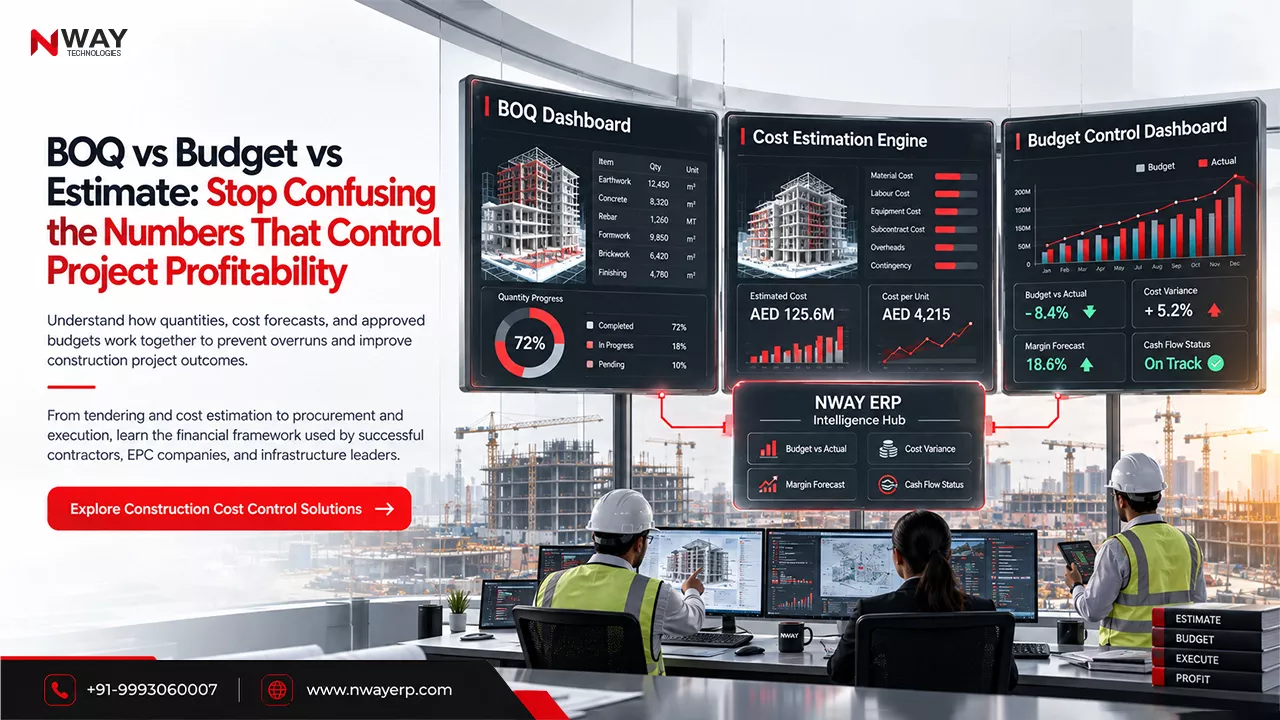
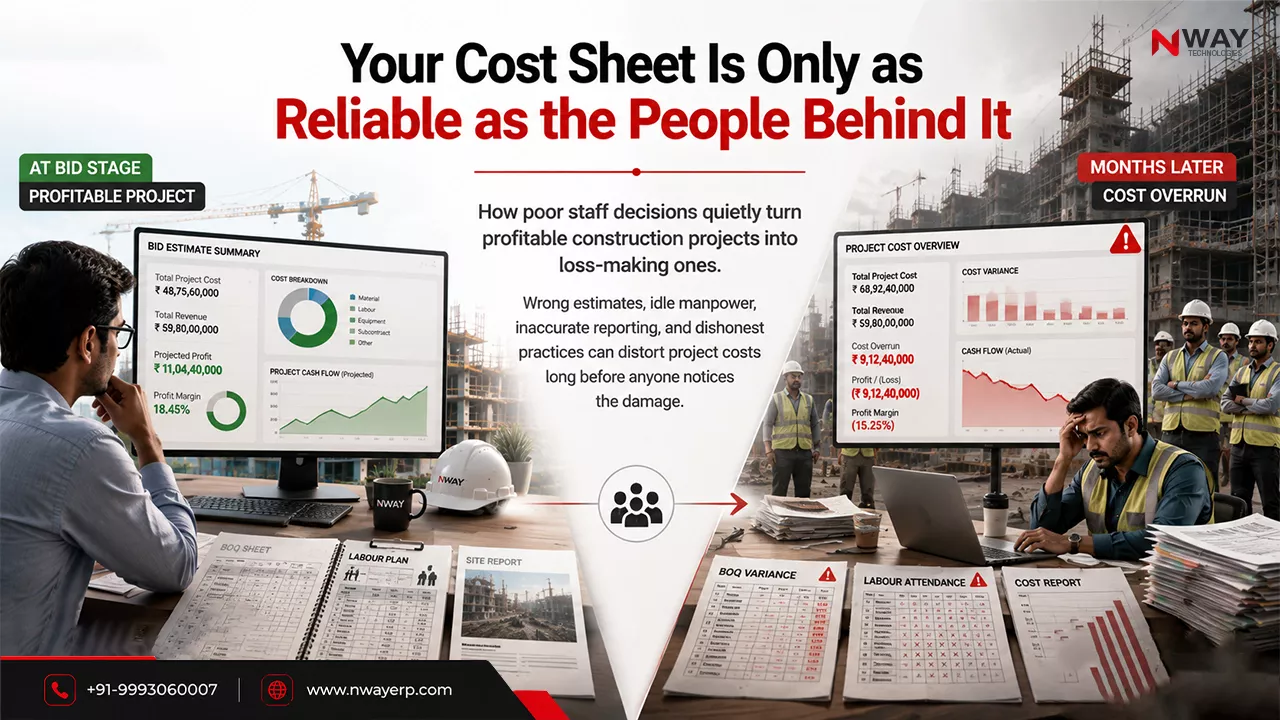
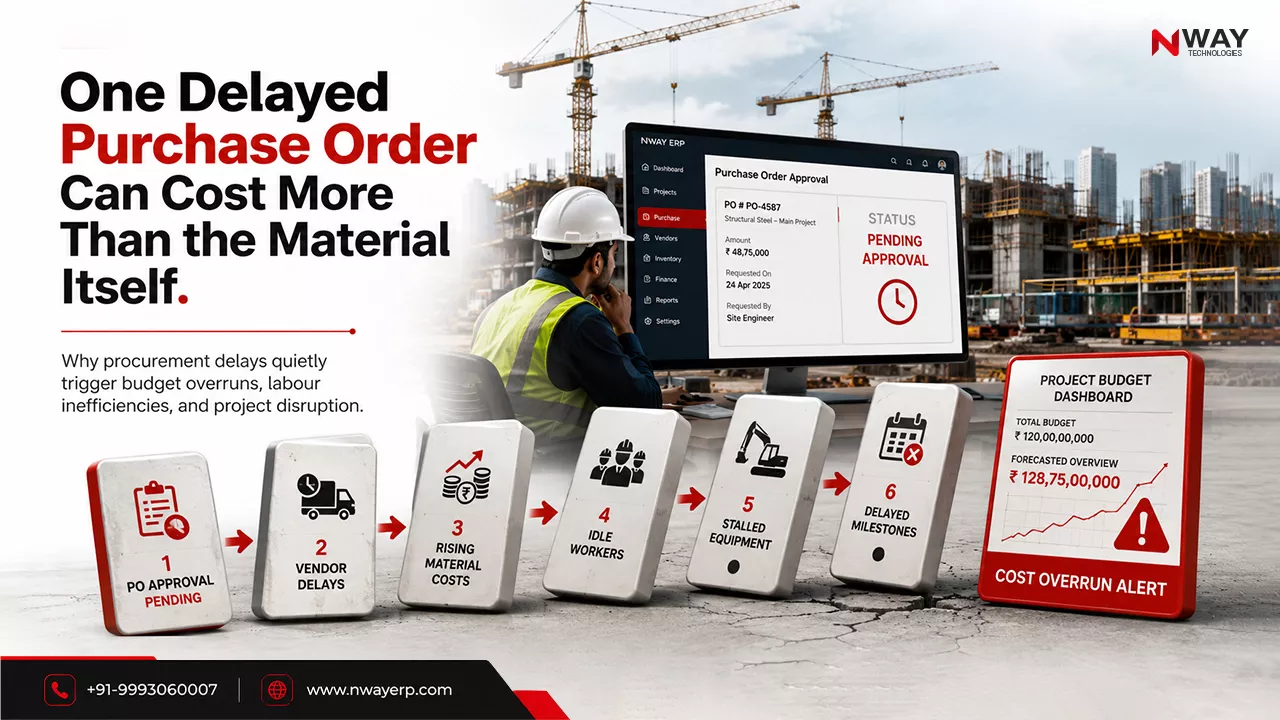
Inaccurate forecasting and cost overruns :
Construction rework studies show that rework alone can account for 5–10% of total project costs.
Delays due to poor coordination :
Multiple trades, material deliveries, labour shifts, and site constraints make static scheduling fragile.
Fragmented data and manual workflows :
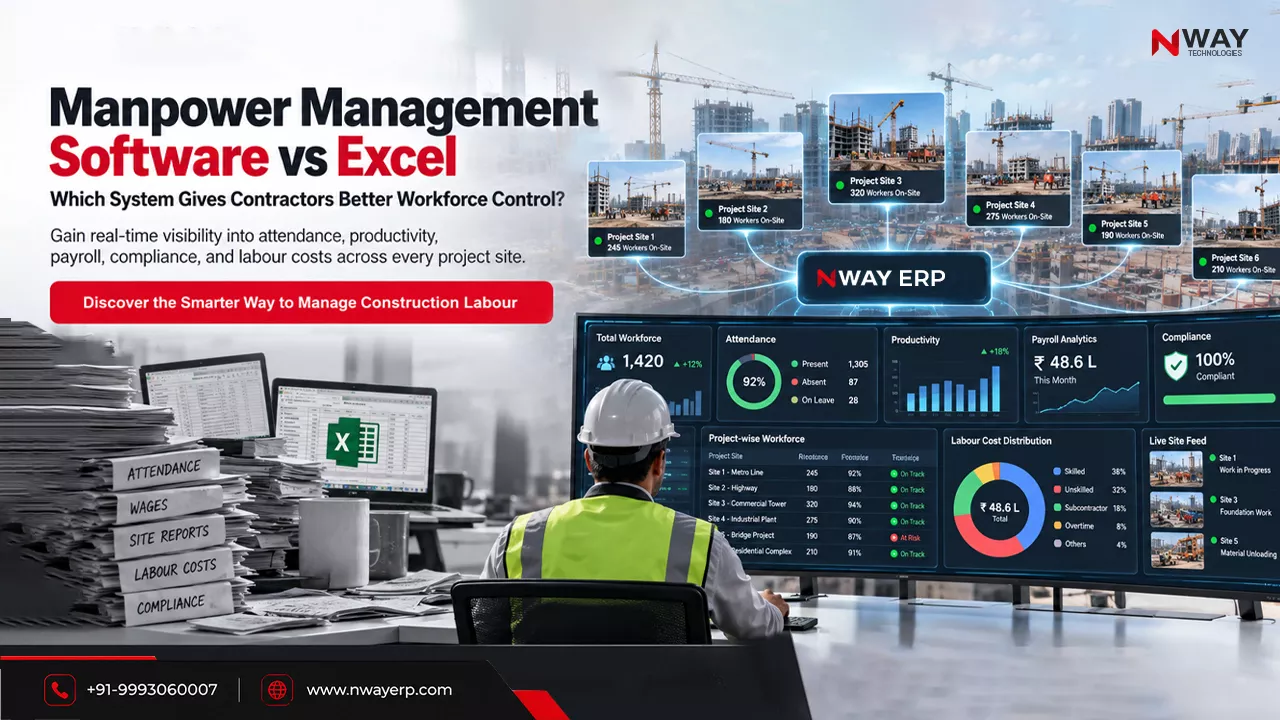
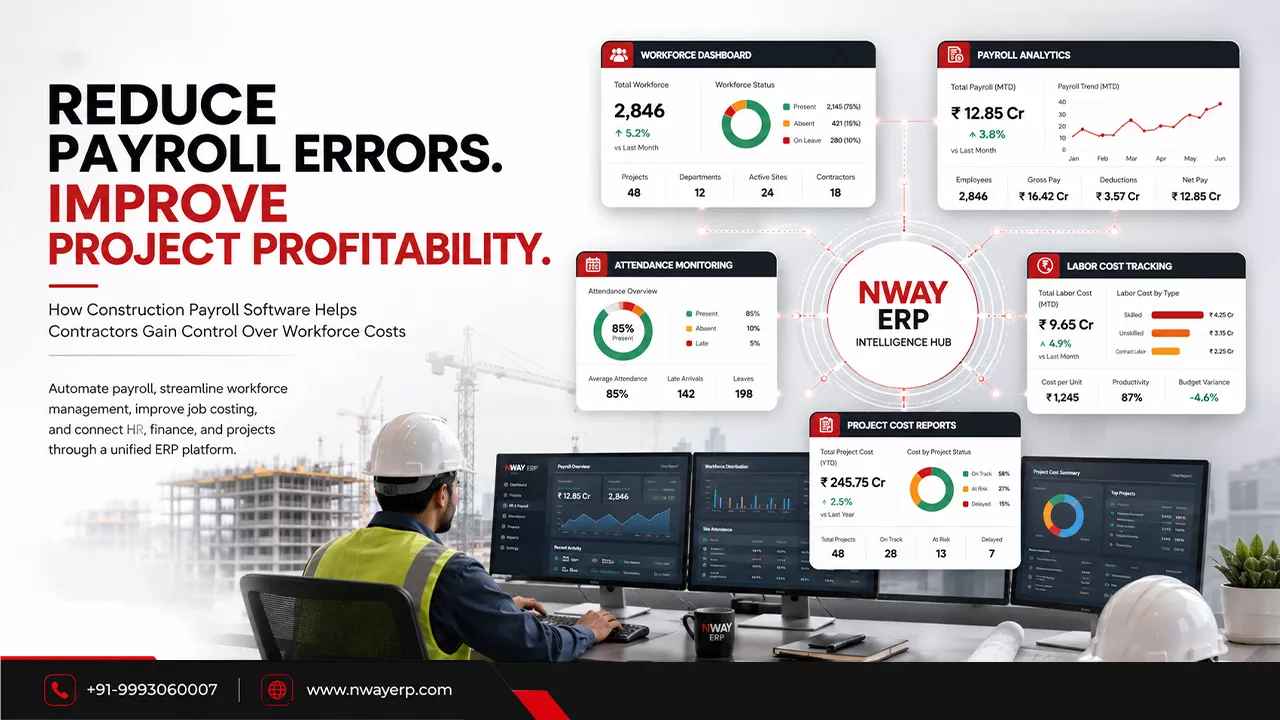
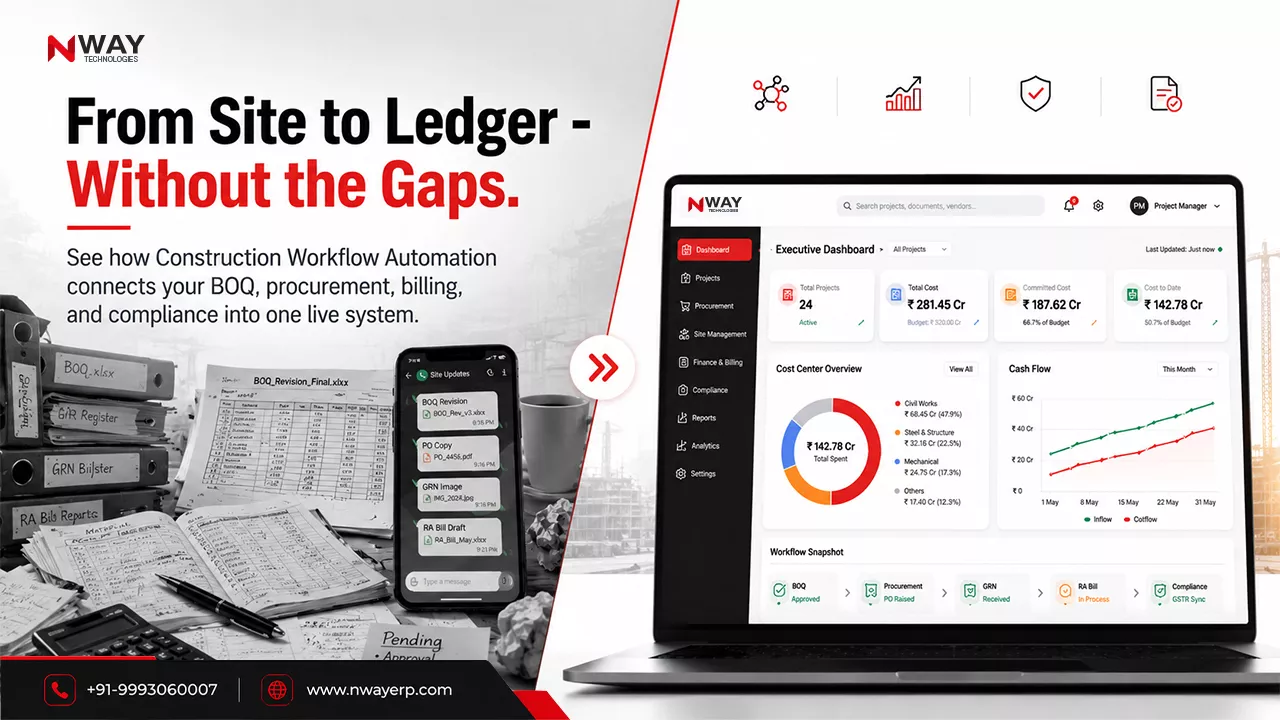
Disconnected spreadsheets, delayed updates, and inconsistent documentation hamper visibility and decision-making.
Reactive management :
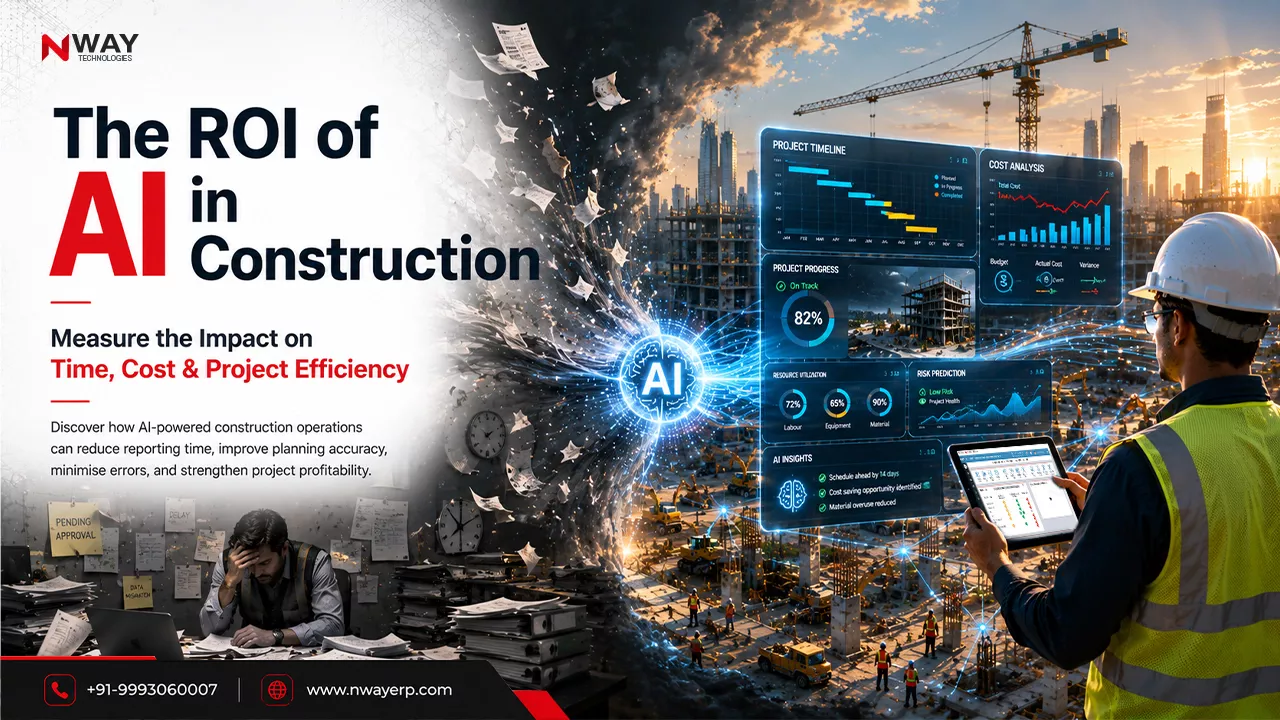
Without predictive insight, teams respond to crises rather than preventing them, causing avoidable time and cost losses.
These failings are especially costly now – material inflation, labour-cost pressures, and tighter margins demand exact timing and coordination.
How AI Transforms Planning & Scheduling in Construction
AI-powered construction project management software brings a new level of precision and adaptability. Key advantages include:
Dynamic Scheduling & Optimization
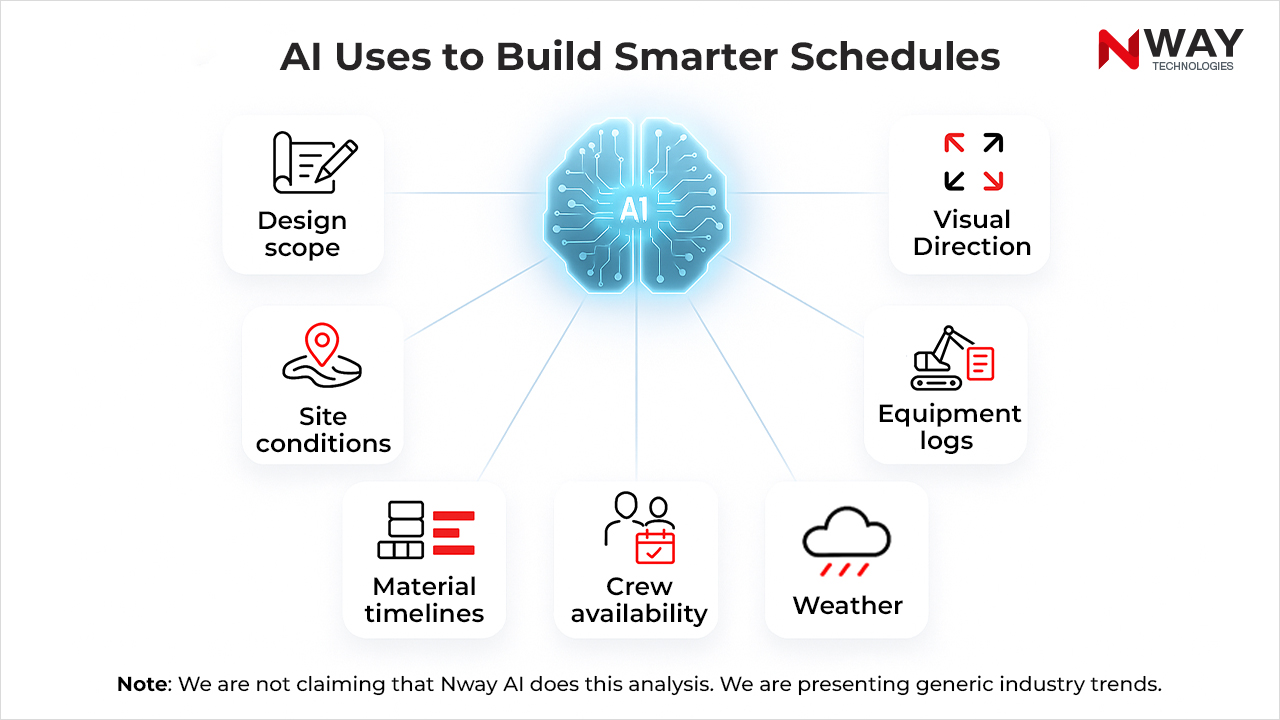
I tools analyze multiple variables – labour availability, material delivery times, equipment readiness, site constraints – and generate optimized schedules. The system can re-calculate plans automatically when input changes (e.g., a delayed delivery or labour shortage). This reduces idle time and prevents cascading delays.
Predictive Forecasting for Resources and Risks
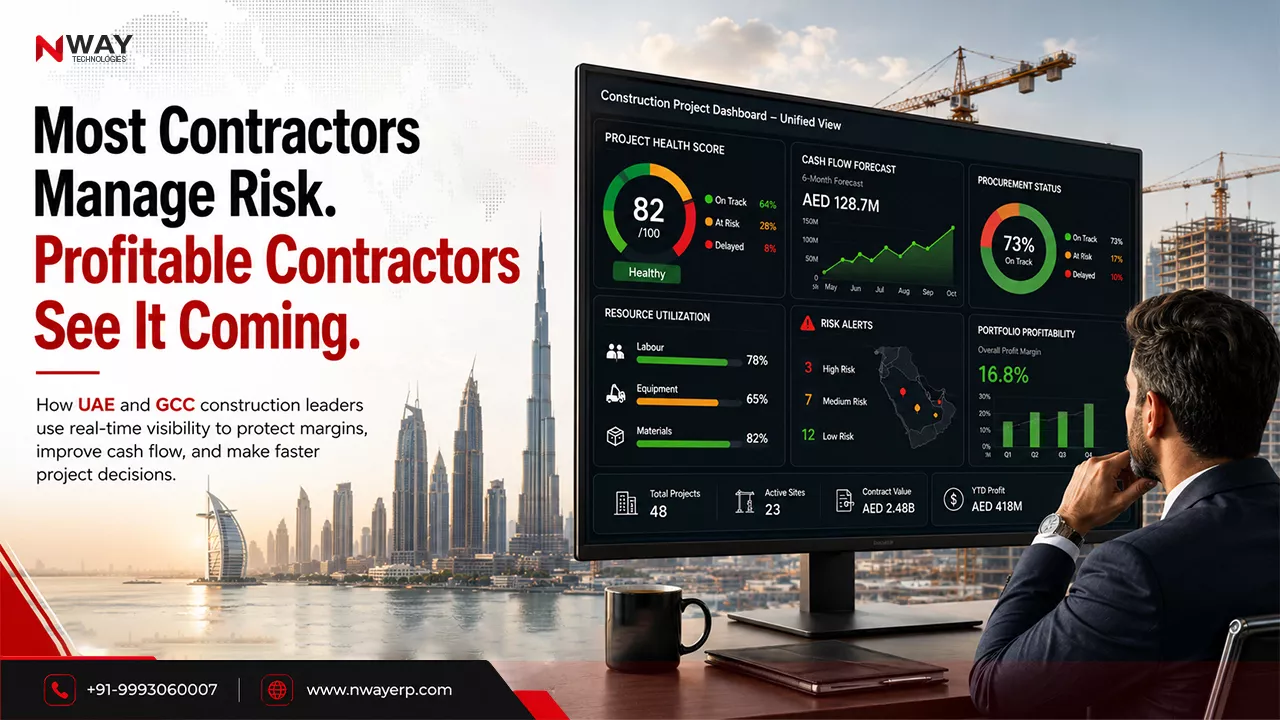
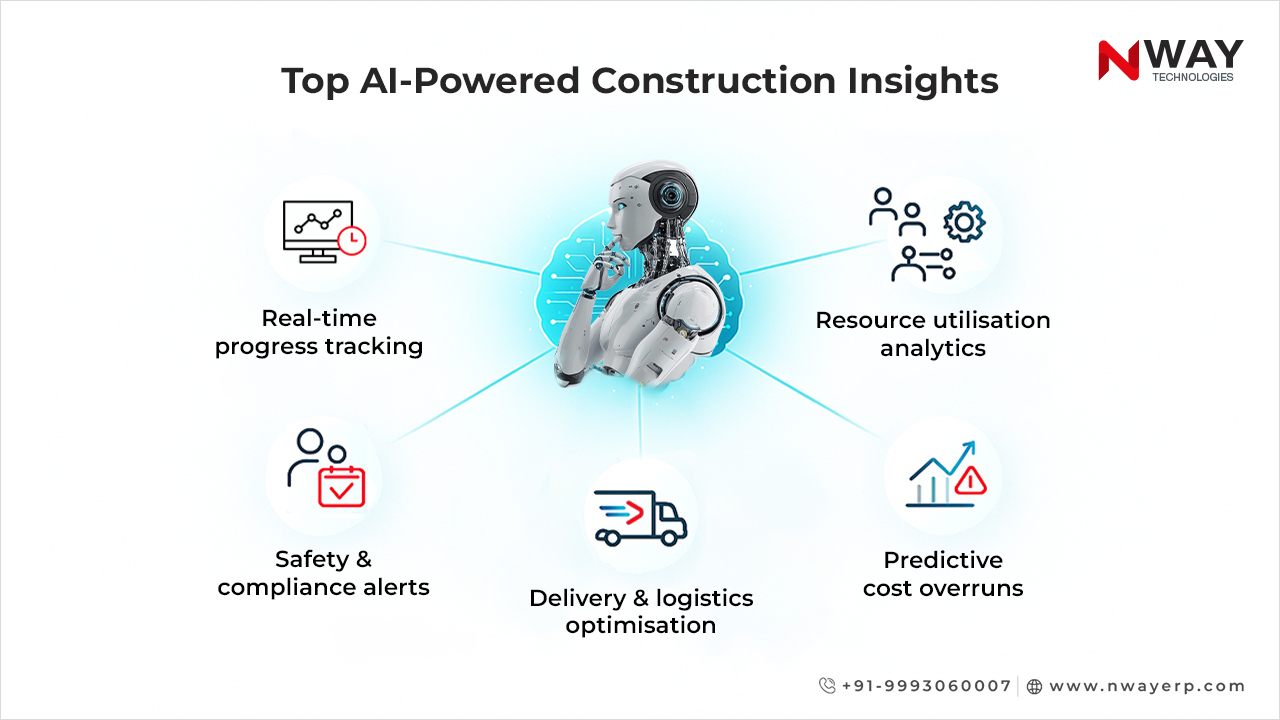
By learning from past project data and current intel, AI estimates future resource needs, equipment usage, and potential bottlenecks. It alerts managers early about likely cost overruns, labour shortages or scheduling conflicts, enabling proactive mitigation. According to a 2025 industry report, firms using AI for resource allocation and scheduling saw better cost-estimation accuracy and material-logistics performance.
Real-Time Data Integration Across Modules
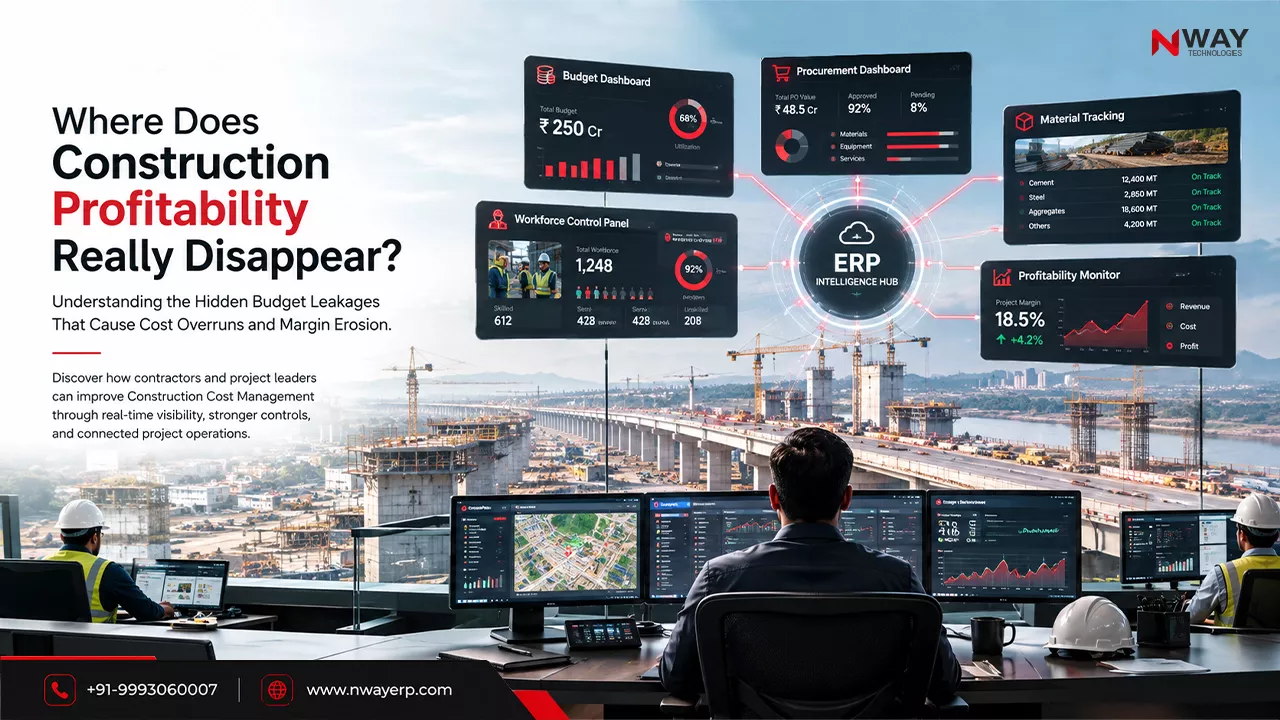
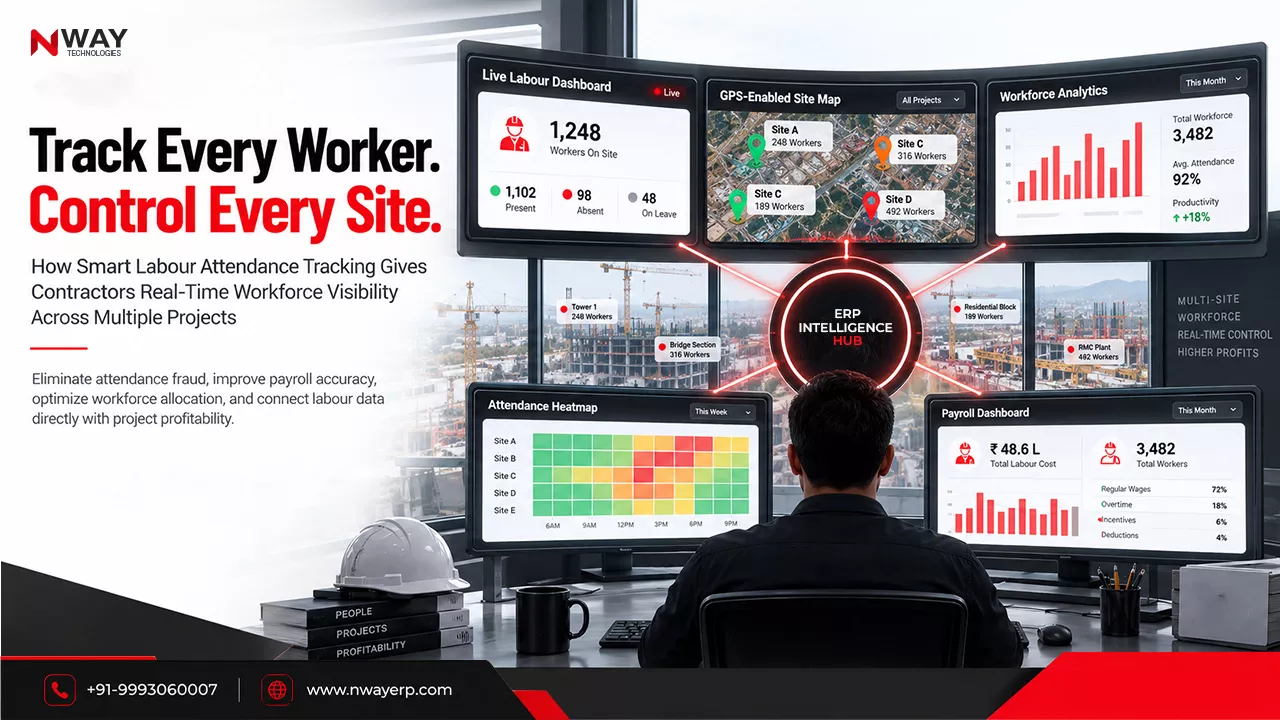
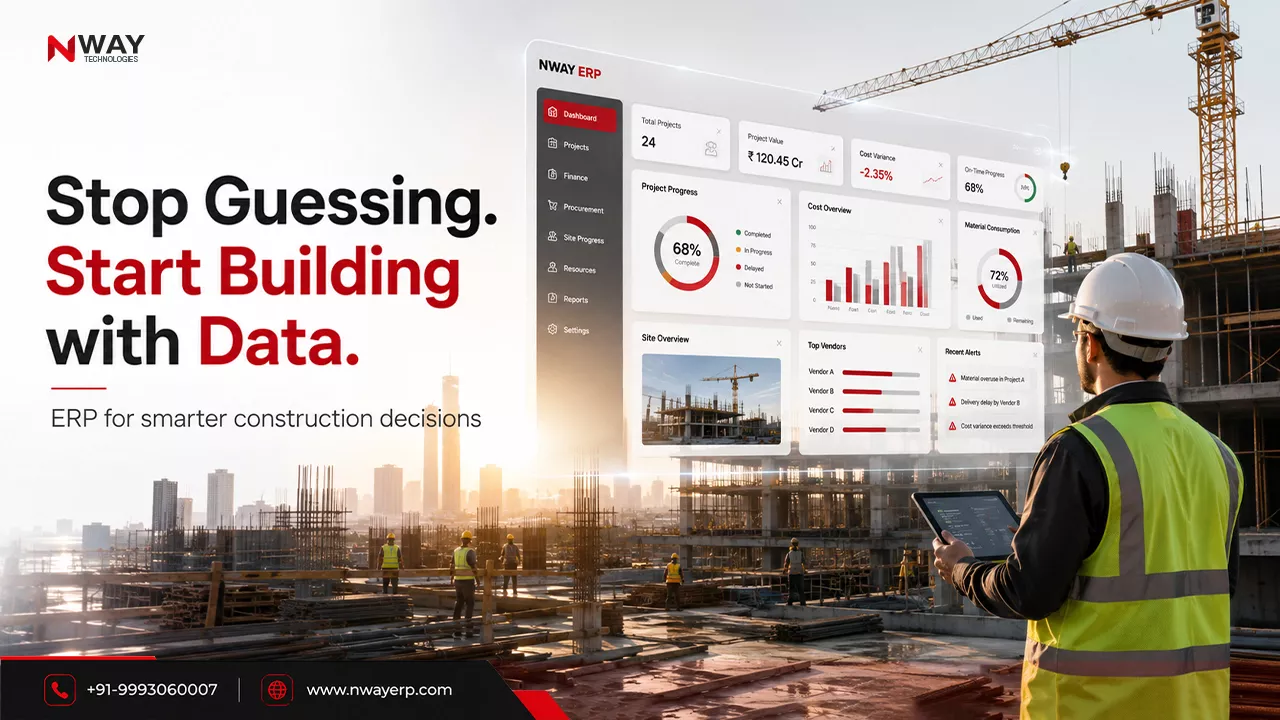
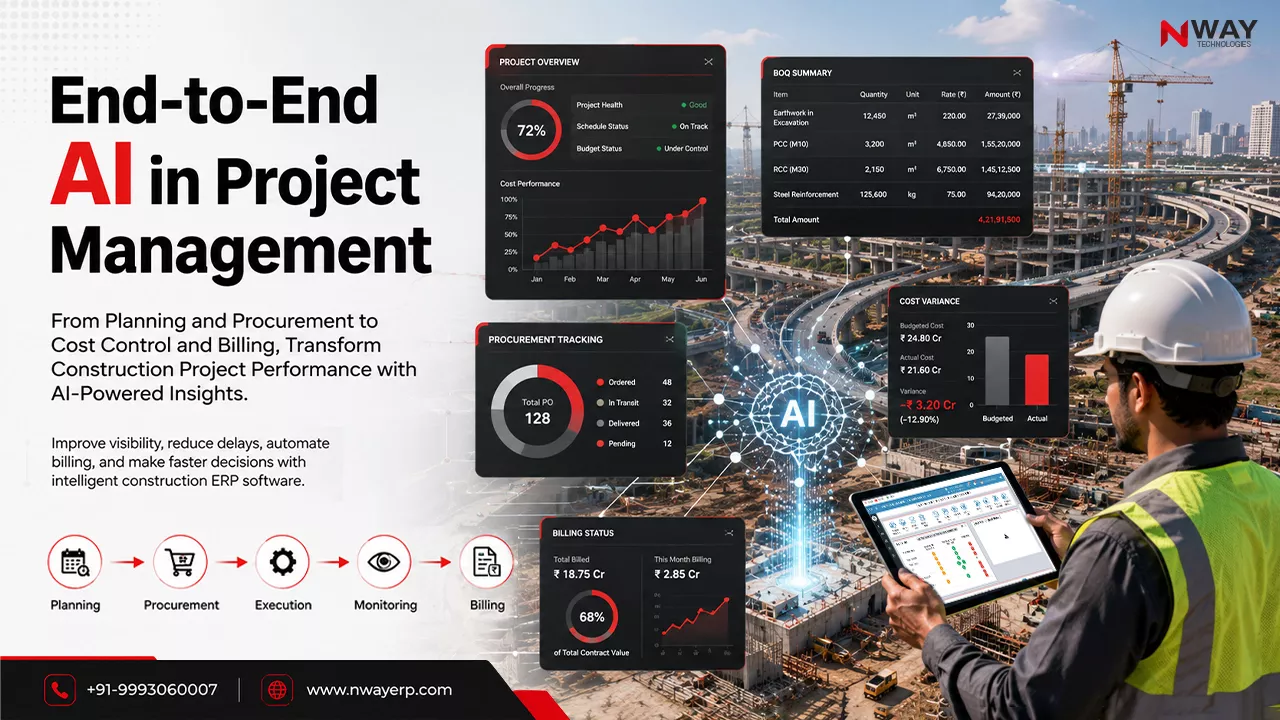
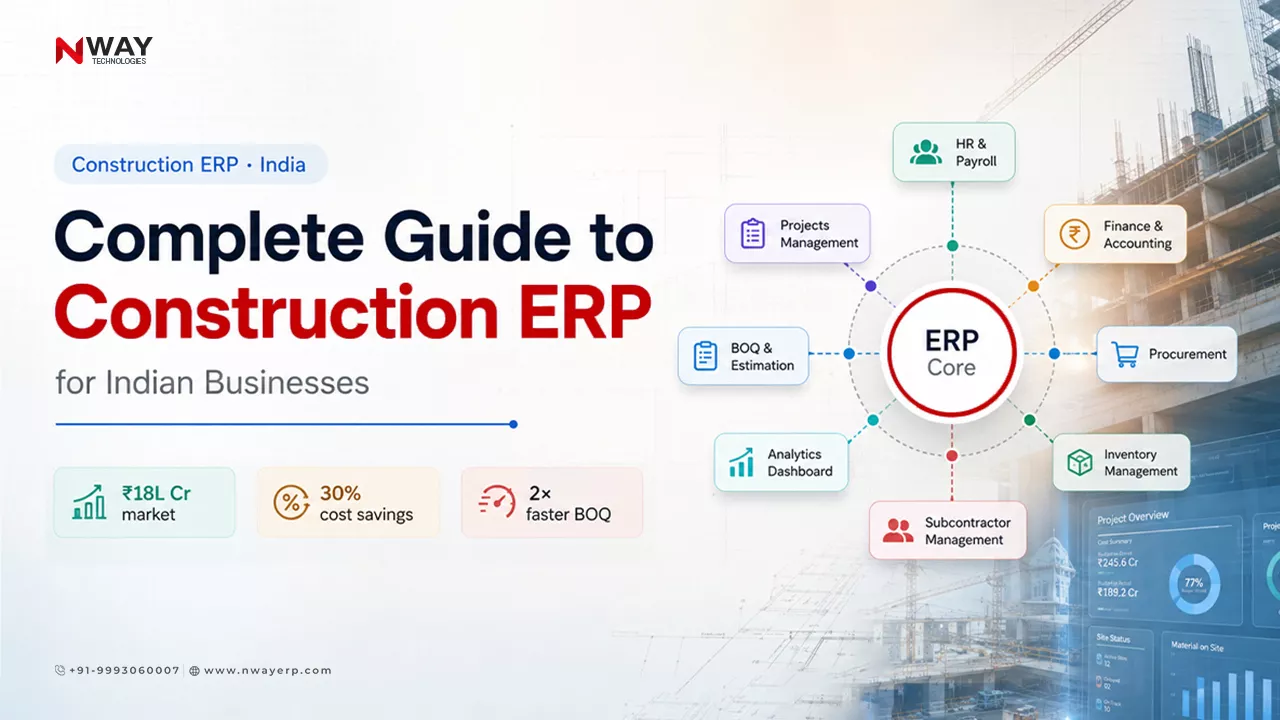
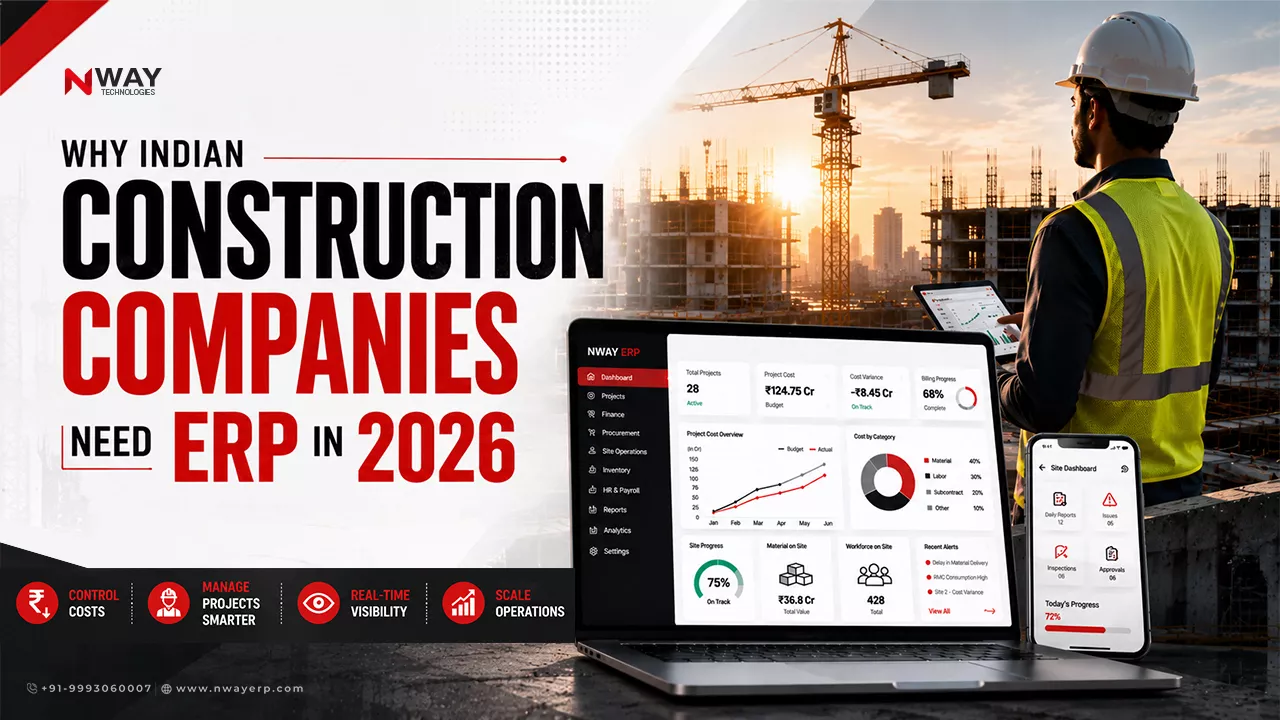
AI-enabled systems integrate procurement, materials, labour, site progress, and financial data into a unified dashboard. This consolidated view ensures decisions are based on complete, current information – not delayed reports or fragmented spreadsheets.
Reduced Rework and Wastage
With better forecasting and tighter resource tracking, projects see fewer errors, less material over-ordering, and minimized rework. Given that rework contributes significantly to project cost inflation, this benefit translates into real savings.
Faster Planning Cycles and More Accurate Timelines
AI speeds up schedule creation and enables scenario-based “what-if” analysis – for example: what if equipment is delayed, or weather disrupts work? This flexibility allows planners to build more realistic timelines and respond quickly to changes.
Because of these benefits, many contractors and developers now treat AI in construction scheduling as a competitive necessity.
See how AI-Powered Nway ERP can help optimize construction schedules in real time.
What Construction Companies Should Watch Out For (And How to Avoid Mistakes)
Adopting AI-powered planning requires attention to a few critical factors:
Data Quality and Organization –
AI only works when fed clean and structured data. Poor historical records or disconnected data sources will limit AI’s effectiveness.
Proper Integration Across Modules –
For full benefit, scheduling, procurement, labour, finance, and reporting modules must be tightly integrated. Disjointed modules lead to data gaps and reduced predictiveness.
Change Management and Training –
Teams need to adapt workflows: enter real-time data, update progress on time, and trust AI-led insights. Without discipline, benefits can be lost.
Realistic Expectations –
AI amplifies planning and improves predictability, but it does not eliminate all risk. It gives visibility and guidance – human judgment remains essential.
Firms that address these points see significantly higher ROI from AI adoption.
Nway ERP: AI-Driven Scheduling & Planning That Delivers
For contractors and infrastructure companies seeking a robust, enterprise-grade solution, Nway ERP offers an AI-powered construction management platform designed for real-world complexity. Here’s how it delivers value:
AI-Backed Scheduling & Resource Forecasting :
Nway analyzes past project data, current site conditions, equipment logs, and labour availability to generate optimized schedules. When site conditions change – delayed deliveries, labour shortfall — the system recalibrates timelines and resource allocations, reducing idle time and preventing delays.
Unified Data Across All Sites & Modules :
Nway merges procurement, inventory, labour, finance, site progress, and equipment usage data in real time. A single dashboard lets decision-makers monitor multiple projects, compare performance, and make data-driven choices on the fly.
Cost Control & Waste Minimization :
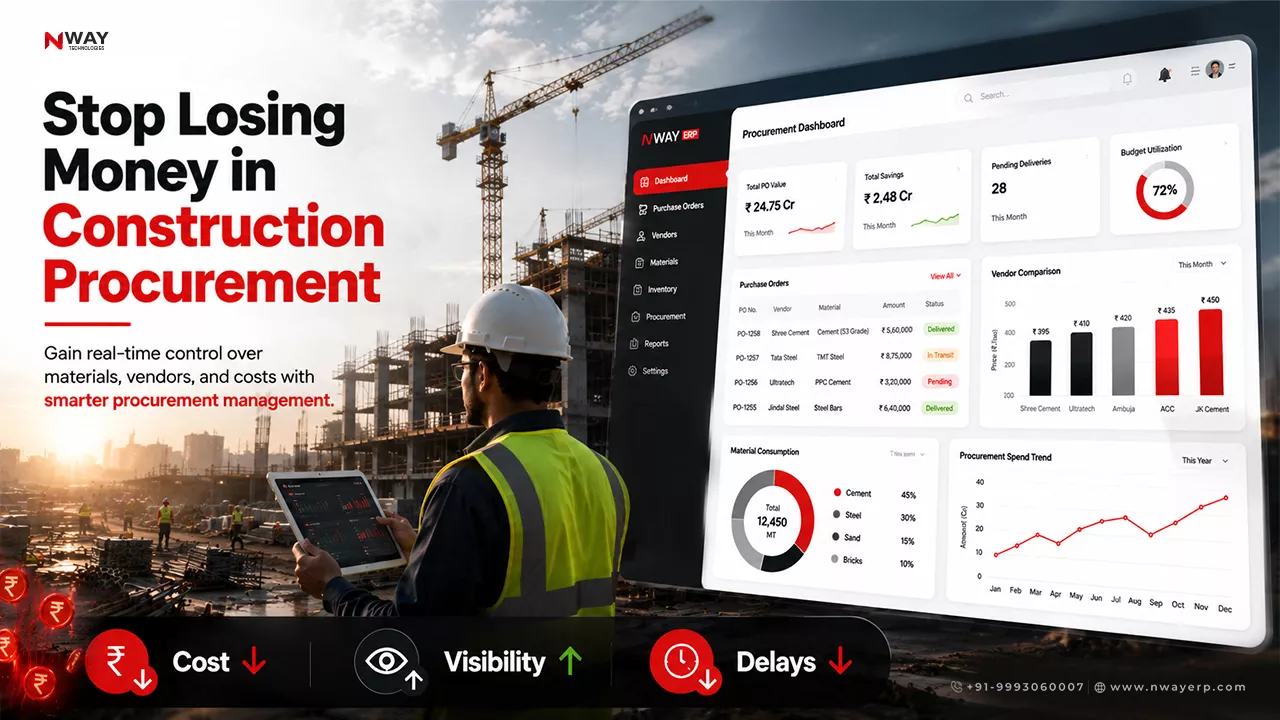
Through predictive material forecasting and accurate requisition tracking, Nway helps prevent over-ordering or stockouts. Reduced wastage and better inventory control keep costs in check.
Faster Planning Cycles and Proactive Risk Alerts :
With AI-generated schedules and scenario analysis, project managers can plan faster, test multiple what-if scenarios, and get early alerts for potential schedule or budget risks – enabling proactive mitigation.
Scalability for Multi-Site, Heavy Infrastructure Projects :
Whether it’s a single bridge project or multiple road-construction sites, Nway scales seamlessly – ensuring consistent workflows, data integrity, and operational control across the enterprise.
In 2025’s challenging environment – with rising costs, tight compliance, and demand for accountability, Nway ERP turns AI-powered construction scheduling from a novelty into a strategic advantage.
Final Thoughts
Traditional planning tools and manual workflows no longer meet the demands of modern infrastructure construction. AI in construction project planning and scheduling delivers what the industry needs most: accuracy, flexibility, foresight, and operational control. By combining predictive analytics, real-time data integration, and adaptive scheduling, AI-powered construction management software can cut delays, reduce rework, and improve profitability.
For firms serious about delivering projects on time, within budget, and with full control – Nway ERP offers the advanced AI-driven platform that brings all these capabilities together.